


Signs You May Have Panic Disorder (And What to Do Next)
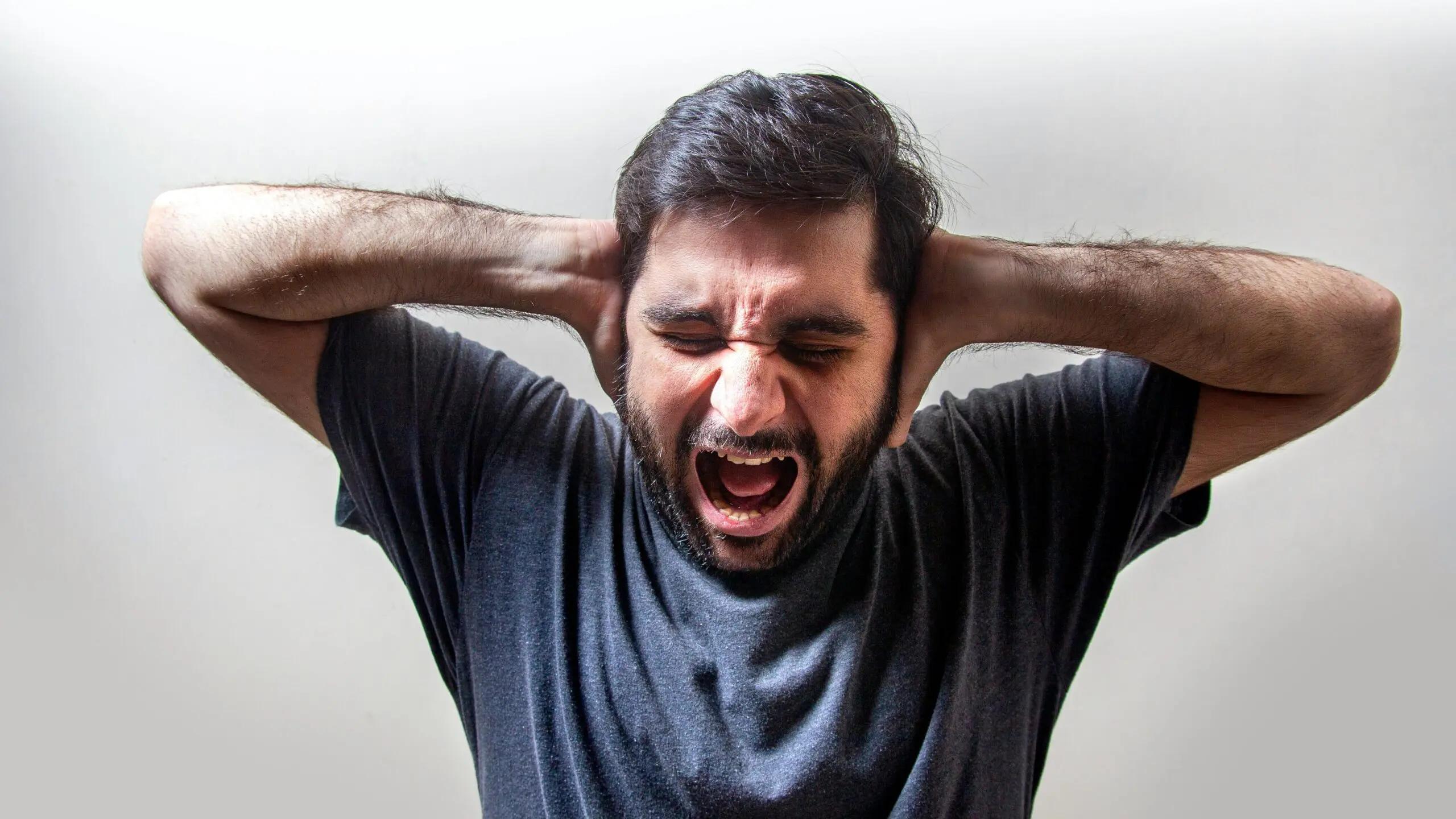
Panic disorder is a type of anxiety disorder characterized by sudden and repeated panic attacks that can feel overwhelming and frightening. Recognizing early signs is crucial for timely intervention. Understanding symptoms, triggers, and coping strategies can help individuals manage panic disorder effectively and improve their daily life, health, and emotional well-being.
Understanding Panic Disorder and Its Impact on Daily Life
Panic disorder is more than occasional anxiety. It involves sudden, intense bouts of fear or discomfort called panic attacks, which can last for several minutes. Individuals may feel heart palpitations, shortness of breath, dizziness, or a sense of losing control. Panic disorder can affect work, relationships, and social functioning, making it essential to recognize symptoms and seek timely support.
Common Physical Symptoms That May Indicate Panic Disorder
Physical symptoms often accompany panic attacks and may mimic serious medical conditions, causing further anxiety. Common signs include rapid heartbeat, sweating, trembling, chest pain, shortness of breath, chills, hot flashes, nausea, and dizziness. Experiencing these symptoms repeatedly, especially without a medical cause, may indicate panic disorder. Consulting a healthcare professional is important to rule out physical conditions.
Emotional and Psychological Signs to Watch For
Besides physical symptoms, panic disorder affects emotions and thoughts. Individuals may feel an intense sense of doom, fear of losing control, or fear of dying during attacks. Persistent worry about future attacks and avoidance of situations that might trigger them are also common. Recognizing these psychological patterns is essential for early detection and intervention.
Recognizing Behavioral Changes Associated with Panic Disorder
Behavioral changes often follow repeated panic attacks. People may begin avoiding crowded places, driving, or public transport to prevent potential attacks. This avoidance can lead to isolation, disrupting work, social life, and relationships. Early awareness of these behaviors is key, as prolonged avoidance can worsen anxiety and contribute to agoraphobia or other anxiety-related conditions.
Triggers and Patterns That Can Indicate a Panic Disorder
Identifying triggers and patterns can help differentiate panic disorder from occasional anxiety. Triggers may include stress, caffeine, sleep deprivation, trauma reminders, or certain social situations. Panic attacks often appear suddenly without warning, but patterns can emerge over time. Tracking attacks in a journal can help individuals and healthcare providers understand triggers and plan effective management strategies.
Self-Management Techniques for Daily Panic Attack Prevention
While professional treatment is crucial, self-management techniques can help reduce attack frequency and severity. Deep breathing, progressive muscle relaxation, grounding exercises, and mindfulness practices can calm the body during an attack. Maintaining regular sleep, balanced nutrition, and consistent exercise supports emotional resilience. These techniques empower individuals to regain control and reduce the intensity of panic symptoms.
Cognitive Strategies to Reduce Anxiety and Panic Symptoms
Cognitive strategies help manage the negative thought patterns associated with panic disorder. Techniques from Cognitive Behavioral Therapy (CBT), such as challenging irrational fears and reframing catastrophic thoughts, can reduce anxiety. Daily journaling, exposure therapy exercises, and structured reflection on thoughts and triggers can promote long-term resilience and diminish the impact of panic attacks on daily life.
The Role of Professional Help and Therapy in Managing Panic Disorder
Professional support is essential for effectively managing panic disorder. Psychologists, psychiatrists, and therapists can offer therapy, medication, or a combination approach. CBT is widely recognized as highly effective for panic disorder. Medication, such as selective serotonin reuptake inhibitors (SSRIs) or benzodiazepines, may be prescribed for symptom relief. Early intervention improves outcomes and prevents complications like depression or agoraphobia.
Lifestyle Adjustments That Can Support Panic Disorder Management
Simple lifestyle adjustments can complement therapy and medication. Limiting caffeine and alcohol, practicing regular physical activity, prioritizing sleep, and engaging in relaxation or hobbies can reduce overall anxiety. Social support from friends, family, or peer groups strengthens resilience. These strategies, when combined with professional guidance, create a comprehensive approach to managing panic disorder effectively.
Book Online Appointment with the Best Psychiatrist via Instacare
Seeking professional guidance is crucial for managing panic disorder effectively. Booking an online appointment with a qualified psychiatrist through Instacare provides access to personalized treatment, expert monitoring, and convenient support. Psychiatrists can recommend therapy, medications, or a combined approach based on individual needs. Early consultation ensures better management, reduces panic frequency, and improves quality of life.
Frequently Asked Questions (FAQs)
1. How do I know if I have panic disorder or occasional anxiety?
Panic disorder involves recurrent, sudden attacks and persistent fear about future attacks, whereas occasional anxiety is temporary and situation-specific.
2. Can panic attacks be life-threatening?
No, panic attacks are not physically dangerous, but symptoms can mimic serious conditions. Seeking professional guidance helps manage fear effectively.
3. Is medication necessary for treating panic disorder?
Medication is helpful for many, but therapy alone may be sufficient for others. Treatment plans are individualized based on severity and personal preference.
4. How long does therapy take to see improvements?
Many individuals notice improvements in a few weeks with consistent therapy, but full benefits may take several months depending on the approach.
5. Can lifestyle changes alone prevent panic attacks?
Lifestyle changes reduce stress and support mental health, but professional intervention is often needed for lasting management of panic disorder.

 English
 Arabic
 French
 Spanish
 Portuguese
 Turkish
 Dutch
Dutch
 Italiano
 Russian
 Romaian
 Portuguese (Brazil)
 Greek
Greek