Books often fail without proper editing because readers quickly notice structural issues, grammar mistakes, and unclear storytelling, which leads to poor reviews and low engagement. In today’s highly competitive publishing market, even strong ideas can lose impact if they are not refined before publication. Industry data suggests that a significant percentage of low-rated books on major platforms are criticized not for ideas, but for lack of editing quality.
Many first-time authors try to save money by skipping editing, but this decision often reduces long-term success. In fact, publishing reports consistently show that professionally edited books perform better in terms of ratings, reader retention, and sales visibility. This is why many writers eventually turn to professional book editing services to refine their manuscripts before publishing.
Editing is not just about correcting grammar it is about shaping clarity, improving flow, and ensuring that the book meets reader expectations in a highly competitive global market.
What Does Book Editing Actually Do?
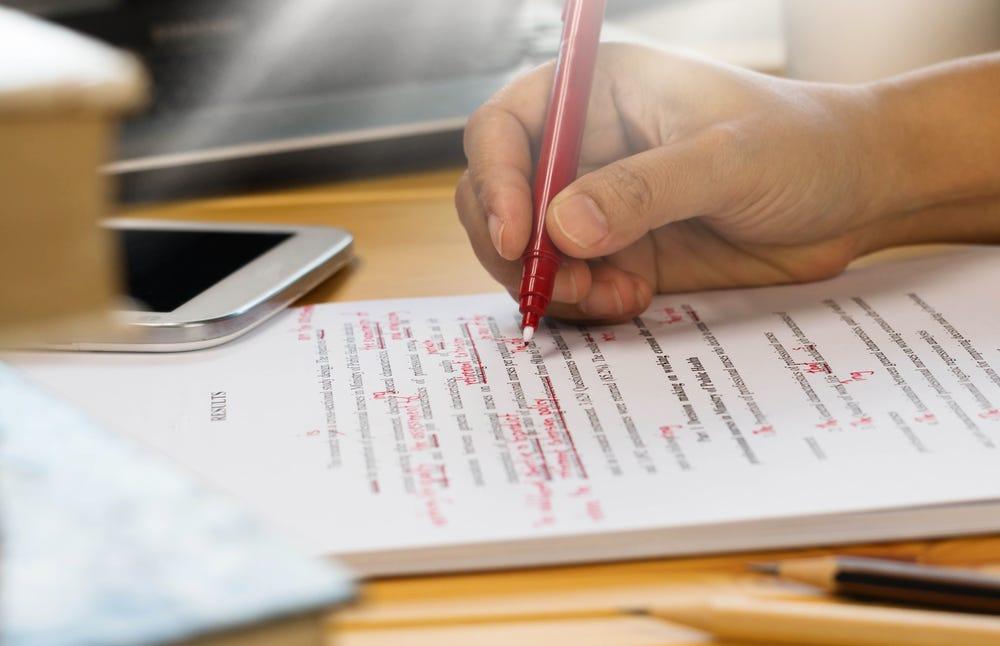
Book editing is a multi-layered process that improves the quality, structure, and readability of a manuscript before it reaches readers. It ensures that the final book is clear, consistent, and professionally presented.
Editing is often divided into different stages, each serving a specific purpose:
- Developmental editing improves structure and storytelling
- Line editing enhances sentence flow and tone
- Copy editing fixes grammar and consistency
- Proofreading removes final errors
Each stage plays a critical role in preventing book failure.
Why editing is essential:
- Improves readability and flow
- Strengthens storytelling or argument
- Enhances professional credibility
- Increases reader satisfaction
Without these improvements, even strong ideas can feel confusing or unpolished to readers.
How Lack of Editing Leads to Book Failure
One of the biggest reasons books fail is poor first impression. Readers today are extremely quick to judge quality, especially on digital platforms.
Studies in publishing behavior show that readers often decide within the first few pages whether to continue a book. If the writing feels unpolished or confusing, they are likely to abandon it.
Common failure patterns:
- Weak narrative structure
- Repetitive content
- Grammar and spelling issues
- Unclear messaging
- Poor pacing
Books with these problems often receive negative reviews, which significantly reduces visibility in online marketplaces.
Why Readers Reject Poorly Edited Books
Reader expectations have increased significantly due to the rise of professional publishing standards. Even self-published books are expected to match traditional publishing quality.
Reader behavior insights:
- Over 70% of readers abandon books due to poor writing quality
- Negative reviews heavily influence buying decisions
- Readers associate editing quality with author credibility
Once a book receives early negative reviews, it becomes difficult to recover sales momentum.
Types of Editing That Prevent Book Failure
Understanding different types of editing helps authors identify where their manuscript needs improvement.
Developmental Editing
Focuses on:
- Structure
- Plot or argument flow
- Character or idea development
Line Editing
Focuses on:
- Sentence clarity
- Tone consistency
- Writing style
Copy Editing
Focuses on:
- Grammar
- Spelling
- Consistency
Proofreading
Focuses on:
- Final error correction
- Formatting issues
Key takeaway:
Each editing stage prevents specific types of failure that could otherwise affect reader experience.
Most Common Reasons Books Fail Without Editing
Books fail not because of bad ideas, but because of poor execution.
Major reasons include:
- Lack of structure
- Weak opening chapters
- Grammar and language mistakes
- Overcomplicated storytelling
- Poor pacing and flow
Bullet summary:
- No clear message leads to confusion
- Grammar issues reduce credibility
- Weak structure reduces engagement
- Poor flow affects readability
Impact of Poor Editing on Book Sales
Editing directly affects how books perform in the market. A poorly edited book is more likely to receive low ratings, which reduces algorithm visibility on platforms like Amazon.
Key impacts:
- Lower reader retention
- Reduced word-of-mouth marketing
- Poor online ratings
- Decreased algorithm ranking
Publishing data suggests that books with better editing consistently outperform unedited manuscripts in both sales and long-term engagement.
Role of Market Competition in Editing Importance
The publishing industry has become highly competitive, making editing more important than ever.
In major publishing hubs like book publishers in new york, editorial standards are extremely strict. Publishers receive thousands of submissions and only accept manuscripts that meet high-quality benchmarks.
Competitive pressures include:
- High submission volume
- Limited publishing slots
- Reader demand for quality content
- Global competition from self-publishing authors
Because of this, poorly edited books rarely survive the review process.
Case Study: Book Failure Due to No Editing
A self-published fiction author released a book without professional editing. While the story idea was strong, early readers pointed out issues in grammar, structure, and pacing.
Results:
- Negative early reviews
- Low reader engagement
- Declining sales after launch
After the author revised the manuscript with proper editing, a second edition performed significantly better, showing improved ratings and reader feedback.
Key lesson:
Editing can completely change how a book performs in the market.
How Proper Editing Prevents Book Failure
Editing transforms raw ideas into publishable content that meets reader expectations.
Benefits include:
- Improved readability
- Stronger storytelling
- Better engagement
- Higher credibility
Bullet list:
- Clear structure improves understanding
- Error-free writing builds trust
- Better flow increases reader retention
- Professional tone improves marketability
Editing is essentially a quality control system for publishing success.
When Should Authors Invest in Editing?
Timing is critical when it comes to editing.
Best stages for editing:
- After completing the first draft
- Before submitting to publishers
- Before self-publishing release
- During revision cycles
Editing too early or too late can reduce effectiveness, so proper timing is essential.
Role of Professional Editors in Preventing Failure
Professional editors bring experience, objectivity, and technical knowledge to improve manuscripts.
What they offer:
- Structural improvements
- Genre-specific guidance
- Error detection beyond software tools
- Reader-focused feedback
Even advanced AI tools cannot fully replace human editorial judgment, especially for storytelling and emotional tone.
How Authors Can Improve Editing Outcomes
Authors can reduce failure risk by following a structured editing process.
Practical steps:
- Self-edit first draft before hiring editors
- Use beta readers for feedback
- Hire professional editors for refinement
- Review multiple editing stages
Checklist:
- Improve structure
- Fix grammar issues
- Enhance flow
- Strengthen clarity
- Ensure consistency
Future of Book Editing in 2026
The editing industry is evolving with technology, but human expertise remains essential.
Emerging trends:
- AI-assisted editing tools
- Faster editorial workflows
- Hybrid editing systems
- Increased quality expectations
Despite automation, human editors are still required for context, storytelling, and emotional accuracy.
Conclusion
Books often fail without proper editing because readers expect clarity, professionalism, and well-structured storytelling. In a competitive publishing environment, especially in regions with strict editorial standards, editing is no longer optional—it is essential.
Whether working with independent editors or large publishing ecosystems like book publishers in new york, the importance of editing remains the same: it transforms ideas into readable, market-ready books. Proper editing significantly increases the chances of success by improving readability, engagement, and long-term credibility in the publishing world.
Frequently Asked Questions
Why do books fail without proper editing?
Books fail because poor structure, grammar issues, and unclear writing reduce reader engagement and credibility.
Can editing improve book sales?
Yes, well-edited books generally receive better reviews and higher visibility.
Is professional editing necessary for self-publishing?
Yes, because readers expect professional-quality writing even from independent authors.
What type of editing is most important?
Developmental editing is often the most critical because it shapes overall structure.
Can bad editing ruin a good story?
Yes, even strong ideas can fail if poorly presented or confusing.





 Arabic
 French
 Spanish
 Portuguese
 Deutsch
 Turkish
 Dutch
Dutch
 Italiano
 Russian
 Romaian
 Portuguese (Brazil)
 Greek
Greek