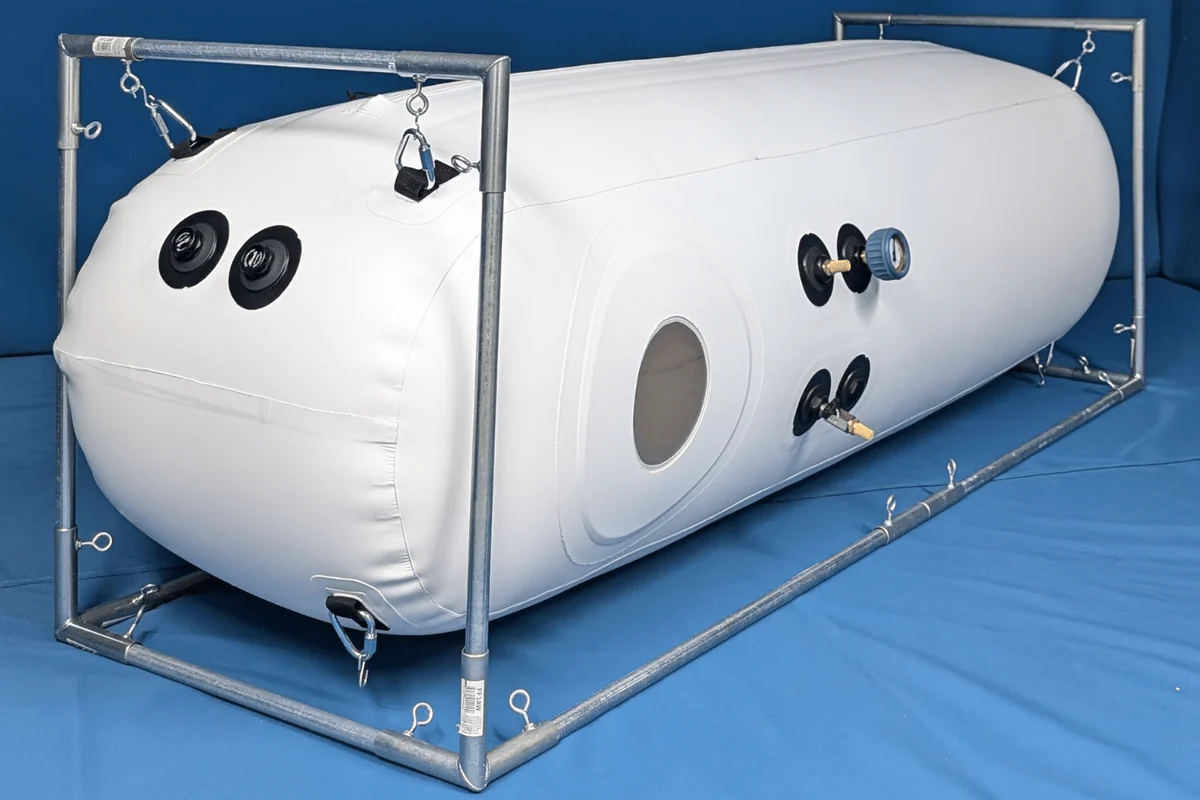
Average Cost of a Hyperbaric Oxygen Chamber: Purchase, Rental, and Insurance Coverage

Understanding the cost of hyperbaric chamber ownership is one of the most important steps for anyone considering hyperbaric oxygen therapy. Whether you are an individual exploring home-based wellness options or a business owner looking to expand recovery services, pricing can vary significantly based on chamber type, features, and intended use. Many people are surprised to learn that costs extend beyond the initial purchase price and may include maintenance, accessories, training, and operational expenses. Having a realistic understanding of these financial factors helps buyers make informed decisions.
The hyperbaric oxygen therapy market has grown steadily across the United States during the past decade. Increased awareness among athletes, wellness enthusiasts, and healthcare providers has driven demand for both residential and commercial systems. As more manufacturers enter the market, consumers have access to a wider range of products and pricing structures. While additional choices are beneficial, they can also make the buying process more confusing.
This article examines purchase costs, rental options, insurance considerations, and long-term ownership expenses using a practical PAS framework. By understanding the true financial picture, consumers can avoid unexpected surprises and choose an option that aligns with their goals and budget. A careful evaluation of costs often leads to better decisions and greater satisfaction over time.
The Problem: Hyperbaric Chamber Pricing Can Be Confusing
Many first-time buyers begin researching hyperbaric equipment expecting straightforward pricing information. Instead, they quickly discover a wide range of products with dramatically different costs. Cost of hyperbaric chamber commercial units, and medical-grade equipment all occupy different price categories. Without understanding the reasons behind these variations, it can be difficult to compare options accurately.
Manufacturers often emphasize product features while providing limited context about total ownership costs. Buyers may focus on the advertised purchase price without considering expenses such as maintenance, accessories, installation, or future upgrades. This incomplete picture can create unrealistic expectations and lead to budgeting challenges after the purchase is complete.
The search becomes even more complicated when consumers try to identify the best hyperbaric chamber for home use. Price is obviously important, but it is only one factor among many. Buyers must also evaluate chamber size, pressure capabilities, support services, warranty coverage, and long-term reliability. Balancing these considerations requires careful research and realistic expectations.
The Agitation: Unexpected Costs Can Create Financial Stress
The financial impact of choosing the wrong system can be significant. Some buyers invest in equipment based solely on promotional pricing and later discover additional expenses that were not part of their original budget. Costs associated with maintenance, oxygen concentrators, replacement components, and operational requirements can add up over time. These surprises often lead to frustration and buyer regret.
I have spoken with consumers who initially believed the purchase price represented the entire investment. After receiving their equipment, they realized there were additional costs associated with setup, accessories, and ongoing maintenance. While these expenses were not necessarily unreasonable, they would have appreciated understanding them before making a purchasing decision. Transparency helps buyers plan more effectively.
Business owners face even greater challenges because equipment investments directly affect profitability. Recovery centers and wellness facilities must evaluate not only acquisition costs but also potential revenue opportunities and operating expenses. A poor financial decision can affect long-term business performance, making detailed research essential before committing to any purchase.
Understanding the Cost of Hyperbaric Chamber Purchases
The cost of hyperbaric chamber purchases varies widely depending on chamber type and intended application. Soft-shell chambers designed for personal wellness use typically represent the most affordable category. Depending on specifications and included equipment, prices often range from several thousand dollars to tens of thousands of dollars. These systems appeal to home users because they provide accessibility without requiring major facility modifications.
Hard-shell chambers generally cost substantially more than soft-shell alternatives. These systems are commonly used in medical facilities and specialized treatment centers where higher operating pressures and enhanced monitoring capabilities are required. Prices can range from tens of thousands to well over one hundred thousand dollars depending on chamber size, design, and functionality.
Commercial buyers often evaluate cost differently than individual consumers. Instead of focusing solely on acquisition expenses, businesses consider potential return on investment and service demand. Wellness centers, sports recovery facilities, and performance clinics frequently view equipment purchases as long-term business assets rather than simple expenditures.
Rental Options and Monthly Expenses
Not every consumer wants to purchase equipment immediately. Rental programs have become increasingly popular because they allow users to experience hyperbaric therapy without making a large upfront investment. Rental arrangements vary by provider, location, and chamber type, but they generally involve monthly fees that include equipment use and basic support services.
Renting can be especially useful for individuals who are still evaluating whether hyperbaric therapy fits their lifestyle. Rather than committing to ownership immediately, users can gain firsthand experience before making a larger financial decision. This approach reduces risk and provides valuable insight into long-term usage patterns and personal preferences.
Many consumers researching the best hyperbaric chamber for home use begin with rental programs to better understand equipment requirements. This strategy allows them to compare features, evaluate comfort levels, and determine whether ownership makes financial sense. While rental costs can accumulate over time, they may still be a practical option for certain users.
Insurance Coverage: What Consumers Need to Know
Insurance coverage is one of the most misunderstood aspects of hyperbaric therapy costs. Many consumers assume insurance will automatically cover all hyperbaric treatments or equipment expenses. In reality, coverage often depends on specific medical conditions, treatment settings, and provider requirements. Understanding these details is important before making financial plans.
In the United States, insurance companies generally follow established guidelines when determining coverage eligibility. Certain medically approved applications may qualify for reimbursement under specific circumstances. However, wellness-focused or home-based uses may not receive the same level of coverage. Consumers should always verify benefits directly with their insurance providers before making assumptions.
The cost of hyperbaric chamber ownership can be affected significantly by insurance considerations. While some treatment expenses may qualify for reimbursement, equipment purchases are often handled differently. Understanding coverage limitations early in the process helps buyers develop realistic financial expectations and avoid unexpected disappointments.
Maintenance, Accessories, and Hidden Costs
Ownership expenses extend beyond the initial purchase. Regular maintenance plays an important role in preserving performance and safety. Components such as compressors, valves, seals, and pressure monitoring systems require periodic inspections and servicing. These routine responsibilities contribute to the overall ownership experience and should be included in financial planning.
Accessories can also increase total investment costs. Oxygen concentrators, replacement parts, protective equipment, and upgraded features may not always be included in base pricing. Buyers who focus exclusively on advertised purchase costs may overlook these additional expenses. Evaluating complete ownership requirements provides a more accurate understanding of long-term financial commitments.
Many buyers searching for the best hyperbaric chamber for home use discover that support services and warranty coverage are just as important as purchase price. Reliable customer service and readily available replacement parts can reduce long-term ownership challenges. These factors often contribute to value even when they do not directly affect upfront costs.
Real-World Business Examples in the United States
The growth of the wellness and recovery industry has created new opportunities for businesses investing in hyperbaric technology. Sports recovery centers, wellness clinics, and performance facilities frequently incorporate hyperbaric services into their offerings. These businesses carefully evaluate costs before purchasing equipment because profitability depends on balancing expenses with customer demand.
Many smaller wellness businesses start with soft-shell systems due to their lower acquisition costs. This strategy allows operators to test market demand before expanding into larger or more advanced equipment. Several successful recovery centers have gradually scaled operations after demonstrating consistent customer interest in hyperbaric services.
The cost of hyperbaric chamber investments is often viewed differently in commercial environments. Business owners focus not only on purchase price but also on potential revenue generation, maintenance expenses, and operational efficiency. This broader perspective helps them evaluate equipment as part of a long-term growth strategy rather than a simple purchase decision.
How to Choose the Right Financial Approach
Every buyer has unique financial priorities and usage goals. Some consumers value ownership because it provides unrestricted access and long-term convenience. Others prefer rentals because they offer flexibility and lower initial financial commitments. Determining the right approach requires an honest assessment of budget, expected usage frequency, and long-term objectives.
Research remains one of the most valuable tools during the decision-making process. Comparing products, reading customer experiences, evaluating warranty coverage, and understanding operational costs can help buyers avoid common mistakes. Taking the time to gather information often results in better purchasing decisions and greater confidence.
Consumers evaluating the best hyperbaric chamber for home use should focus on overall value rather than price alone. A slightly higher investment may provide better reliability, stronger support, and lower maintenance costs over time. Looking beyond initial pricing creates a more complete understanding of long-term ownership value.
Conclusion
The cost of hyperbaric chamber ownership involves much more than the purchase price listed on a product page. Buyers must consider equipment type, rental opportunities, insurance coverage, maintenance requirements, and long-term operational expenses. Understanding these factors creates a clearer picture of the true financial commitment involved.
Whether purchasing equipment for personal wellness or business use, informed planning is essential. Rental programs can provide flexibility, while ownership may offer greater convenience for frequent users. Insurance considerations should also be reviewed carefully to avoid unrealistic expectations about reimbursement and coverage.
As the hyperbaric industry continues to expand, consumers have more options than ever before. Taking the time to evaluate every aspect of the cost of hyperbaric chamber ownership can lead to smarter decisions and better long-term outcomes. Careful research, realistic budgeting, and a focus on overall value remain the best strategies for navigating this growing market.