


Repeated IVF Failures: Key Factors That May Be Affecting Success
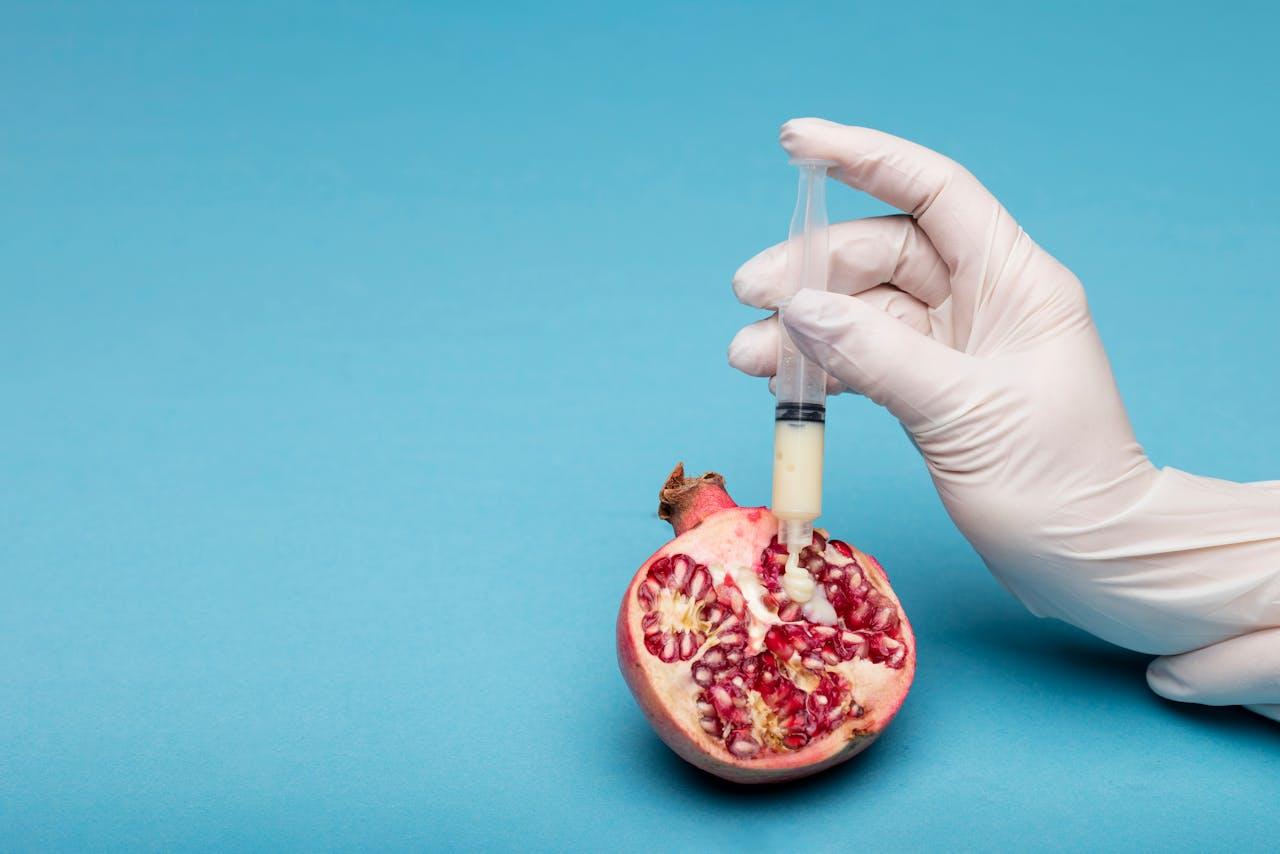
Repeated IVF failure can feel emotionally draining, especially when each cycle comes with high expectations and careful planning. In most fertility clinics, repeated IVF failure is usually considered after three or more unsuccessful embryo transfers using good-quality embryos.
IVF outcomes are never guaranteed in a single attempt. On average, success rates per cycle range from 30% to 40%, depending on age, embryo quality, and uterine conditions.
This means multiple cycles may be required, but repeated failure often signals a need for detailed evaluation rather than repeating the same protocol.
Understanding Why IVF May Fail Repeatedly
IVF is a complex process involving egg retrieval, fertilisation, embryo development, and implantation.
Even a minor disruption at any stage can lead to failure. While some couples respond well in the first cycle, others may need multiple adjustments in protocol, medications, or embryo selection methods.
A key concern is that repeated implantation failure is often multifactorial rather than due to a single cause. This is why a step-by-step medical evaluation is essential rather than repeating the same treatment approach.
In such situations, many patients benefit from consultation with the best gynecologist in Noida, where a structured fertility assessment can help identify overlooked issues and refine the treatment plan more effectively.
Key Medical Factors Behind Repeated IVF Failure
Repeated IVF failure is often linked to a combination of uterine, embryonic, hormonal, and male factors. Understanding each of these helps in planning a more targeted treatment strategy.
1. Uterine Environment and Implantation Issues
The uterus plays a critical role in embryo implantation. Even when embryos are of good quality, implantation may fail if the uterine lining is not receptive. Conditions such as thin endometrium, uterine adhesions, fibroids, or chronic endometritis can significantly reduce success rates.
In some cases, poor blood flow to the endometrium also limits embryo attachment, making implantation unsuccessful despite repeated attempts.
2. Embryo Quality and Genetic Abnormalities
Embryo health is one of the strongest predictors of IVF success. Research shows that nearly 50% of embryos in women above 40 carry chromosomal abnormalities, which directly affects implantation and early pregnancy development.
Even in younger women, random genetic errors can occur, leading to repeated failure despite seemingly good-quality embryos under the microscope.
3. Hormonal Imbalances and Luteal Phase Support
Hormones like progesterone, thyroid hormones, and prolactin must remain within optimal ranges for successful implantation.
A slight imbalance can disrupt the endometrial lining. For example, inadequate progesterone support after embryo transfer can prevent the uterus from sustaining early pregnancy.
4. Male Factor and Sperm DNA Integrity
Standard semen analysis may appear normal, but hidden issues like sperm DNA fragmentation can affect embryo development.
High DNA damage in sperm can lead to poor-quality embryos that fail to implant or stop developing early.
5. Lifestyle and Metabolic Influences
Lifestyle factors also play a significant role. High stress levels, smoking, obesity, and irregular sleep patterns can reduce IVF success rates.
A higher BMI can also make it more difficult for the body to respond optimally to fertility medications and may reduce the chances of successful embryo implantation.
Key Takeaway
Repeated IVF failure is not necessarily the end of the fertility journey but a sign that deeper evaluation is required. With advanced diagnostics, individualised treatment protocols, and careful monitoring, success rates can improve significantly.
Seeking care at the best IVF centre in Noida ensures access to specialised embryology labs, advanced genetic testing, and personalised fertility care designed to address complex infertility cases effectively.

 Arabic
 French
 Spanish
 Portuguese
 Deutsch
 Turkish
 Dutch
Dutch
 Italiano
 Russian
 Romaian
 Portuguese (Brazil)
 Greek
Greek