


Invisible Aligners vs. Braces After 30: What Adult Patients Actually Experience
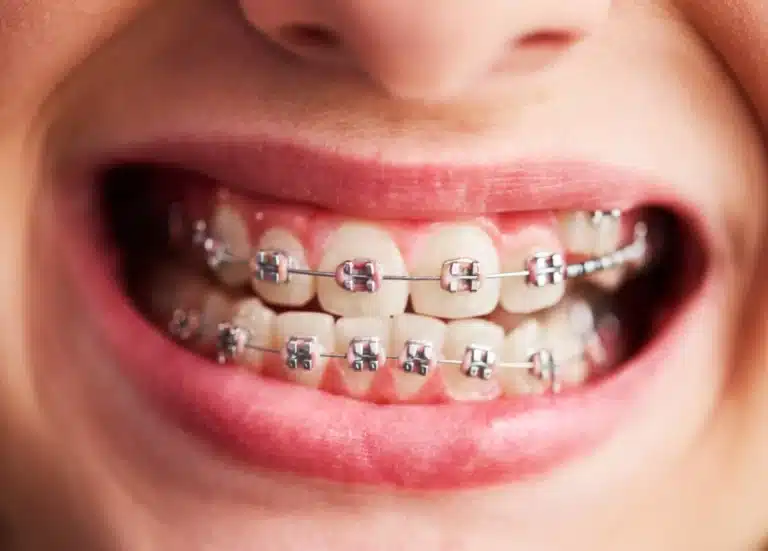
Orthodontic treatment has always been associated with adolescence. The image of a teenager with a mouth full of metal has defined how most people think about braces for decades. But the reality in modern dental clinics looks very different. Adults in their thirties, forties, and even fifties are choosing orthodontic treatment in growing numbers, and they are doing it on very different terms than teenagers did.
If you have been considering straightening your teeth but held back because of age, this post is for you. We will look at how invisible aligners and traditional braces each perform for adult patients specifically, what the real experience is like, and what you should know before making a decision. Whether you are based in Kerala or considering dental tourism in Kerala from abroad, the information here applies directly to what you will encounter at a good dental clinic in Kannur or any major city.
Why Adults Seek Orthodontic Treatment Later
Most adults who come in for orthodontic consultations fall into a few clear categories. Some had braces as a teenager but did not wear their retainer consistently, and their teeth have shifted back. Others simply could not afford treatment during childhood. A significant number are working professionals who have recently become more conscious of how their smile affects their confidence in client-facing roles. And some have been told by their dentist that misaligned teeth are contributing to jaw pain, uneven wear, or difficulty cleaning effectively.
Whatever the reason, the decision to pursue orthodontic work after thirty comes with a different set of considerations than it does for a teenager. Adults have fully developed bone structure, established careers, active social lives, and usually a much lower tolerance for anything that significantly disrupts daily life.
The Case for Invisible Aligners
Invisible aligners, the most well-known brand being Invisalign, work by using a series of custom-made clear plastic trays that gradually shift teeth into the desired position. Each set of trays is worn for about one to two weeks before progressing to the next. For adult patients, the appeal is immediate and obvious: they are nearly invisible when worn, they are removable, and they do not interfere with eating or oral hygiene routines.
In practice, adult patients consistently report that aligners cause far less social disruption than they anticipated. Business meetings, presentations, and client dinners proceed without the self-consciousness that comes with visible metal hardware. The ability to remove aligners for eating is a significant lifestyle benefit, because unlike braces, there are no dietary restrictions. You can still eat the foods you enjoy and brush and floss exactly as you normally would.
The main discipline required is consistency. Aligners must be worn for 20 to 22 hours per day to be effective. Adult patients who are motivated and follow through with this requirement typically see excellent results. Those who frequently remove aligners for convenience or forget to put them back after meals may find treatment dragging on longer than planned.
The Case for Traditional Braces
Traditional metal braces are not obsolete. For adult patients with more complex orthodontic needs, such as significant crowding, severe bite problems, or teeth that require precise vertical movement, braces often deliver results that aligners cannot match as efficiently. The hardware is fixed in place, which means there is no compliance variable. The force is applied consistently, all day, every day.
Modern braces have improved considerably from the bulky metal versions of previous decades. Ceramic or tooth-coloured brackets are now widely available, reducing the aesthetic impact significantly. Some adults find that once they accept the visual element, braces are actually easier to manage day to day than aligners because there is nothing to track, remove, or remember to put back in.
The trade-off is in the adjustments. Monthly orthodontic appointments are required, and there is typically soreness for a day or two after each visit. Food restrictions are real: hard, sticky, or chewy foods must be avoided throughout treatment to prevent bracket damage. Cleaning around brackets and wires requires more effort and the right tools.
How Adult Bone Biology Affects Treatment
One important difference between adult and adolescent orthodontic treatment is bone density. Teenagers have more metabolically active bone that responds quickly to orthodontic pressure. Adult bone is denser, which means tooth movement happens more gradually. Treatment timelines for adults are often slightly longer, and this is normal. Your orthodontist should discuss realistic expectations with you at the outset.
Adults are also more likely to have existing dental work, including crowns, bridges, fillings, and implants. These factors influence treatment planning. Teeth with crowns can be moved, but implants are fixed in bone and cannot be shifted, so their position must be worked around. A thorough assessment before starting any orthodontic treatment is essential.
Dental Tourism in Kerala: A Practical Option for Adults
For adults based in the Gulf, the United Kingdom, or other parts of India, dental tourism in Kerala has become an increasingly practical route to orthodontic care. Treatment costs for invisible aligners and braces in Kerala are substantially lower than in Western countries, without any compromise in clinical quality. The state has a high concentration of qualified dental specialists who are trained in the latest orthodontic techniques and use the same materials and technologies you would find internationally.
Many patients plan their aligner treatment around visits home, picking up new trays and having progress reviews during each trip. Clinics in Kannur, Kozhikode, and Kochi are accustomed to managing this model for non-resident patients and can coordinate effectively through digital consultations between in-person visits.
Which Should You Choose?
There is no single right answer. A thorough orthodontic assessment will reveal whether your case is suitable for aligners, whether braces are clinically more appropriate, or whether you are a candidate for either. In general, adult patients with mild to moderate crowding or spacing issues who value aesthetics and flexibility tend to do very well with invisible aligners. Adults with more complex bite issues or those who prefer a hands-off approach to daily compliance often achieve better outcomes with braces.
At Amend Dental Centre in Calicut and Kannur, our orthodontic specialists work with adult patients every day, tailoring treatment plans to real life rather than textbook cases. Whether you are leaning toward aligners or braces, or simply want an honest assessment of your options, book a consultation and get clarity before you commit.


 Arabic
 French
 Spanish
 Portuguese
 Deutsch
 Turkish
 Dutch
Dutch
 Italiano
 Russian
 Romaian
 Portuguese (Brazil)
 Greek
Greek