


Where to Find Probate Estate Properties in Philadelphia
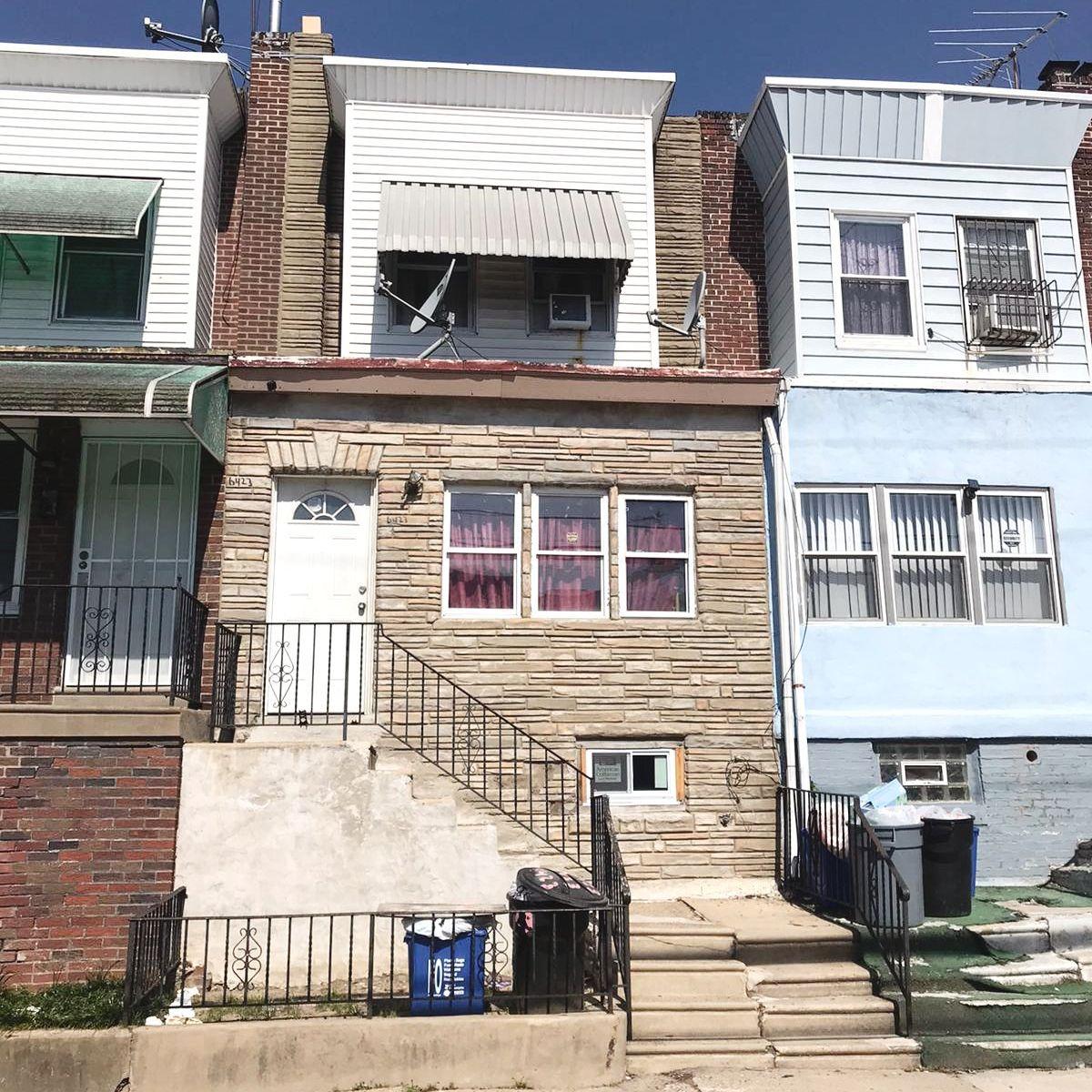
Probate estate properties can create opportunities for buyers, investors, heirs, and real estate professionals, but finding them in a city as large and varied as Philadelphia takes a clear understanding of the process. Probate property is not a special property type so much as a legal status. It usually refers to real estate that is part of an estate being settled through the court system after an owner’s death. In Philadelphia, these properties may appear in neighborhoods ranging from North Philly rowhouse blocks to West Philadelphia duplexes and homes in outlying sections of the city.
For people who want to learn where these properties come from and how to identify them early, it helps to know the local process, the public records involved, and the role of estate representatives. Some people begin by researching court filings, while others speak with attorneys, title professionals, or probate home buyers philadelphia to understand how estate sales are handled in practice. The key is to approach the search with patience, legal awareness, and realistic expectations about timelines and conditions.
Key points:
- Probate estate properties are homes or buildings tied to a deceased owner’s estate and court-supervised transfer process.
- In Philadelphia, these properties can be found through probate court records, estate filings, public notices, and local real estate professionals.
- Not every inherited property is for sale, and many remain occupied while the estate is being settled.
- Understanding how probate works helps buyers avoid confusion and identify legitimate opportunities.
- Due diligence matters, including title checks, condition inspections, and confirming who has authority to sell.
Understanding Probate Estate Properties in Philadelphia
Probate is the legal process used to settle a person’s estate after death. If real estate is part of the estate, the property may need to pass through probate before it can be sold or transferred. In Philadelphia, this process typically involves the Register of Wills and, depending on the situation, the Orphans’ Court Division. The executor or administrator of the estate is usually the person authorized to manage the property, pay debts, and complete a sale if needed.
Probate properties can be attractive because they are sometimes sold by heirs who want a faster settlement, but that does not mean they are always discounted or easy to acquire. Some properties need repairs, while others may be in good condition but simply require a court-approved transfer. The most important thing to remember is that a probate sale is governed by legal authority, not just seller preference.
Where Probate Estate Properties Are Most Commonly Found
1. Philadelphia Probate Court and Estate Records
One of the most direct ways to locate probate-related properties is by reviewing estate records and court filings. When an estate enters probate, certain documents may become public, including the decedent’s name, the appointed executor, and sometimes property-related references. These records can help a searcher identify whether a home is part of an estate and whether a sale may be possible.
In Philadelphia, records may be found through the Register of Wills, the court system, and related public indexes. Because record access can vary depending on the document type, it helps to know the decedent’s full name and approximate date of death before searching.
2. Public Notices and Legal Advertisements
Some estate matters appear in public notices, including legal advertisements published to inform creditors, heirs, or interested parties. These notices may mention the estate, the executor, or a property address. While not every notice will lead directly to a sale, they can be useful clues for identifying homes that are tied to probate proceedings.
Buyers and researchers should review notices carefully, since they often use legal language that can be easy to overlook. Names, addresses, and filing details may help connect a specific property to an active estate.
3. County Property Records
Philadelphia property records can provide ownership history, tax information, and deed transfers. If a homeowner has passed away, the property may still be listed in the deceased owner’s name until the estate is settled. This creates a window where the property appears in public records but has not yet transferred to an heir or buyer.
Reviewing deed records, tax assessments, and mailing addresses can reveal signs that an estate is being administered. For example, if tax notices are being sent to an estate representative or if ownership has not changed for a long period after a death, the property may be in probate.
4. Neighborhood Observation and Local Awareness
In a city like Philadelphia, local knowledge still matters. Some probate properties are not immediately listed for sale, especially when family members are still deciding what to do with the home. A property may show signs of vacancy, limited maintenance, or inherited ownership, but those clues alone do not mean it is available.
Real estate professionals, block captains, attorneys, and neighbors sometimes become aware of estate properties before they reach the market. That said, anyone interested in a probate property should avoid making assumptions and instead verify the legal status through proper records or the estate’s representative.
How to Identify a Probate Property Safely
The best way to identify a probate property is to confirm two things: who owns the property and who has legal authority to deal with it. If the owner is deceased, the next step is to determine whether an executor, administrator, or personal representative has been appointed.
Useful signs of a probate property may include:
- Ownership still listed in the name of a deceased person
- Recent estate filings in public records
- Mail addressed to an estate or personal representative
- Delayed transfer of title after a known death
- Statements from attorneys or heirs about an estate sale
Even when these signs are present, the property may not be ready for sale. Some estates require appraisals, debt resolution, or court approval before a transfer can move forward.
Working With Estate Representatives
In probate matters, the person who can legally speak for the property is usually the executor or administrator. This person may be a family member, an attorney, or another court-appointed representative. If you are trying to buy a probate property, all serious communication should go through the person with authority over the estate.
It is also important to understand that heirs may have different opinions about the property. Some may want to sell quickly, while others may prefer to keep the home in the family. These differences can affect timing and availability. Clear communication and respect for the legal process are essential.
What Buyers Should Check Before Making an Offer
Probate properties can involve extra steps, so buyers should be thorough before moving forward. A careful review can prevent delays and unexpected costs.
- Title status: Confirm that the estate has the right to transfer the property and check for liens or unpaid taxes.
- Condition of the home: Some probate homes have been vacant or under-maintained, so inspections matter.
- Court requirements: Find out whether the sale needs approval from the probate court.
- Occupancy: Determine whether the home is vacant, occupied by heirs, or rented to tenants.
- Timeline: Probate sales can take longer than standard transactions, so patience is important.
Because every estate is different, buyers should also speak with a real estate attorney or title company familiar with Pennsylvania probate rules. This helps ensure the transaction is handled correctly from the start.
Why Philadelphia Probate Properties Require Local Knowledge
Philadelphia has a dense housing market, older housing stock, and many long-held family homes. That combination means probate properties may be found in nearly every section of the city, but the legal and physical condition of each property can vary widely. A rowhome in South Philadelphia may have a very different history from a duplex in Germantown or a single-family home in Northeast Philadelphia.
Local knowledge helps in several ways. It can reveal which neighborhoods tend to have older inherited properties, which title issues are common, and how quickly estate matters are usually resolved in the area. It can also help buyers and heirs understand realistic pricing, repair expectations, and market demand.
Common Mistakes to Avoid
People who are new to probate property searches often make avoidable mistakes. One common error is assuming that every vacant or inherited-looking property is available for purchase. Another is contacting heirs directly without understanding who has legal authority. A third mistake is ignoring title problems, which can create expensive delays later.
It is also risky to rush into a purchase without checking whether the estate still owes taxes, utility bills, or other debts. These obligations may need to be resolved before closing. Taking time to verify the legal and financial condition of the property is always worthwhile.
Conclusion
Finding probate estate properties in Philadelphia requires a mix of legal awareness, record research, and practical patience. The most reliable sources include probate court records, public notices, county property records, and communication with estate representatives. While these properties can present useful opportunities, they also come with special steps that differ from a standard home sale.
Anyone looking to buy or understand a probate property should focus on confirmation, not assumption. By checking ownership records, verifying authority to sell, and learning how Philadelphia probate works, you can approach the process with greater confidence and fewer surprises. In a city with such a deep housing history, that careful approach makes all the difference.
FAQ
What is a probate estate property?
A probate estate property is real estate that is part of a deceased person’s estate and must go through a legal process before it can be sold or transferred.
How do I find probate properties in Philadelphia?
You can look through probate court records, public notices, property records, and estate filings. Local attorneys and title professionals can also help identify active probate matters.
Are probate properties always cheaper?
No. Some may be priced below market if the estate wants a quick sale, but many are priced based on condition, location, and market demand.
Can I buy a probate property directly from heirs?
Only if the heirs or estate representative have the legal authority to sell. The person handling the estate must have proper authority before any sale can proceed.
Do probate sales take longer than normal sales?
Often, yes. Probate sales can involve court approval, title review, and estate administration steps that add time to the process.
What should I check before making an offer?
Review title status, property condition, occupancy, liens, tax issues, and whether court approval is required. It is also wise to consult a professional familiar with probate transactions in Pennsylvania.
Can a probate property be occupied?
Yes. Some probate properties are vacant, while others are occupied by family members or tenants during the estate process.


 Arabic
 French
 Spanish
 Portuguese
 Deutsch
 Turkish
 Dutch
Dutch
 Italiano
 Russian
 Romaian
 Portuguese (Brazil)
 Greek
Greek