


Moisture Meter: Essential Tool for Accurate Moisture Measurement
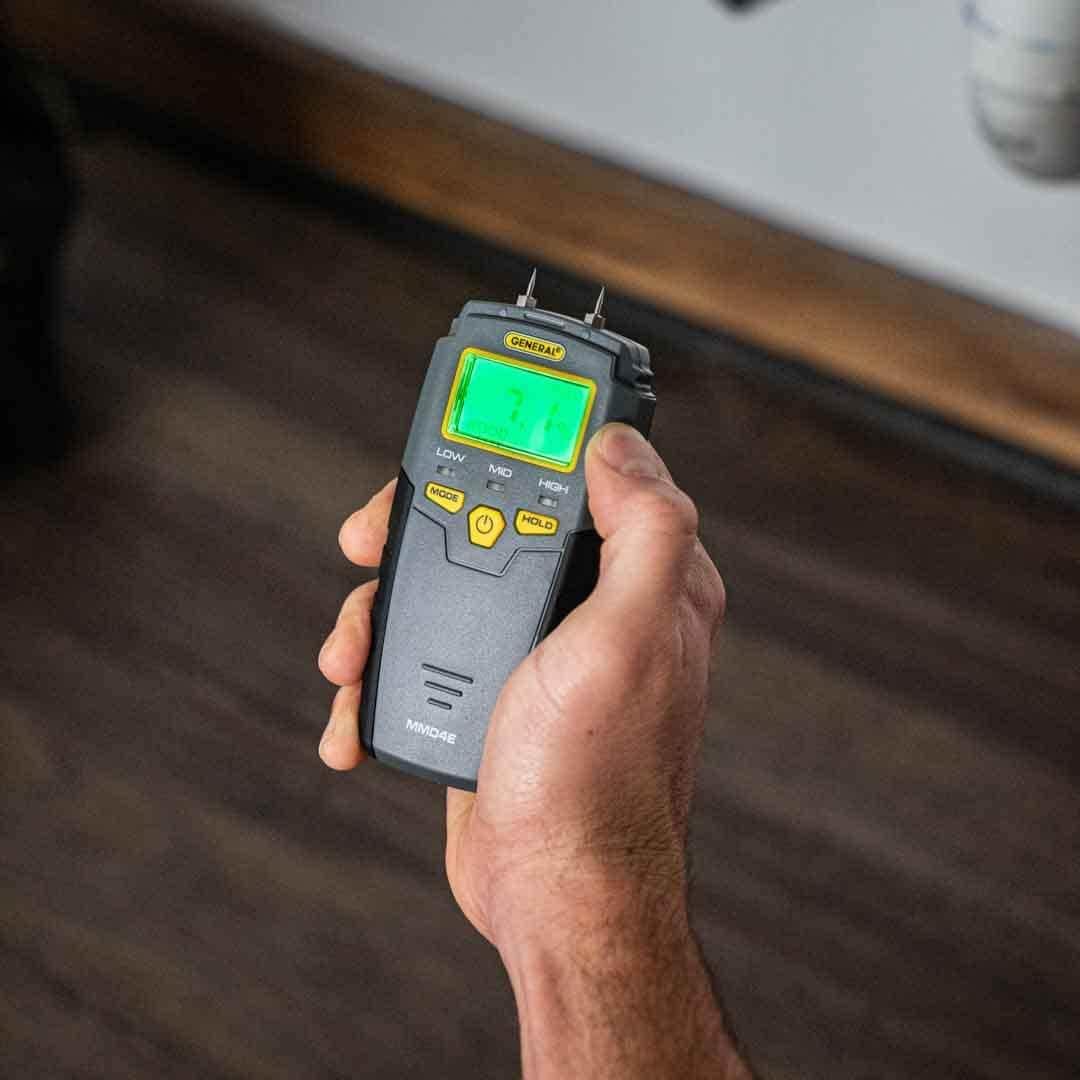
A moisture meter is an indispensable tool for professionals and DIY enthusiasts alike, helping to accurately measure moisture levels in various materials. Whether you are working in construction, woodworking, agriculture, or home maintenance, understanding the moisture content in wood, soil, or building materials is critical to ensuring quality, safety, and durability.
Moisture problems can lead to structural damage, mold growth, or even compromise the performance of materials. Therefore, a reliable moisture meter is essential for detecting hidden moisture before it becomes a costly problem.
Why Moisture Measurement Matters
Moisture is one of the leading causes of damage in buildings, furniture, and crops. In construction, excess moisture in walls, flooring, or concrete can weaken structural integrity and lead to cracks or decay. For woodworkers, unbalanced moisture content can cause warping, splitting, or uneven finishes. Similarly, in agriculture, soil moisture levels directly impact plant health and crop yield.
By using a moisture meter, you can quickly identify areas of concern and take preventive measures. Early detection of moisture allows for timely interventions, reducing the risk of mold, rot, and other moisture-related issues. Whether in commercial or residential settings, a moisture meter ensures safer, more reliable outcomes.
Types of Moisture Meters
There are several types of moisture meters designed for different applications. Choosing the right type is crucial for accurate measurement:
1. Pin-Type Moisture Meters
These devices use two or more pins that penetrate the material. The meter measures electrical resistance between the pins, which correlates with moisture content. Pin-type meters are particularly effective for wood and other dense materials.
2. Pinless Moisture Meters
Pinless meters use electromagnetic signals to detect moisture without penetrating the surface. These are ideal for delicate surfaces, finished wood, or walls where you do not want to cause damage.
3. Specialized Meters
Certain meters are designed specifically for soil, concrete, or grain. These moisture meters can provide precise readings tailored to the material, ensuring accurate results in agriculture, construction, or industrial applications.
Understanding which moisture meter to use depends on the type of material and the required precision of the measurement.
Applications of Moisture Meters
The versatility of a moisture meter makes it valuable in numerous fields:
-
Construction and Renovation: Detect hidden moisture in walls, ceilings, floors, and concrete slabs to prevent structural damage and mold growth.
-
Woodworking: Ensure wood has the correct moisture content before cutting, finishing, or joining. This helps prevent warping, cracking, or uneven staining.
-
Agriculture: Monitor soil moisture to optimize irrigation, promoting healthy plant growth and maximizing crop yield.
-
Home Maintenance: Identify leaks, damp spots, or water intrusion behind walls, under floors, or around windows.
-
Restoration Projects: During water damage recovery, moisture meters help track drying progress and prevent mold formation.
By accurately measuring moisture levels, users can make informed decisions and reduce costly mistakes.
How to Use a Moisture Meter Effectively
To get the best results from a moisture meter, follow these practical steps:
Select the Appropriate Meter: Choose a pin or pinless meter depending on the material and accuracy required.
Calibrate the Device: Follow the manufacturer’s instructions to ensure accurate readings. Some meters require periodic calibration to maintain precision.
Measure Multiple Points: Moisture can vary across a surface. Take readings in several spots for an overall assessment.
Interpret Readings Correctly: Each material has an acceptable moisture range. Compare readings with recommended levels to identify areas of concern.
Take Preventive Measures: If high moisture is detected, act quickly to dry, ventilate, or repair the affected area.
Proper use of a moisture meter ensures accurate data and protects your investment in materials and structures.
Benefits of Using a Moisture Meter
Using a moisture meter provides several key benefits:
-
Early Detection of Moisture Problems: Prevents costly repairs and structural issues.
-
Improved Material Performance: Ensures wood, concrete, or soil performs optimally by maintaining proper moisture levels.
-
Health and Safety: Reduces the risk of mold, which can cause respiratory problems and other health concerns.
-
Time and Cost Efficiency: Allows quick assessment without destructive testing.
Whether for professionals in construction, restoration, or agriculture, a moisture meter saves time, money, and effort by providing accurate information before problems escalate.
Choosing the Right Moisture Meter
When selecting a moisture meter, consider the following factors:
-
Material Compatibility: Ensure the meter is suitable for the material you intend to measure.
-
Accuracy and Range: Check the accuracy, sensitivity, and moisture range of the device.
-
Ease of Use: Consider handheld, digital, or multifunctional meters that are easy to operate.
-
Durability: Choose a meter that can withstand frequent use in different environments.
-
Cost vs. Features: Balance budget with the required features, ensuring the device meets your needs.
A well-chosen moisture meter is an investment that can save significant time and money over the long term.
Conclusion
A moisture meter is an essential tool for anyone dealing with wood, construction materials, soil, or restoration projects. It allows accurate measurement, early detection of moisture issues, and informed decision-making. By understanding the types of meters, their applications, and proper usage, you can prevent costly damage and improve the quality and longevity of materials.

 English
 Arabic
 Spanish
 Portuguese
 Deutsch
 Turkish
 Dutch
Dutch
 Italiano
 Russian
 Romaian
 Portuguese (Brazil)
 Greek
Greek