Why Is a Telephone Box Still a Striking Addition to Modern Spaces?

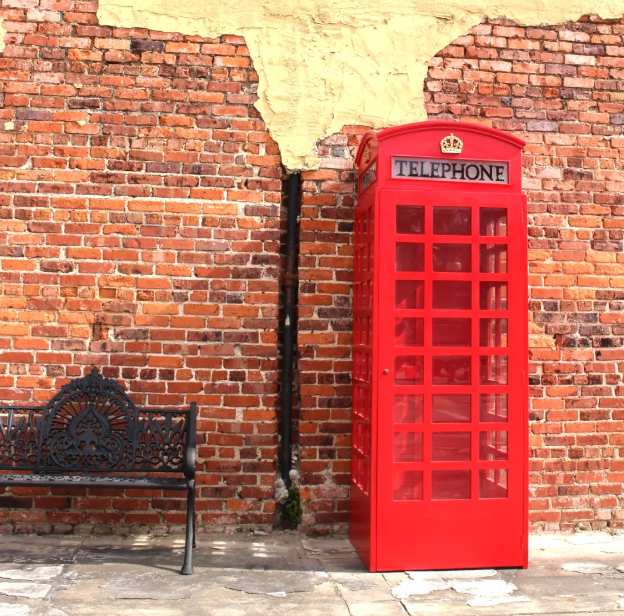
Few objects do more to define the visual character of Britain than the classic red telephone box. Once a vital piece of public infrastructure, it has become a cultural icon, recognized for its cast-iron construction, distinctive proportions and unmistakable red finish. Today, its charms have transcended telecommunications, and restored examples are employed in gardens, hospitality venues, commercial properties and heritage-inspired interiors.
Buyers who are hoping to buy a telephone box for sale need to be aware of its history, construction and possible uses. The right example is not just a decorative object but can become an architectural centrepiece with real historical character.
From Public Utility to British Design Icon
The modern British telephone box was born in the early 20th century, the General Post Office producing several designs. One of the most influential was the K6 kiosk, designed by architect Sir Giles Gilbert Scott in 1935 to celebrate the Silver Jubilee of King George V.
Its design refined the features that had come to be associated with British telephone kiosks: a compact, cast-iron structure, glazed panels, a domed roof and carefully proportioned details. The kiosks’ recognisable red finish made them highly visible and reinforced their visual identity within streetscapes.
That mix of “functional engineering and architectural design” is why original and faithfully restored kiosks remain in demand decades after their original purpose has faded.
What Makes a Traditional Telephone Box So Distinctive?
The devil is in the details. A good-quality kiosk should have the features that make up traditional British designs, rather than just copying their silhouette.
Features can include:
-
Built to last outdoors, cast iron construction.
-
Multi-pane glazing providing a traditional kiosk profile.
-
Ventilation and structural detailing in historic models.
-
Traditional red exteriors.
-
Crown or royal insignia on suitable original designs.
-
Doors, frames, and architectural hardware are durable.
Cast Iron: The Engineering Behind the Aesthetic
Many historic kiosks are characterized by their use of cast iron. The heft and tactile depth of traditional construction lend a sense of permanence to the piece, unlike lightweight modern replicas. It also allows for the inclusion of fine moulded details within the frame.
Careful assessment of the condition of the ironwork, glazing, paintwork, roof and door mechanism should therefore be undertaken for restoration projects. These factors affect both the product’s looks and its long-term usefulness.
Where Can a Restored Kiosk Make an Impact?
One of the reasons the demand has moved away from public infrastructure and toward private and commercial applications is the versatility of a traditional kiosk. With careful restoration it can become a distinctive feature, not merely an ornamental object.
Possible applications include:
-
Points of focus in the garden or estate.
-
Hotel and restaurant amenities.
-
Retail and hospitality entries.
-
Heritage or museum installations.
-
Innovative office environments.
-
Wi-Fi/telephone points.
-
Compact display or information stations.
In each environment, the kiosk can provide something contemporary installations often lack: an immediate sense of place and narrative.
Choosing the Right Kiosk for a Modern Setting
When looking for a telephone box for sale, buyers should look beyond colour and appearance. The value and suitability of a kiosk can be greatly affected by its origin, structural state and the quality of restoration work.
Please consider the following before purchasing:
-
Construction: Determine whether the kiosk is an actual historic building or a modern replica.
-
Condition: Check castings, glazing, roof sections, doors and internal fittings.
-
Restoration: Decide if the repairs maintain the original character while enhancing the practical usability.
-
Location: Outdoor installations shall be properly prepared and maintained.
-
Authenticity: Insignia, proportions and panel configuration can help establish the heritage credentials of the kiosk.
Thus a good telephone box can be both a design statement and a piece of British architectural history.
Give British Heritage a New Address
The classic telephone kiosk has a lasting appeal because it melds history, craftsmanship and recognizable design in a rare way. With thoughtful restoration, these structures can be given a chance to serve a new generation, rather than becoming forgotten relics of an earlier age of communications.
If you are looking for a telephone box for sale, The Kings Bay gives you the chance to explore this unique category with an appreciation of authenticity and heritage character. A well-restored kiosk can turn a dull spot into something with a lot more character, whether tucked into a private landscape or used to add interest to a commercial setting.