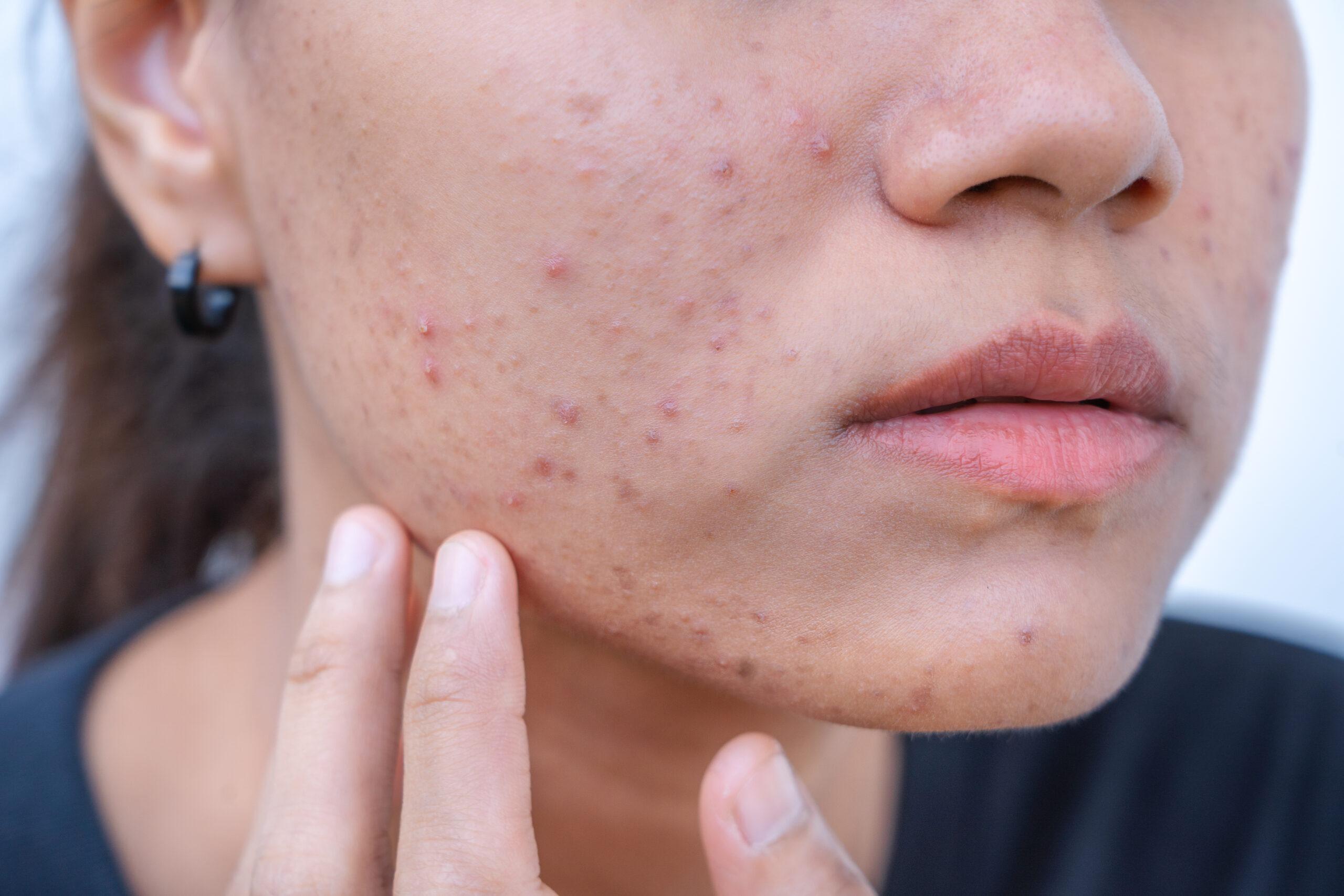
What Acne Treatment Helps Reduce the Appearance of Pores?

Visible pores are a common skin concern, particularly for people with oily skin, frequent breakouts, and uneven facial texture. Although pores are a natural part of healthy skin, excess sebum, dead skin cells, and clogged follicles can make them appear more noticeable. Choosing suitable skincare and understanding how Acne Treatment in Dubai relates to pore care can help individuals make informed decisions about maintaining a clearer-looking complexion. A balanced approach focuses on keeping pores clean, managing excess oil, and supporting the skin barrier without unnecessary irritation.
Understanding Why Pores Look Enlarged
Pores are tiny openings that allow sebum and sweat to reach the skin's surface. Their appearance varies depending on genetics, skin type, age, and natural oil production. When excess sebum mixes with dead skin cells, pores may become congested and more visible.
Acne-prone skin can also develop blackheads and whiteheads, which make the skin surface appear uneven. Understanding these contributing factors is an important step toward choosing appropriate skincare.
How Acne and Excess Oil Relate to Pore Appearance
Sebum helps lubricate and protect the skin, but excessive oil can contribute to clogged pores. When oil accumulates alongside dead skin cells, it can create comedones, including blackheads and whiteheads.
A consistent skincare routine can help manage this buildup. Rather than attempting to eliminate natural oil completely, the goal is to maintain a comfortable balance that supports healthy-looking skin.
Which Cleansers Help Keep Pores Clear?
A gentle cleanser can remove surface oil, makeup, sunscreen, and everyday impurities. People with acne-prone skin should consider products suited to their skin type instead of using harsh formulas that leave the face feeling tight. Helpful cleanser characteristics include:
-
A gentle, non-stripping formula for daily use.
-
Non-comedogenic ingredients that are less likely to contribute to clogged pores.
-
Salicylic acid in suitable formulations to help loosen the buildup inside pores.
Can Salicylic Acid Help Improve Pore Appearance?
Salicylic acid is a beta hydroxy acid commonly used in skincare designed for oily and acne-prone skin. Because it is oil-soluble, it can penetrate into pores and help loosen accumulated dead skin cells and sebum.
This ingredient is particularly relevant for blackheads, whiteheads, and congested areas around the nose, chin, and forehead. However, concentration and frequency matter. Starting with a lower-strength product and following its directions can help limit dryness and irritation.
How Retinoids Support Clearer-Looking Skin
Topical retinoids, including adapalene, are commonly used to manage acne and clogged pores. They help regulate skin-cell turnover, reducing the buildup that contributes to comedones.
By addressing congestion, these ingredients can support a smoother-looking skin surface. Some retinoids are available without a prescription in certain locations, while others require medical guidance. Retinoids may cause dryness, redness, or peeling, especially when first introduced.
Why Moisturizing Matters for Acne-Prone Skin
Oily skin still needs moisture. Skipping moisturizer can leave the skin uncomfortable and may encourage people to rely on harsh products that disrupt its protective barrier. Consider these moisturizer features:
-
Lightweight textures that feel comfortable on oily skin.
-
Non-comedogenic formulations designed to minimize pore congestion.
-
Ingredients such as glycerin or ceramides that help maintain hydration and support the skin barrier.
What Role Does Sunscreen Play in Pore Care?
Daily sun protection is an important part of maintaining healthy-looking skin. Ultraviolet exposure contributes to collagen breakdown, and changes in the skin's structural support can make pores and uneven texture more noticeable.
Choose a broad-spectrum sunscreen with SPF 30 or higher and a texture that suits acne-prone skin. A lightweight, non-comedogenic formula may be easier to incorporate into a daily routine. Sunscreen also helps protect skin that may be more sensitive when using exfoliating acids or retinoids.
Which Habits Can Make Pores More Noticeable?
Certain skincare habits can contribute to congestion, irritation, or an uneven skin surface. Avoiding these practices can help support a more balanced routine. Common habits to reconsider include:
-
Squeezing blackheads or pimples, which can cause inflammation and scarring.
-
Using rough scrubs that irritate the skin.
-
Applying heavy products that may contribute to clogged pores.
-
Switching between multiple active ingredients too frequently.
When Should Professional Acne Guidance Be Considered?
Persistent acne, deep inflammatory spots, recurring congestion, and developing scars may require individualized medical advice. A qualified dermatologist can assess the type of acne, skin sensitivity, existing skincare products, and possible contributing factors.
Depending on the concern, options may include prescription topical treatments or other medically appropriate approaches. Professional guidance is particularly valuable when over-the-counter products cause irritation or do not suit the skin's needs. Treatment choices should reflect the individual's skin condition rather than focusing exclusively on the visibility of pores.
Choosing a Routine That Suits Your Skin
An effective skincare routine does not need to contain numerous products. Consider the following principles when selecting products:
-
Identify whether the main concern is excess oil, blackheads, whiteheads, or inflamed acne.
-
Introduce one active ingredient at a time.
-
Check product labels for suitability for acne-prone skin.
-
Pay attention to irritation and simplify the routine when necessary.
Final Thoughts
Acne treatment can support a clearer-looking complexion by addressing clogged pores, excess oil, and the buildup of dead skin cells. Ingredients such as salicylic acid and topical retinoids may be useful for suitable skin types, while gentle cleansing, appropriate moisturizing, and daily sun protection help maintain overall skin health. It is also important to recognize that pores cannot be permanently eliminated, and their visibility is influenced by natural skin characteristics.