How to Maintain Workplace Safety When Bringing in Temporary Workers

Bringing temporary workers into a business can help teams manage busy periods, meet project deadlines, and respond to changing workloads. However, introducing new people to an unfamiliar workplace also requires careful planning. Every worker needs to understand the potential hazards, follow site procedures, and know how to carry out their responsibilities safely.
For businesses across New South Wales, working with a reliable workforce provider can help simplify staffing arrangements while supporting operational requirements. When sourcing casual labourers in Sydney, employers should consider not only workers' experience and availability but also their site readiness, safety awareness, and suitability for the tasks involved.
1. Provide a Thorough Workplace Safety Induction
Temporary workers may have experience in similar roles, but every workplace has its own procedures, equipment, and risks. A safety induction helps workers understand these differences before they begin their duties.
Employers and site managers should explain emergency exits, evacuation procedures, first aid arrangements, hazard reporting processes, restricted areas, and the location of essential safety equipment. Workers should also be informed about site-specific rules and the correct person to contact when they have questions or concerns.
For construction and industrial environments, the induction should reflect the actual conditions of the site. A general introduction alone may not be sufficient when workers will be exposed to specialised equipment, hazardous materials, working at heights, or other high-risk activities.
2. Match Workers to the Tasks They Are Qualified to Perform
Assigning workers to appropriate tasks is an important part of workplace risk management. Employers should assess the experience, skills, licences, and training required for each position before allocating duties.
For example, operating certain machinery or performing specialised construction work may require specific competencies or authorisations. A worker's previous experience should not automatically be treated as proof that they are qualified to perform every task.
Before work begins, supervisors should confirm that workers understand their responsibilities and have the necessary skills for the job. Where additional training or supervision is required, it should be arranged before the worker undertakes the task.
3. Supply Appropriate Personal Protective Equipment
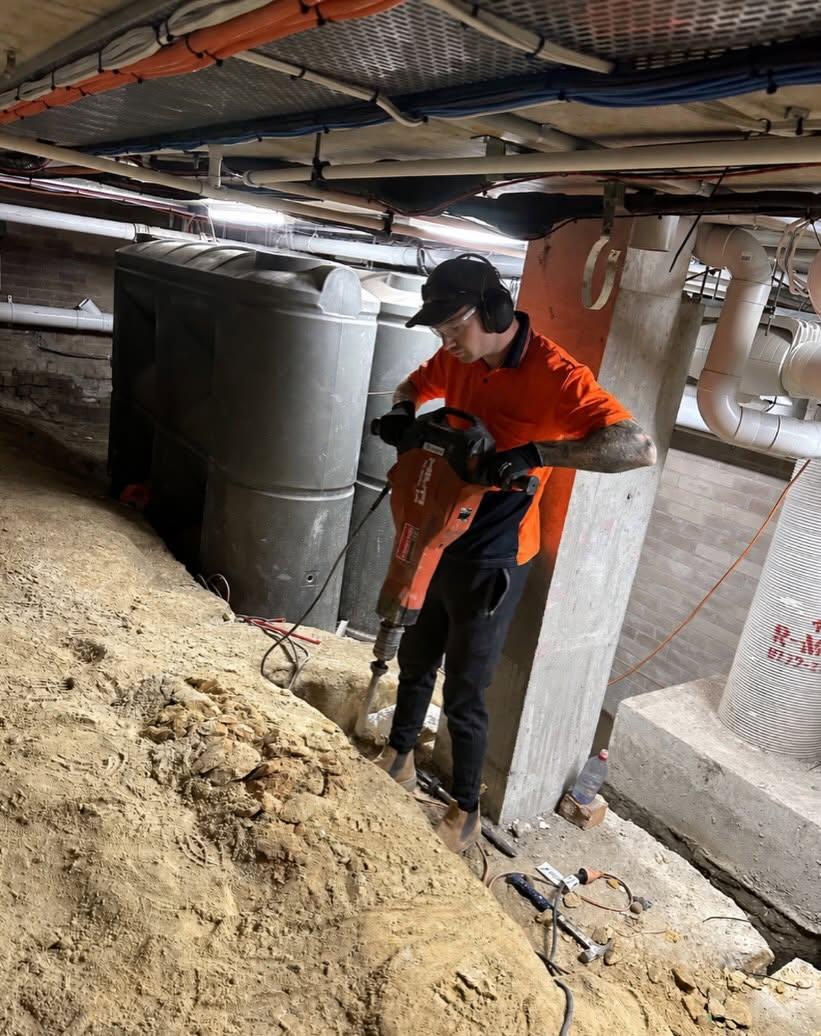
Personal protective equipment (PPE) helps reduce exposure to workplace hazards when selected and used correctly. Depending on the working environment, this may include safety boots, high-visibility clothing, hard hats, gloves, eye protection, hearing protection, or respiratory equipment.
Employers should identify the hazards associated with each task and ensure suitable equipment is available. Workers also need to understand how to wear, maintain, inspect, and replace their PPE when necessary.
Providing protective equipment is only one part of a wider safety strategy. Businesses should also implement appropriate controls to eliminate risks where possible or minimise them when elimination is not reasonably practicable.
4. Establish Clear Communication and Supervision
Clear communication helps temporary workers understand expectations and recognise when a task needs further guidance. Without proper instructions, even an experienced worker may misunderstand site procedures or overlook a hazard.
Supervisors should explain work priorities, safe operating procedures, reporting responsibilities, and the correct methods for completing assigned tasks. They should also encourage workers to raise concerns without hesitation.
Regular check-ins are particularly useful during the first shifts or when workers move to a different work area. Supervisors can identify knowledge gaps, correct unsafe practices, and confirm that workers are following the required procedures.
5. Identify Hazards Before Work Begins
Workplace conditions can change throughout the day. Deliveries, moving machinery, wet surfaces, changing weather, and overlapping activities can introduce new hazards that were not present when the shift started.
Employers should assess site conditions before work begins and review risks whenever circumstances change. Depending on the industry and task, this may involve workplace inspections, risk assessments, safe work method statements, or pre-start meetings.
Temporary workers should know how to identify hazards, report incidents and near misses, and stop work when they face an immediate safety risk. Prompt reporting allows the responsible people to investigate concerns and implement appropriate controls.
6. Make Workers Aware of Emergency Procedures
Every worker needs to know what to do if an emergency occurs. This includes understanding evacuation routes, alarm signals, assembly points, first aid arrangements, and the process for contacting emergency services when required.
Site managers should explain these procedures during induction and make sure emergency information is accessible. Workers should also know who is responsible for coordinating an evacuation and how to report an injury or dangerous incident.
Where appropriate, emergency drills and practical demonstrations can help workers become familiar with the correct response. These preparations can reduce confusion and help people act more confidently during an emergency.
7. Maintain Communication Between Employers and Labour Hire Providers
When temporary workers are supplied through a labour hire arrangement, communication between the host business and the provider is essential. Both parties should understand their respective responsibilities and coordinate arrangements that support worker safety.
Before workers arrive, the host business should communicate the role requirements, site conditions, known hazards, required qualifications, and any necessary training or protective equipment. The labour hire provider can use this information to help identify suitable workers and clarify any outstanding requirements.
Responsibilities for induction, supervision, incident reporting, and risk management should be clearly established. In Australia, labour hire arrangements can involve shared workplace health and safety duties, and these duties cannot simply be transferred or removed through an agreement.
Consistent communication also helps businesses respond quickly when work requirements change or additional safety support becomes necessary.
8. Review Safety Performance and Encourage Feedback
Workplace safety should be reviewed regularly rather than treated as a one-time induction exercise. Employers can use inspections, incident reports, worker feedback, and supervisor observations to identify areas that need improvement.
Temporary workers should have the opportunity to report problems and suggest practical improvements. They may notice hazards or process gaps that are not immediately obvious to other team members.
Businesses should investigate reported concerns, address identified risks, and communicate any changes to affected workers. This ongoing approach helps maintain safety standards even when staffing levels and work activities fluctuate.
Conclusion
Maintaining workplace safety when bringing in temporary workers requires more than filling a staffing gap. Businesses need to provide appropriate inductions, verify skills and qualifications, supply suitable protective equipment, establish clear supervision, and communicate workplace hazards effectively.
For construction, manufacturing, landscaping, and other labour-intensive industries, these measures help workers understand their responsibilities and contribute to a safer working environment. By combining careful workforce planning with consistent safety practices, businesses can manage changing workloads while keeping worker wellbeing a priority.
Frequently Asked Questions
1. Why is workplace induction important for temporary workers?
A workplace induction introduces temporary workers to site-specific hazards, emergency procedures, safety rules, equipment requirements, and reporting processes. It helps them understand how to work safely in an unfamiliar environment before starting their duties.
2. Who is responsible for the safety of temporary workers?
Responsibility depends on the work arrangement and the duties each party performs. In Australia, host businesses and labour hire providers may share workplace health and safety responsibilities. They should coordinate their activities and meet their respective legal obligations.
3. What safety equipment should temporary workers receive?
The required personal protective equipment depends on the workplace hazards and the tasks being performed. Common examples include safety boots, high-visibility clothing, hard hats, gloves, eye protection, and hearing protection. Equipment should be appropriate for the identified risks.
4. How can businesses ensure temporary workers have the right skills?
Businesses should check relevant experience, licences, qualifications, and task-specific training before assigning duties. They should also confirm that workers understand site procedures and provide additional instruction or supervision where required.
5. How can businesses maintain safety when staffing needs change frequently?
Businesses can maintain consistent standards by using documented induction procedures, clear task instructions, regular site inspections, effective supervision, and reliable communication with workforce providers. Safety requirements should remain consistent regardless of how long a worker is engaged.
6. What should temporary workers do if they identify a workplace hazard?
Workers should follow the site's hazard reporting procedures, notify their supervisor or designated safety representative, and avoid exposing themselves or others to immediate danger. Work should be stopped when necessary to manage an immediate risk, in accordance with workplace procedures and applicable requirements.