Busting Seven Myths About a Coorg Trip With Friends

Every friend group has the same conversation. Someone says “we should go somewhere,” someone else says “yes, definitely,” and six months later nothing has happened. When a trip finally does get booked, it is usually planned on a handful of assumptions, and most of them are slightly wrong.
Coorg is a good fit for a group of friends, but only if you plan around what the place actually offers. Here are the myths that cause the most trouble.
Myth 1: “Hill stations are boring for groups”
Reality: It depends on what you expect. Coorg is not a nightlife destination, and that is its strength. The entertainment is the kind that works for a group: a morning trek, a river activity, a long meal and an evening of cards, music and conversation that goes on later than anyone planned.
The activities are real, too. Tadiandamol, the highest peak in Kodagu, makes a rewarding day trek in the cooler months. Dubare offers river activities and elephant interactions, and when the water levels allow, rafting on the Kaveri is a popular group outing. Nothing here needs a schedule, and that is the point.
Myth 2: “More activities means a better trip”
Reality: Groups that pack five stops into a day spend most of it in the car. Hill roads wind, and an hour on the map is often closer to ninety minutes on the road. Pick one main activity per day and leave the rest of the day loose.
A good group trip has a shape: one outing in the morning, a long lunch, a gap, and an evening together. The gap is where the best stories come from.
Myth 3: “Everyone should just book rooms wherever they find space”
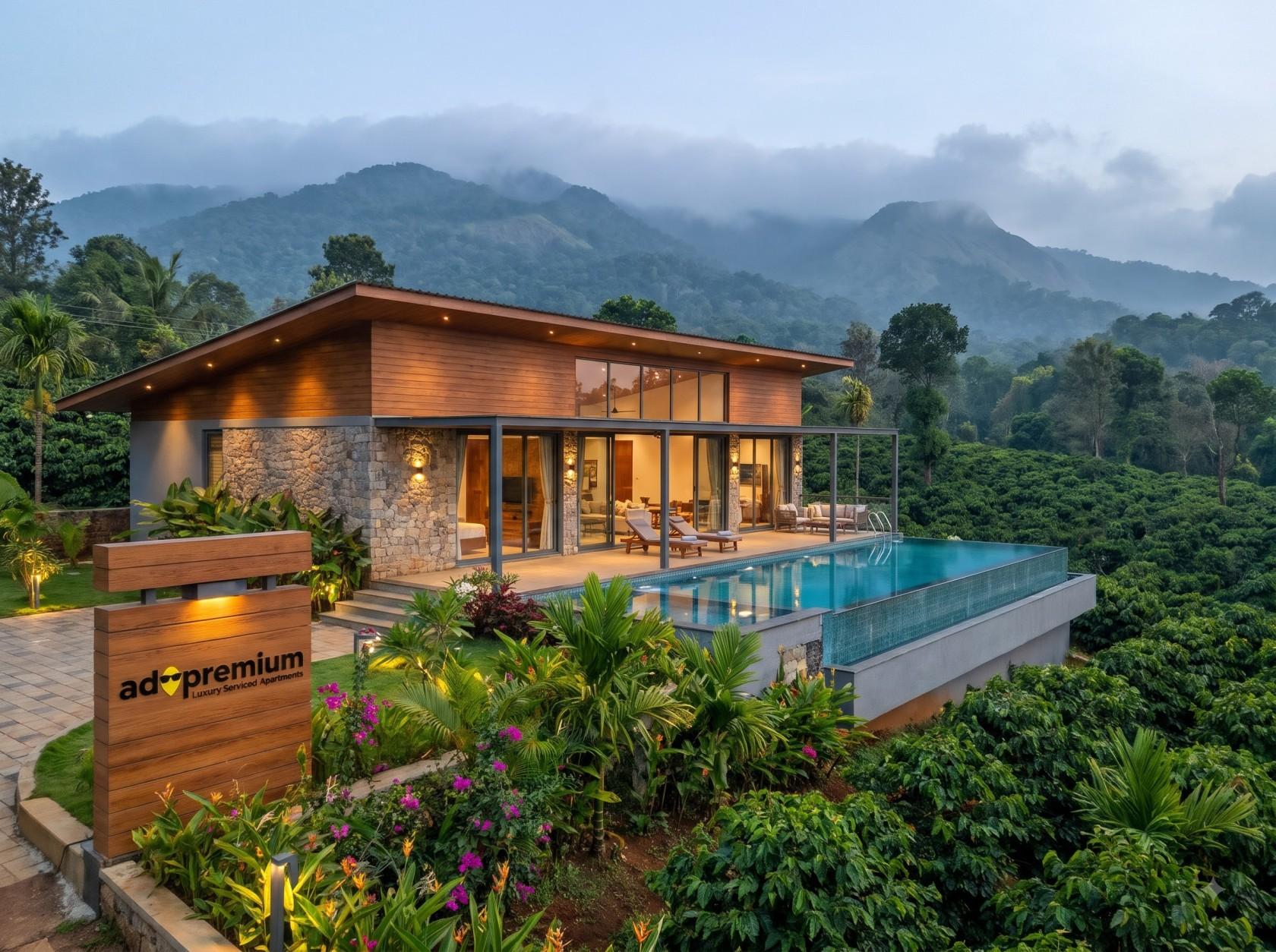
Reality: This is the quickest way to turn a group trip into a coordination exercise. Scattered rooms mean scattered plans, and half the group is always somewhere else. The better approach is a single private property with shared spaces, which is why groups tend to look at estate-set luxury villas in Coorg, where a common lounge, a lawn and a dining table hold the whole group together while individual bedrooms keep everyone’s privacy intact. Check the bedroom count and bathroom layout against your headcount before you pay a deposit, because “sleeps ten” and “sleeps ten comfortably” are different claims.
Myth 4: “Someone will sort out the food”
Reality: Someone does, and it is usually the same person who organised everything else. Meals are the most common point of friction on a group trip, with arguments about where to eat, who is paying and why lunch is at four.
The simplest fix is a property with an in-house cook. Adopremium manages private villas in Coorg where meals are part of the stay, so a group can eat regional food together without anyone driving into town to find a table for twelve. Whatever you choose, share dietary needs in advance, since groups usually include at least one vegetarian and one person who is fussy about spice. Then let the cook introduce the group to Kodava dishes such as pandi curry, noolputtu and kadambuttu, which tend to start more conversations than any playlist.
Myth 5: “The weather won’t matter”
Reality: It matters a great deal, and it changes what kind of trip you will have.
- October to February: Cool, clear and ideal for treks, drives and outdoor evenings. This is the safest window for a group with mixed energy levels.
- March to May: Warmer, quieter and less crowded, with the chance of catching the coffee blossom after the first showers.
- June to September: Heavy rain, thick mist and roaring waterfalls. Wonderful for a group that wants to stay in and talk, frustrating for one that wants to hike.
Match the season to the group, not the other way round.
Myth 6: “Splitting costs is easy”
Reality: It is easy until someone realises they are covering a room they barely used. Agree on the split before the trip, not during it. Decide who pays the booking deposit, how shared costs such as fuel, meals and activities will be divided, and whether anyone is arriving late or leaving early.
A shared note on someone’s phone, updated each evening, is more useful than a spreadsheet nobody opens. It also stops the awkward conversation at the end of the trip.
Myth 7: “We’ll figure out the drive when we get there”
Reality: Roads in Coorg reward planning. The drive from Bengaluru takes roughly five to six hours, and from Mysuru about three. Leave early to avoid arriving after dark on winding stretches, and share the route and the driver rotation in advance.
Once you arrive, avoid driving at night between sightseeing spots. The hills look wonderful in the daytime and unforgiving after sunset, and a group that stays put in the evenings tends to have a better time.
What a Good Group Trip Actually Looks Like
A relaxed rhythm usually works best:
- Day one: Arrive, settle in, cook-led dinner, early night
- Day two: Morning trek or river activity, long lunch, free afternoon, evening games
- Day three: Late start, coffee estate walk, a viewpoint at sunset
- Day four: Slow breakfast, last group photos, an early departure
Note how little of this depends on booking anything. The plan works because it leaves room for the group to decide, which is where friendships tend to show up.
The Trip Worth Making Happen
Most group trips fail at the planning stage, not on the road. The ones that succeed have a clear base, a light itinerary, a sensible budget and a date that is actually fixed.
So pick the dates, name a person to hold the deposit, and send the message you have been meaning to send. The hills will do the rest.