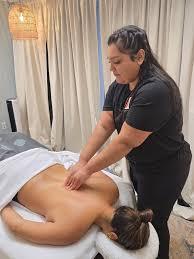
Deep Tissue Massage in Santa Rosa, CA: A First-Timer's Complete Guide

If you have never booked a deep tissue massage, it can be hard to know what to expect. Will it hurt? How firm is too firm? How often should you go? These are common questions, and the answers help you get far more from your first appointment. This guide is an introduction to deep tissue sessions for anyone considering deep tissue massage in Santa Rosa, CA. It explains what the treatment is, how to prepare, what happens during a session, how to communicate about pressure and how to plan follow-up visits, so you can walk in feeling informed and relaxed.
What Deep Tissue Massage Is
Deep tissue massage is a style of bodywork that uses slow, firm pressure to reach the deeper layers of muscle and the connective tissue around them. Instead of gliding lightly over the surface, the therapist works along the direction of the muscle fibers and spends more time on areas that feel tight, knotted or restricted.
It is often described as more focused than a relaxation massage. The aim is not to cause pain but to apply steady, targeted pressure so that tense tissue can gradually soften. Many people choose it for long-standing tightness in the neck, shoulders, back and hips, though it can be adapted for almost any area of the body. A good session feels deep and purposeful, with the pressure adjusted to what your body can comfortably handle.
Who Deep Tissue Massage Is For
Deep tissue massage suits a wide range of people. Those who spend long hours at a desk often carry tension in the neck, upper back and hips. People with physical jobs or active hobbies may feel tightness in the shoulders, lower back and legs. Others simply notice that certain muscles never seem to loosen up, no matter how much they stretch.
It is not the only option, though. If you are mainly looking for relaxation, a lighter style may feel better. If you are not sure, tell your therapist what you want to achieve, such as easing stiffness, feeling more relaxed or supporting an active routine, and they can suggest the right approach. Being open about your goals is the best way to get a session that fits you.
Before Your Appointment
A little preparation makes your first visit smoother. Consider the following:
-
Think about your goals. Decide which areas feel tight and what you hope to feel afterward.
-
Note any health details. Be ready to mention injuries, surgeries, medications, pregnancy and any conditions that might affect the session.
-
Arrive a few minutes early. This leaves time to fill in any forms and settle in without rushing.
-
Eat lightly. A heavy meal right before can make lying down uncomfortable.
-
Drink water. Being well hydrated helps you feel better before and after.
-
Wear comfortable clothes. You will be properly draped during the session, but easy clothing is nice to return to afterward.
If you take blood thinners or have a medical condition, check with your doctor before booking.
What Happens During the Session
Your session will usually begin with a short conversation. The therapist asks where you feel tension, how long it has been there and what you would like from the session. They will also ask about anything that needs special care.
You then lie on a massage table, covered with a sheet or towel, with only the area being worked on uncovered. The therapist usually starts with lighter strokes to warm the muscles, then gradually builds to deeper pressure in the areas that need it. Slow, sustained pressure on tight spots is a hallmark of the work. You may feel a deep, working sensation, and sometimes a tender spot as tension releases, but it should stay within a range you can breathe through. Other areas of the body are kept comfortable throughout.
Communicating About Pressure
Deep does not mean as hard as possible. The most effective pressure is the amount your muscles can accept without tensing up against it. If it feels too intense, your body may tighten, which works against the goal.
A simple scale from 1 to 10 can help. A 1 is barely any pressure, and a 10 is the most you could tolerate. Most deep tissue work feels best somewhere around a 6 to 7, a firm and productive sensation without sharpness. Speak up whenever you need a change. Helpful phrases include "a little lighter," "a little deeper" or "that spot is tender." Good therapists welcome feedback, because it helps them tailor the session to you.
Right After Your Session
Many people feel looser, lighter and calmer after a deep tissue massage, though some feel tired. Give yourself a little time to move slowly before you return to a busy schedule.
Here are some helpful habits:
-
Drink water to stay comfortably hydrated.
-
Take it easy for the rest of the day, avoiding very intense exercise right away.
-
Try gentle movement such as a walk or light stretching.
-
Use warmth such as a warm shower or bath if you feel mildly sore.
-
Eat a balanced meal and get a good night's sleep.
These simple steps help you enjoy the benefits for longer.
How Often Should You Book?
There is no single schedule that fits everyone. The right frequency depends on your goals, your budget and how your body responds.
-
For a specific problem area: Some people start with sessions every one to two weeks for a short period, then space them out as they feel better.
-
For ongoing maintenance: Once every three to four weeks is a common rhythm for people with demanding jobs or active routines.
-
For occasional relief: A session every couple of months can still help you reset when tension builds up.
A good approach is to begin with one session, notice how you feel over the next few days and discuss a plan with your therapist. They can suggest a schedule that matches your needs and adjust it over time.
Normal Soreness Versus Warning Signs
Mild soreness for a day or two after deep work is common, much like the feeling after a good workout. It usually fades on its own and often responds well to water, gentle movement and warmth.
Some signs, however, should not be ignored. Contact a healthcare professional if you notice sharp or worsening pain, significant swelling or bruising, numbness or tingling that does not go away, or soreness that lasts well beyond a few days. These are not typical effects of a massage and deserve proper assessment. Always tell your therapist if something feels wrong during the session so they can adjust right away.
Common Questions From First-Timers
Will it hurt? You may feel deep pressure and some tenderness in tight spots, but it should not be sharp or unbearable. Speak up if it is too much.
Do I have to undress? You undress to your comfort level and are covered with a sheet or towel throughout. Only the area being worked on is uncovered.
Is deep tissue the same as a hard massage? Not exactly. It uses slow, focused pressure, but the intensity should be adjusted to what your body can accept.
How long is a typical session? Sessions commonly range from about an hour to ninety minutes, though lengths vary, so check when you book.
Can I talk during the massage? Yes, especially about pressure, but you are also free to stay quiet and relax.
Who should check with a doctor first? Anyone who is pregnant, takes blood thinners, or has an injury, clotting disorder, severe osteoporosis or another medical condition.
Start Your First Session With Confidence
A first deep tissue massage does not have to feel mysterious. Know your goals, share your health details, speak up about pressure and give yourself time to rest afterward, and you will get far more out of the experience. Over time, you and your therapist can build a routine that keeps tension from piling up. When you are ready to schedule your first appointment, tell the therapist what you would like to focus on so the session can be tailored to you. This article is general information, not medical advice.
About Jessie Jing Massage
Jessie Jing Massage is a massage studio in Santa Rosa, California, offering deep tissue and therapeutic bodywork. Visit the website to learn more and schedule your session.