


How Professional Mental Health Care Supports Long-Term Emotional Well-Being
Emotional well-being is not built overnight. It develops through consistent care, healthy coping strategies, supportive relationships, and access to professional guidance when challenges arise. In today’s fast-paced world, people are exposed to constant pressures—from work demands and financial responsibilities to social expectations and personal transitions. While occasional stress is part of life, prolonged emotional strain can lead to anxiety, depression, burnout, and relationship conflicts that gradually erode overall quality of life.
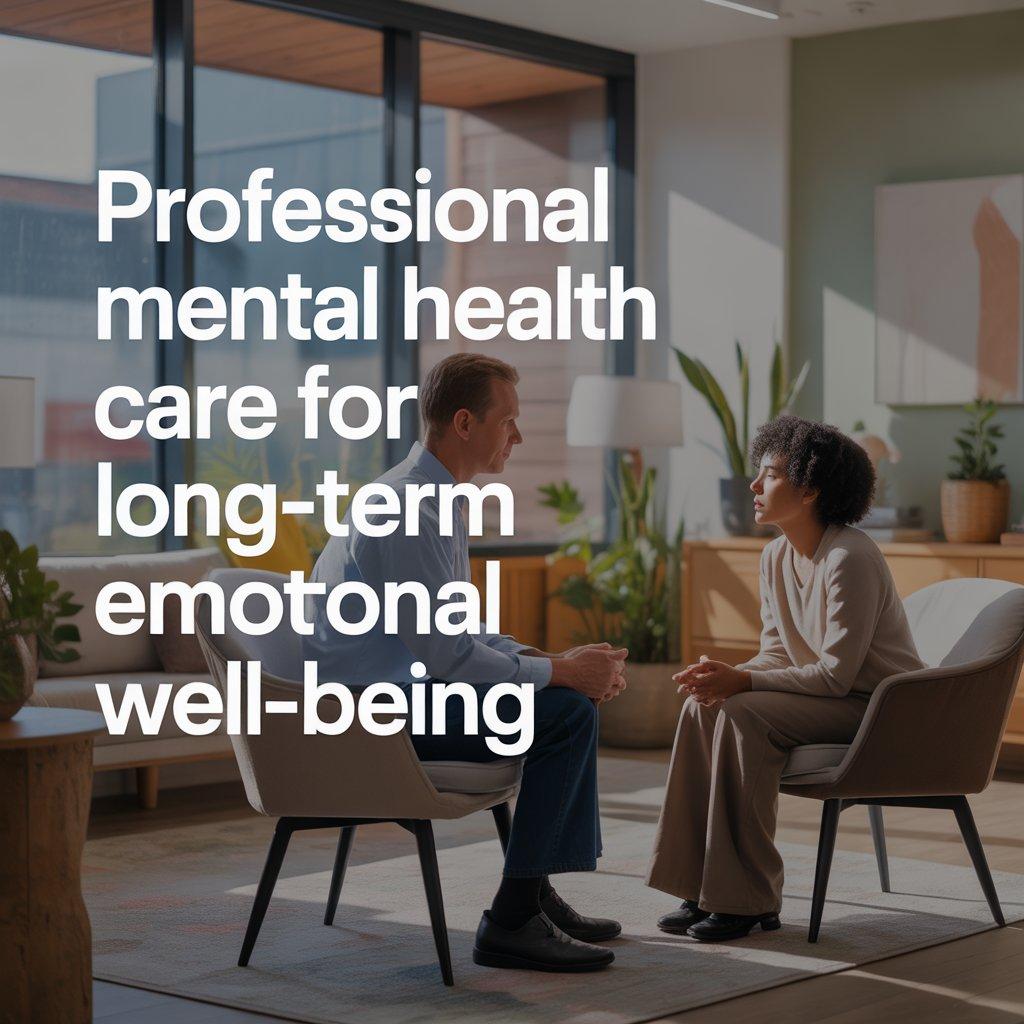
Professional mental health care for long-term well-being plays a crucial role in helping individuals maintain emotional balance and resilience. Many people seek help only when distress becomes overwhelming, yet mental health support is most effective when viewed as an ongoing investment in wellness rather than an emergency solution. Just as physical health benefits from regular checkups and preventive care, emotional health thrives when individuals receive timely support and guidance.
Professional mental health services offer individuals tools to manage stress, process emotional experiences, and build habits that support long-term stability. Therapy and psychiatric support help people understand their emotional patterns, improve coping mechanisms, and address underlying issues that contribute to distress. With professional guidance, individuals learn to navigate life’s challenges with greater confidence and clarity.
This article explores how professional mental health care contributes to lasting emotional well-being, why consistent support matters, and how individuals can benefit from proactive engagement with mental health services throughout different stages of life.
Understanding Long-Term Emotional Well-Being
Long-term emotional well-being refers to a sustained state of mental and emotional balance that allows individuals to function effectively in daily life while coping with stress and change. It does not mean constant happiness; rather, it reflects the ability to experience a full range of emotions without becoming overwhelmed or stuck in distress.
Emotionally healthy individuals can handle setbacks, adapt to change, and maintain meaningful relationships. They possess coping skills that help them respond thoughtfully instead of reacting impulsively. However, emotional well-being can fluctuate due to life events, trauma, stress, or biological factors.
Professional mental health care helps individuals strengthen emotional resilience, ensuring that temporary challenges do not become long-term struggles.
Why Professional Support Matters Over Time
Mental health challenges often develop gradually. Stress accumulates, unresolved emotional issues persist, and unhealthy coping mechanisms form over time. Without professional intervention, individuals may normalize distress, believing emotional discomfort is unavoidable.
Professional support helps individuals identify issues early, preventing them from escalating into severe mental health conditions. Therapists and psychiatrists guide individuals through emotional processing, helping them address problems at their root rather than merely managing surface symptoms.
Long-term care also supports individuals during major life transitions such as career changes, relationship challenges, parenthood, or aging. Having professional support available during these periods promotes smoother adjustment and reduces emotional strain.
Therapy as a Foundation for Emotional Growth
Therapy serves as a cornerstone of professional mental health care. Counseling sessions provide a safe environment where individuals can explore thoughts, emotions, and behaviors with guidance from trained professionals.
Therapy helps individuals identify patterns that contribute to stress or dissatisfaction. By understanding how past experiences influence present reactions, clients gain insight into emotional triggers and learn healthier ways to cope.
Techniques such as cognitive behavioral therapy teach individuals to challenge negative thinking patterns and develop constructive responses to challenges. Mindfulness and stress-management techniques further enhance emotional regulation.
Individuals seeking professional guidance may benefit from consulting a Therapist in Charlotte, NC, who can provide personalized support tailored to their emotional needs and life circumstances.
The Role of Psychiatric Care in Long-Term Wellness
While therapy addresses emotional and behavioral patterns, psychiatric care focuses on biological aspects of mental health. Some individuals experience mental health conditions influenced by brain chemistry or genetic factors that require medical evaluation.
Psychiatrists assess symptoms and determine whether medication may help stabilize mood or reduce anxiety. Medication does not replace therapy but can enhance recovery by reducing symptom intensity, allowing individuals to participate more effectively in counseling.
Working with a Psychiatrist in Charlotte, NC ensures that individuals receive comprehensive care that considers both psychological and physiological components of mental health, supporting long-term emotional stability.
Preventing Mental Health Crises Through Ongoing Care
One of the greatest benefits of professional mental health care is crisis prevention. Many emotional crises result from untreated stress or unresolved issues that accumulate over time.
Regular counseling sessions help individuals recognize warning signs early. Emotional changes such as persistent sadness, irritability, sleep problems, or social withdrawal can be addressed before they intensify.
Ongoing professional support reduces the likelihood of hospitalization or emergency mental health situations by providing continuous coping tools and emotional guidance.
Building Healthy Coping Mechanisms
Long-term emotional well-being depends heavily on coping strategies. Without effective coping skills, individuals may turn to unhealthy habits such as substance use, emotional withdrawal, or avoidance behaviors.
Therapy teaches practical coping mechanisms that promote resilience. Clients learn relaxation techniques, problem-solving strategies, and emotional regulation skills that help them navigate stress.
Developing healthy routines, including exercise, balanced nutrition, and adequate sleep, also supports emotional stability. Professional guidance encourages individuals to adopt habits that contribute to overall wellness.
Improving Relationships Through Mental Health Care
Emotional well-being directly influences relationships. Stress and unresolved emotional issues can lead to misunderstandings, irritability, and communication breakdowns.
Professional mental health care helps individuals improve communication skills and emotional awareness. Therapy sessions often focus on building empathy, resolving conflicts constructively, and expressing needs clearly.
Couples or family therapy may also be recommended when relationship challenges contribute to emotional distress. Strengthened relationships support long-term emotional health and social connection.
Supporting Career and Productivity
Mental health significantly affects workplace performance and job satisfaction. Chronic stress, anxiety, or depression can reduce concentration, motivation, and productivity.
Professional support helps individuals manage work-related stress and develop strategies for maintaining work-life balance. Counseling can also guide career transitions or help individuals cope with workplace conflicts.
Employees who receive mental health support often experience improved confidence and job satisfaction, benefiting both individuals and organizations.
Addressing Emotional Challenges Across Life Stages
Emotional needs evolve throughout life. Adolescents face identity development challenges, young adults encounter career and relationship decisions, and older adults may experience loneliness or retirement adjustments.
Professional mental health care provides support tailored to each stage of life. Counseling helps individuals navigate transitions while maintaining emotional stability.
Recognizing that emotional support remains valuable throughout life encourages proactive engagement with mental health services.
Reducing Stigma Around Mental Health Care
Although awareness of mental health issues has increased, stigma still prevents many individuals from seeking support. Some fear judgment or believe they should manage emotional challenges independently.
Education and open conversations help normalize professional mental health care as part of overall wellness. Seeking support demonstrates strength and self-awareness rather than weakness.
Communities that encourage mental wellness create environments where individuals feel comfortable accessing care when needed.
Encouraging Preventive Mental Health Care
Preventive mental health care emphasizes maintaining emotional wellness rather than waiting for problems to arise. Regular counseling sessions provide opportunities for reflection and skill development even during stable periods.
Preventive care promotes self-awareness and resilience, enabling individuals to handle future challenges effectively. Employers, schools, and community organizations increasingly support preventive mental wellness programs.
Long-Term Benefits of Professional Mental Health Support
Individuals who engage in professional mental health care often experience lasting benefits. Improved emotional regulation enhances decision-making and problem-solving abilities.
People develop stronger relationships and increased self-confidence. They learn to navigate challenges with resilience rather than fear. Emotional awareness fosters personal growth and satisfaction.
Most importantly, professional support empowers individuals to build fulfilling lives grounded in emotional stability.
Conclusion: Investing in Emotional Well-Being for the Future
Professional mental health care for long-term well-being provides individuals with tools to manage life’s challenges while maintaining emotional balance. Therapy and psychiatric support address both emotional and biological factors, creating comprehensive pathways toward wellness.
Seeking professional support should be viewed as an investment in personal growth and long-term happiness rather than a last resort during crisis. With guidance, individuals strengthen coping skills, improve relationships, and develop resilience that supports future success.
Emotional well-being is not achieved by avoiding challenges but by learning how to navigate them effectively. Professional mental health care offers the support necessary to move through life with confidence, clarity, and lasting emotional stability.


 Arabic
 French
 Spanish
 Portuguese
 Deutsch
 Turkish
 Dutch
Dutch
 Italiano
 Russian
 Romaian
 Portuguese (Brazil)
 Greek
Greek