


How to Choose the Right Kids Scooter
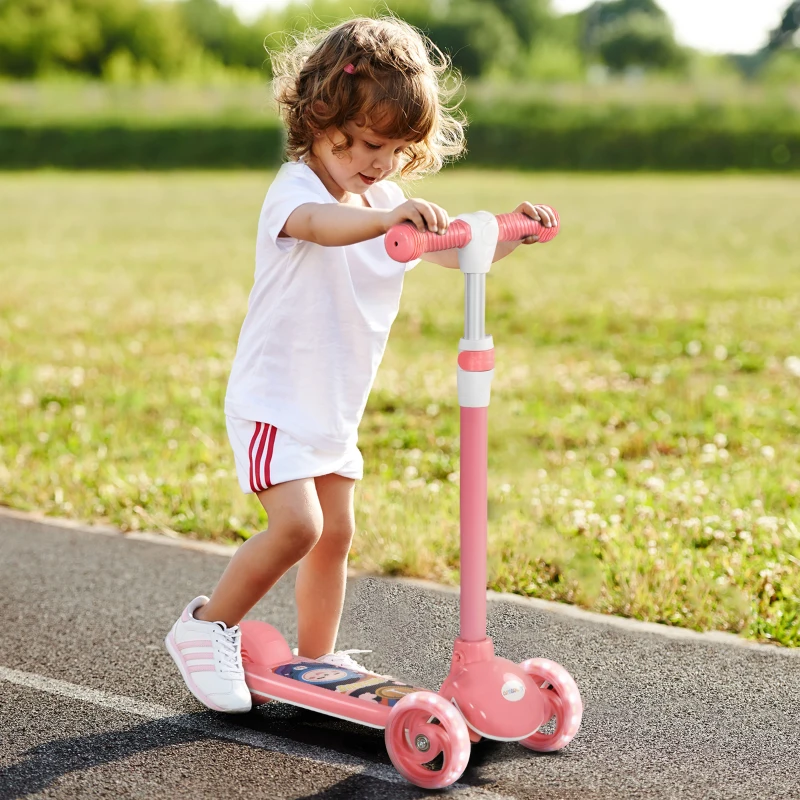
Choosing the right kids scooter is not just about picking a bright colour or the trendiest design. The right scooter supports balance, builds confidence, and keeps rides smooth and safe. With so many styles available, understanding age range, wheel type, deck size, and safety features makes the decision much easier.
Start With Your Child’s Age and Stage
Age is the first filter when selecting a scooter, but balance ability and confidence matter just as much.
Toddlers (2–4 years)
Best option: 3-wheel scooters
-
Two wheels in the front for extra stability
-
Lean-to-steer design (turn by shifting body weight)
-
Lower deck for easier stepping on and off
-
Lightweight frame
At this stage, stability is more important than speed. A wider base helps prevent tipping and makes learning smoother.
Young Children (4–7 years)
Best option: 3-wheel or beginner 2-wheel scooters
-
Adjustable handlebar height
-
Slightly larger wheels
-
Rear foot brake
Children in this age range develop better coordination. If they are confident and active, they may be ready to transition to two wheels.
Older Kids (7+ years)
Best option: 2-wheel scooters
-
Larger wheels (120mm–145mm or more)
-
Stronger frame (aluminum or steel)
-
Higher weight capacity
Two-wheel scooters allow faster rides and sharper turns. They’re ideal for kids who already have solid balance.
Check Handlebar Height Adjustment
Proper handlebar height prevents strain and improves control.
A good rule:
-
Handlebars should sit between the waist and chest.
-
Arms should be slightly bent while riding.
Adjustable handlebars are a smart investment because they grow with your child and extend the scooter’s lifespan.
Understand Wheel Size and Material
Wheel size affects speed and comfort.
-
Small wheels (100mm–120mm): Lighter, easier to control, best for beginners
-
Medium wheels (120mm–145mm): Smoother ride on sidewalks
-
Large wheels (145mm+): Faster and better for longer distances
Most quality scooters use polyurethane wheels, which provide good grip and shock absorption.
If your child rides on uneven pavement or rough pathways, slightly larger wheels will feel more stable.
Consider the Riding Surface
Where will the scooter be used most?
-
Smooth sidewalks
-
Driveways
-
Park pathways
-
School grounds
If the scooter will mainly be used outdoors on slightly rough surfaces, choose a model with stronger bearings and durable wheels. For indoor or smoother surfaces, lighter designs work well.
When browsing different kids scooters, compare wheel size, deck width, and frame material together rather than focusing on just one feature.
Look at Deck Size and Grip
The deck (where your child stands) should be:
-
Wide enough for both feet (for beginners)
-
Covered with anti-slip grip tape
-
Low to the ground for easier pushing
A low deck reduces effort while riding and improves balance, especially for younger children.
Brake System Matters
Most scooters use a rear fender brake, which is pressed down with the back foot.
Check for:
-
Smooth braking response
-
Solid metal brake (not thin plastic)
-
Easy reach for small feet
Reliable braking gives children confidence and helps prevent sudden falls.
Weight Capacity and Frame Strength
Every scooter has a maximum weight recommendation. Always check this before buying.
-
Lightweight plastic models are suitable for toddlers
-
Aluminum frames offer strength without adding too much weight
-
Steel frames are durable but heavier
A sturdy frame prevents wobbling and increases long-term durability.
Foldable vs Non-Foldable Scooters
Foldable Scooters
-
Easy to store
-
Convenient for travel
-
Good for school commutes
Non-Foldable Scooters
-
Often more stable
-
Fewer moving parts
-
Slightly stronger frame structure
If storage space is limited, a foldable design is practical. If stability is the top priority, a fixed frame may feel sturdier.
Safety Features to Prioritize
While the scooter design matters, safety accessories are equally important.
Look for:
-
Non-slip handlebars
-
Rounded edges
-
Secure locking mechanisms
-
Reflective elements for visibility
Always pair a scooter with:
-
A properly fitted helmet
-
Closed-toe shoes
-
Supervision for younger riders
Growth-Friendly Features
To get the most value, consider features that extend usability:
-
Adjustable handlebar height
-
Higher weight limit
-
Replaceable wheels
-
Durable bearings
These details allow the scooter to last through growth spurts and increased riding skills.
Balance Style vs Practicality
It’s natural for children to be drawn to colours and designs. While appearance matters for excitement, focus first on:
-
Stability
-
Comfort
-
Proper fit
-
Safety
Once those boxes are checked, let your child choose the design they love. A scooter they’re proud of is one they’ll use more often.
Quick Checklist Before Buying
Use this simple checklist:
-
✔ Correct age range
-
✔ Adjustable handlebar height
-
✔ Suitable wheel size
-
✔ Strong brake
-
✔ Proper weight capacity
-
✔ Anti-slip deck
-
✔ Durable frame
If most of these boxes are ticked, you’re likely making a solid choice.
Smooth Rides Ahead
Choosing the right kids scooter comes down to matching the scooter’s features with your child’s age, ability, and riding environment. Focus on balance, wheel size, handlebar height, and safety components. A well-chosen scooter encourages outdoor activity, builds coordination, and creates everyday fun.


 English
 Arabic
 French
 Spanish
 Portuguese
 Deutsch
 Turkish
 Italiano
 Russian
 Romaian
 Portuguese (Brazil)
 Greek
Greek