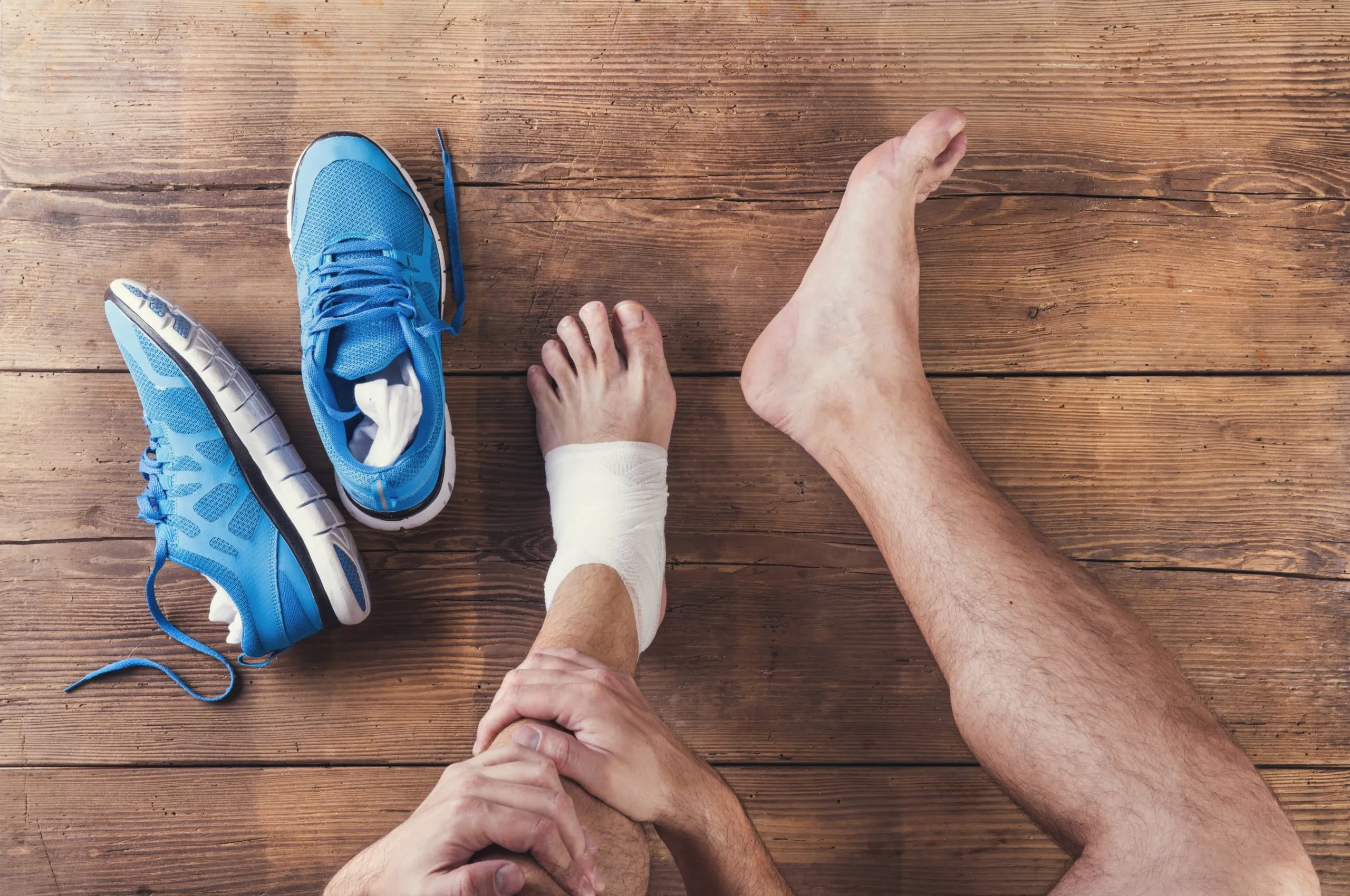

Healthy feet are fundamental to freedom of movement and an active life. Yet foot health is often neglected in daily wellness routines. Millions of people experience preventable foot pain each year. Poor footwear choices, inadequate care, and overuse are the primary culprits. With thoughtful habits and professional support, foot pain is largely avoidable. This article provides practical strategies for maintaining healthy feet year-round.
The Anatomy of Healthy Foot Function
The foot is an architectural marvel of the human body. It contains 26 bones, 33 joints, and over 100 muscles and ligaments. These structures work together to absorb shock and propel movement. The three arches of the foot distribute weight during walking and running. The plantar fascia is a critical supportive structure of the medial arch. Healthy foot function depends on all these structures working in harmony. When one component is compromised, the entire system is affected. Understanding foot anatomy helps you appreciate why daily care matters so much.
How Foot Problems Affect the Rest of the Body
Foot problems have far-reaching effects beyond local pain and discomfort. Altered foot mechanics change gait patterns throughout the entire body. This affects the knees, hips, pelvis, and even the lumbar spine. Overpronation, for example, causes internal rotation of the tibia bone. This internal rotation increases stress on the knee joint over time. Hip and lower back pain often have root causes in the feet. Addressing foot health therefore benefits the musculoskeletal system holistically. A healthy foundation supports the entire kinetic chain above it.
Daily Foot Care Habits
Establishing a daily foot care routine prevents most common problems. Wash your feet thoroughly with warm water and mild soap daily. Dry carefully between the toes to prevent fungal infections from developing. Inspect your feet daily for cuts, blisters, or any changes in skin color. Moisturize the heels and soles to prevent cracking and callus buildup. Trim toenails straight across to prevent painful ingrown nail development. Avoid cutting nails too short, as this increases infection risk significantly. This simple routine takes only a few minutes but yields enormous benefits.
Managing Calluses and Corns Effectively
Calluses and corns are the skin's protective response to friction. They develop most commonly on the ball of the foot, heel, and toes. While they are a natural response, excessive calluses can become painful. Soak your feet in warm water to soften thickened skin before filing. Use a pumice stone or foot file to gently reduce callus thickness. Apply a moisturizing cream immediately after filing for maximum softening effect. Identify the source of friction, such as ill-fitting shoes, and address it. Never attempt to cut calluses with sharp instruments at home.
Choosing the Right Footwear
Footwear choice is perhaps the single most impactful factor in foot health. Shoes that are too narrow compress the toes and cause bunions. High heels shift body weight forward onto the sensitive forefoot area. Completely flat shoes offer insufficient arch support for most people. Choose shoes that match the shape of your foot closely. There should be approximately one thumb's width of space at the toe. The heel counter should be firm and supportive to control rearfoot motion. Replace athletic shoes regularly before cushioning becomes excessively compressed.
Socks and Their Role in Foot Health
Socks play a more significant role in foot health than most realize. Moisture-wicking socks keep feet dry and reduce blister formation. Seamless socks prevent friction at vulnerable areas on the foot. Compression socks improve circulation in people who stand for long hours. Avoid wearing socks that are too tight around the ankles or toes. Choose natural materials like merino wool or bamboo for better breathability. Replace worn-out socks that have lost their cushioning and structural integrity. Proper sock selection complements good footwear choices for optimal foot protection.
Exercise for Stronger and Healthier Feet
Targeted foot exercises build strength and improve intrinsic muscle function. Toe spreading exercises improve the dexterity and strength of individual toes. Short foot exercises activate the intrinsic arch-supporting muscles effectively. Calf raises build the gastrocnemius and soleus muscles that support the heel. Towel scrunching with the toes strengthens the flexor muscles of the foot. Marble pickup exercises using toes improve fine motor control in the feet. Balance exercises on one leg build proprioception and ankle stabilizing strength. Incorporate five minutes of foot exercises into your daily morning routine.
Walking Barefoot on Natural Surfaces
Barefoot walking on safe natural surfaces strengthens foot muscles naturally. Grass, sand, and smooth pebbles provide varied sensory stimulation for the feet. This stimulation improves proprioception and neuromuscular foot control. Barefoot walking on sand specifically challenges intrinsic foot muscles intensely. Transition to barefoot walking gradually to avoid overloading unprepared tissues. Begin with five to ten minutes daily and increase slowly over weeks. Always avoid barefoot walking on hard surfaces like concrete or asphalt. This natural approach is a powerful complement to regular foot strengthening exercises.
Managing and Preventing Heel Pain
Heel pain is one of the most common foot complaints in adults. Plantar fasciitis accounts for the vast majority of heel pain cases. Prevention begins with supportive footwear worn consistently each day. Never walk barefoot on hard floors, especially first thing in the morning. Stretch the plantar fascia and calf muscles regularly as prevention. When heel pain does develop, addressing it early is crucial. Resting from high-impact activities temporarily allows irritated tissue to recover. For persistent heel problems that do not resolve with self-care, professional Heel injury treatment from a specialist podiatrist provides targeted therapies including shockwave treatment, taping, and customized orthotic solutions. Seeking care early prevents acute heel pain from becoming a chronic condition.
Stretching Routines for Heel and Arch Health
Consistent stretching maintains the flexibility of plantar and Achilles structures. The wall calf stretch is the most fundamental for heel pain prevention. Stand arm's length from a wall and press your heel firmly into the floor. Hold each stretch for 30 seconds and repeat three times per leg. The plantar fascia stretch involves pulling your toes back toward your shin. Perform this stretch before taking your first steps each morning. The towel stretch uses a rolled towel to stretch the foot from a seated position. Regular stretching as a preventive habit takes only minutes but saves significant pain.
Nutrition for Foot Health
Nutritional choices affect every tissue in the feet and lower limbs. Adequate collagen intake supports ligaments, tendons, and fascia integrity. Vitamin C is essential for natural collagen synthesis in the body. Calcium and vitamin D maintain bone density in the 26 bones of the foot. Magnesium supports muscle relaxation and reduces cramping in foot muscles. Anti-inflammatory foods reduce chronic inflammation in plantar fascia tissue. Staying well-hydrated maintains the elasticity of connective tissues throughout the foot. A nutrient-rich diet supports every structural component of a healthy foot.
Conclusion
Healthy feet require consistent daily attention and intelligent preventive care. Simple habits like proper hygiene, moisturizing, and nail care matter enormously. Footwear selection is one of the most influential factors in foot health. Targeted exercises build the strength that protects foot structures from strain. Professional care provides solutions when self-care approaches reach their limits. Heel pain and foot discomfort are largely preventable with the right strategies. Start implementing these practical tips into your daily routine today. Your feet carry you through life — they deserve consistent and thoughtful care.
Title: Practical Ways to Recover Quickly from Athletic Strains
Athletic strains are among the most common injuries in active individuals. They affect muscles, tendons, and ligaments throughout the body. A strain can range from mild discomfort to a significant tear. Recovering quickly and safely requires a structured, evidence-based approach. Rushing recovery often leads to reinjury and extended downtime. This guide provides practical strategies to accelerate safe recovery from athletic strains.
Understanding Athletic Muscle Strains
A muscle strain occurs when muscle fibers are overstretched or torn. Strains are classified into three grades based on severity. Grade one involves minor fiber tearing with minimal strength loss. Grade two involves a partial tear with moderate pain and weakness. Grade three represents a complete muscle rupture, often requiring surgery. Common sites include the hamstrings, quadriceps, calves, and groin. Strains often occur during explosive movements like sprinting and jumping. Understanding the grade and location of your strain guides the recovery approach.
Distinguishing a Strain from a Sprain
Many people confuse strains with sprains, but they differ significantly. A strain involves muscles or tendons, while a sprain affects ligaments. Both conditions cause pain, swelling, and limited range of motion. Sprains commonly affect the ankle, knee, and wrist joints. Strains typically occur in the belly of a muscle or where it attaches. Proper diagnosis is important because treatment may differ between the two. A physiotherapist or sports medicine physician can accurately diagnose both conditions. Imaging such as ultrasound or MRI may be used for confirmation in severe cases.
The First 72 Hours: Acute Management
The first 72 hours after a strain are the most critical. Improper management during this window can significantly delay recovery. The PEACE and LOVE framework replaces the older RICE method now. Protection involves avoiding activities that aggravate the injured area immediately. Elevation reduces fluid accumulation in the injured tissue. Avoid anti-inflammatory medications early as inflammation is part of natural healing. Compression helps manage swelling during the first few days. Education about the injury and expected recovery timeline empowers the athlete. Load the tissue optimally using pain as a guide from the start.
Managing Pain Without Compromising Healing
Pain management during recovery must support rather than hinder healing. Paracetamol is a safer analgesic choice in the acute phase than NSAIDs. NSAIDs may interfere with the inflammatory healing cascade if used early. Cold therapy reduces pain perception without significantly suppressing healing. Gentle movement within a pain-free range is always preferable to complete rest. Mental engagement in the recovery process reduces fear and anxiety around pain. An experienced physiotherapist helps determine appropriate pain management strategies. Open communication with your healthcare provider ensures safe pain management throughout recovery.
Progressive Loading and Rehabilitation
Progressive loading is the cornerstone of effective strain recovery. Tissue heals in response to appropriate mechanical stress and loading. Complete rest leads to weakness, atrophy, and prolonged recovery timelines. Begin with isometric exercises that load the muscle without movement. Progress to isotonic exercises through a gradually increasing range of motion. Then advance to resistance training with progressively heavier loads. Finally, reintroduce sport-specific dynamic and explosive movements. Each progression should occur only when the previous stage is pain-free.
Stretching During the Recovery Process
Stretching plays a carefully timed role in strain recovery. Avoid aggressive stretching in the first 48 to 72 hours after acute injury. As the acute phase resolves, gentle passive stretching is introduced. This helps maintain range of motion and prevent excessive scar tissue formation. Progress to active stretching as strength and comfort allow over time. Dynamic stretching becomes important in the later stages of rehabilitation. Always stretch within a comfortable range and never force restricted movement. A physiotherapist guides appropriate stretching progression based on tissue response.
Nutrition and Hydration for Faster Healing
Nutrition has a profound impact on the speed of tissue repair. Protein is the primary building block for repairing torn muscle fibers. Consume at least 1.6 grams of protein per kilogram of body weight daily. Leucine-rich protein sources like eggs, chicken, and dairy are especially effective. Vitamin C supports collagen synthesis needed to repair tendons and ligaments. Zinc plays an important role in immune function and wound healing. Omega-3 fatty acids reduce excessive inflammation that can delay recovery. Carbohydrates fuel the energy demands of active rehabilitation sessions.
Sleep and Recovery Science
Sleep is when the majority of tissue repair and regeneration occurs. Growth hormone is released primarily during deep sleep stages. This hormone is essential for muscle protein synthesis and repair. Athletes recovering from strains should aim for eight to nine hours nightly. Sleep deprivation significantly slows healing and increases reinjury risk. Establish a consistent sleep schedule and a cool, dark sleep environment. Avoid screens and stimulating content in the hour before bedtime. Prioritizing sleep is one of the simplest yet most powerful recovery strategies available.
Seeking Care at a Sports Injury Clinic
Professional guidance dramatically improves recovery outcomes after athletic strains. Self-directed recovery often misses important nuances in tissue healing. A qualified sports injury clinic provides comprehensive assessment, diagnosis, and personalized rehabilitation planning from experienced sports medicine professionals. Physiotherapists use hands-on techniques to reduce pain and restore movement. Sports massage speeds tissue repair by improving local circulation. Dry needling releases painful trigger points within the strained muscle tissue. Ultrasound therapy promotes cellular healing in deeper tissue layers effectively.
Technology-Assisted Recovery Methods
Modern clinics offer advanced technologies that accelerate strain recovery. Blood flow restriction training maintains muscle strength while limiting mechanical load. Shockwave therapy stimulates healing in chronic or stubborn strain presentations. Cryotherapy chambers reduce systemic inflammation and accelerate overall recovery. Laser therapy reduces cellular inflammation and promotes tissue regeneration. Electrical stimulation maintains muscle activation while the athlete is resting. These technologies complement traditional rehabilitation rather than replacing it. Discuss available modalities with your sports medicine provider to find the right combination.
Preventing Future Strains
Recovery provides an opportunity to prevent future occurrences of strain. Identify and address the root cause of your original injury thoroughly. Common causes include inadequate warm-up, muscle imbalances, and training errors. Implement a structured warm-up protocol before every training session. Address identified strength imbalances through targeted corrective exercises. Gradually increase training volume and intensity using the 10 percent rule. Invest in appropriate footwear and playing surfaces for your sport. Recovery from injury, approached correctly, makes you more resilient than before.
Conclusion
Recovering quickly from athletic strains requires patience, structure, and professional support. Proper acute management in the first 72 hours sets the foundation. Progressive loading guided by pain response drives tissue repair effectively. Nutrition, sleep, and hydration create the internal environment for fast healing. Professional care from sports medicine specialists provides precision and safety. Injury prevention strategies ensure that recovery leads to improved resilience. An athletic strain, managed well, becomes an opportunity to build back stronger. Follow these evidence-based strategies and return to your sport confident and capable.