


Quartz Countertops: Durable & Stylish Kitchen Surfaces Guide
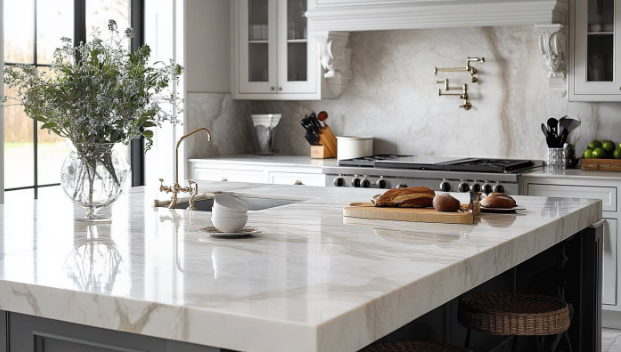
Kitchen and interior surfaces have evolved significantly over the years, with engineered stone becoming one of the most preferred choices in modern homes and commercial spaces. Among these, quartz countertops have gained strong popularity due to their durability, design consistency, and low maintenance requirements. In many cases, homeowners exploring granite materials often compare natural stone options with engineered alternatives to find a balance between aesthetics and practicality. The growing demand for quartz countertops reflects how functionality and style are now equally important in surface selection, especially in kitchens and bathrooms, where daily usage is high.
What Are Quartz Countertops?
Quartz countertops are engineered stone surfaces made by combining crushed natural quartz crystals with resins, polymers, and pigments. Typically, quartz surfaces contain around 90–95% natural quartz combined with binding materials that improve flexibility and durability. Unlike natural stone, quartz is manufactured in controlled conditions, ensuring consistent colour and pattern across each slab.
Composition and Manufacturing Process
The strength of quartz surfaces comes from their engineered structure. Natural quartz is one of the hardest minerals on earth, which forms the base of the material. When crushed quartz is combined with resins and pigments, it creates a dense and non-porous surface. The manufacturing process includes compressing the mixture under high pressure and heat to form solid slabs. This results in a material that is resistant to cracks, stains, and moisture penetration. This engineered composition is also what allows quartz to be available in a wide range of colours and textures, from marble-like finishes to modern solid tones.
Key Benefits of Quartz Countertops
1. High Durability
One of the most important advantages of quartz countertops is their durability. They are resistant to scratches, chips, and daily wear, making them ideal for busy kitchens and commercial spaces. Their dense structure ensures long-term performance even under heavy usage.
2. Low Maintenance Surface
Unlike natural stones such as granite or marble, quartz does not require sealing. Its non-porous surface prevents liquids like coffee, oil, or wine from seeping in, reducing the chances of permanent staining. Cleaning usually requires only mild soap and water.
3. Hygienic Properties
Because quartz does not absorb moisture, it also resists bacterial growth. This makes it a preferred choice for food preparation areas, hospitals, and laboratories where hygiene is essential.
4. Design Versatility
Quartz countertops are available in a wide range of colours, patterns, and finishes. Whether someone prefers a minimalist white surface or a textured stone-like appearance, quartz offers flexibility in design without compromising strength.
Quartz vs Natural Stone
When visiting a showroom, customers often compare quartz with natural stones like granite or marble. Granite is a natural material that offers unique patterns but requires regular sealing and maintenance due to its porous nature. Quartz, on the other hand, provides a more uniform look with significantly lower upkeep.
While granite is formed naturally over millions of years, quartz is engineered for performance and consistency. This difference makes quartz a practical choice for homeowners who want both aesthetic appeal and ease of maintenance in one material.
Applications of Quartz Countertops
Quartz surfaces are widely used in both residential and commercial environments. In homes, they are commonly installed in kitchens, bathroom vanities, and utility areas. Their resistance to stains and scratches makes them ideal for high-traffic zones.
In commercial settings, quartz is used in hotel reception desks, office counters, restaurant workspaces, and retail displays. Its polished appearance enhances interior design while maintaining long-lasting durability under continuous use.
Conclusion
Quartz countertops have become a leading choice in modern architecture due to their combination of strength, hygiene, and visual appeal. Their engineered composition ensures consistent quality, while their non-porous nature reduces maintenance efforts significantly. As interior design trends continue to evolve, natural aesthetics combined with engineered performance will remain highly desirable. In the middle of selecting materials, considering options like granite showroom comparisons helps buyers make informed decisions based on durability, maintenance, and style preferences. Ultimately, quartz countertops offer a balanced solution for those seeking long-lasting beauty and functionality in their living spaces.


 English
 Arabic
 French
 Spanish
 Deutsch
 Turkish
 Dutch
Dutch
 Italiano
 Russian
 Romaian
 Portuguese (Brazil)
 Greek
Greek