


A Complete Guide to Geriatric Nursing Careers and Elderly Patient Care
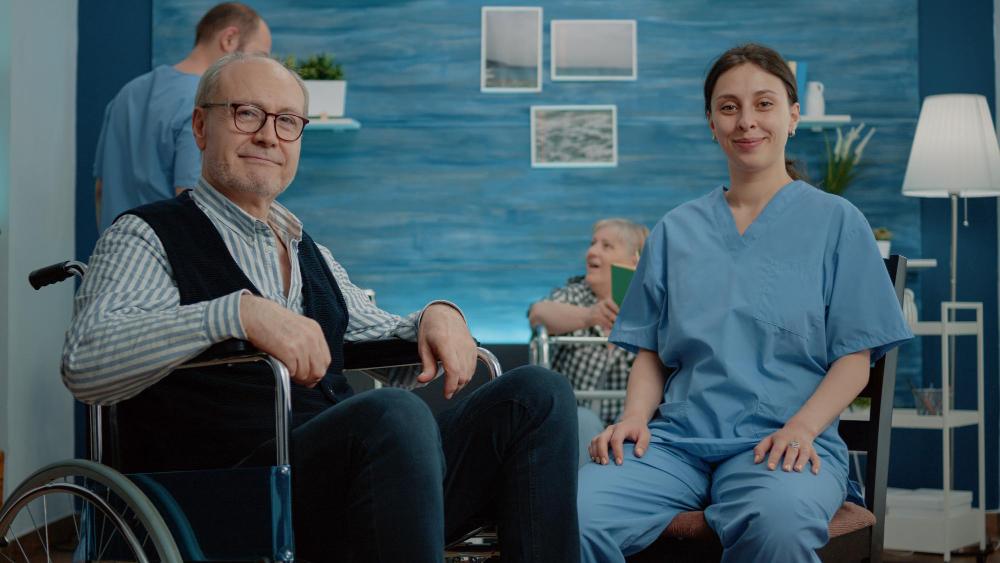
Geriatric nursing is a growing field in healthcare. It focuses on older adults and their unique medical needs. Demand for skilled nurses in this area keeps rising. Hospitals and care homes need trained professionals more than ever.
If you are thinking about how to become a geriatric nurse, this guide will help you understand the path, skills, and career options. It also explains what daily work looks like and where this career can take you.
Understanding Geriatric Nursing
Geriatric nursing is care for older patients, usually age 60 and above. These patients often face long-term health issues. Conditions like diabetes, arthritis, heart disease, and memory loss are common.
A geriatric nurse works to support both health and comfort. The goal is not only treatment but also daily care support. Many patients need help with routine tasks, medication, and emotional support.
This role is important because older adults often need more time and attention. Care must be steady, careful, and patient-focused.
Why Geriatric Nursing Matters
The older population is growing worldwide. This has created a strong need for trained nurses in elder care.
Geriatric Nurses Help in Many Ways:
- Improve daily quality of life for patients
- Manage long-term illnesses
- Support recovery after surgery or illness
- Reduce hospital readmissions
- Help families understand care needs
Their role is not limited to hospitals. Many work in home care, assisted living centers, and rehabilitation units.
Core Duties of a Geriatric Nurse
The daily work of a geriatric nurse is varied. It includes both medical and personal care tasks.
Common Duties Include:
- Monitoring vital signs like blood pressure and temperature
- Giving prescribed medications on time
- Assisting with bathing, dressing, and feeding
- Supporting mobility and physical therapy exercises
- Tracking changes in mental or physical health
- Communicating updates to doctors and family members
Each patient may need a different level of care. Some require full assistance, while others need only support with medication and checkups.
Skills Needed for Elderly Patient Care
Strong skills are important in geriatric nursing. Patients often need long-term support and careful attention.
Key Skills Include:
- Patience and calm behavior
- Clear communication with patients and families
- Attention to detail in treatment plans
- Time management in busy care settings
- Basic clinical knowledge and safety awareness
Soft skills matter just as much as medical skills. Older patients may feel confused or anxious, so kindness and steady communication help build trust.
Education Path for Geriatric Nursing
A clear education path is needed for this career. Most nurses follow a structured route.
Steps Include:
- Complete a nursing diploma or BSN degree
- Pass the nursing licensing exam
- Gain experience in general hospital care
- Take courses or training in elder care
- Apply for geriatric nursing roles
Some nurses also choose certification programs in gerontology. These programs focus on aging, chronic illness, and patient support methods.
Clinical experience plays a big role. Many skills are learned on the job while working with real patients.
Common Health Issues in Elderly Patients
Older patients often face multiple health problems at the same time. Geriatric nurses must understand these conditions well.
Some Common Issues Include:
- Memory loss and dementia
- Joint pain and arthritis
- Heart-related diseases
- Diabetes management
- Balance and fall risks
- Sleep disorders
Care plans must be adjusted for each condition. Sometimes small changes in routine can improve comfort and safety.
Challenges in Geriatric Nursing
This career is meaningful but also demanding. Nurses often face emotional and physical challenges.
Some Common Challenges Are:
- Long hours and heavy workloads
- Emotional stress from patient loss
- Communication issues with confused patients
- Managing multiple health conditions at once
- Family concerns and expectations
Strong teamwork helps reduce pressure. Support from doctors, fellow nurses, and care staff is important in daily work.
Where Geriatric Nurses Work
Geriatric nurses are needed in many healthcare settings. Job options are wide and flexible.
Workplaces Include:
- Hospitals with elderly care units
- Nursing homes and assisted living centers
- Rehabilitation centers
- Home healthcare services
- Community health programs
Some nurses prefer hospital work. Others choose home care for more personal patient interaction.
Each setting offers different experience and learning opportunities.
Career Growth in Geriatric Nursing
This field offers steady growth. As the aging population increases, demand for skilled nurses is expected to remain strong.
Career Growth Paths Include:
- Senior geriatric nurse
- Nurse supervisor in elder care units
- Clinical nurse specialist
- Care coordinator
- Healthcare trainer in geriatric programs
With experience, nurses may also move into leadership roles. Some choose teaching or training new nurses in elder care.
Daily Approach to Elderly Patient Care
Good elderly care is based on simple but consistent actions. Small details matter in daily work.
Important Care Practices Include:
- Keeping patients comfortable and clean
- Watching for sudden health changes
- Encouraging light movement when possible
- Supporting mental well-being through conversation
- Maintaining safe surroundings to avoid falls
Consistency builds trust between nurse and patient. Many older adults feel more secure when care routines stay stable.
Emotional Side of Geriatric Nursing
This field is not only medical. It also involves emotional support.
Many elderly patients feel lonely or isolated. A geriatric nurse often becomes a steady support figure. Listening and simple conversations can make a big difference.
Family members also depend on nurses for updates and guidance. Clear communication helps reduce confusion and stress.
Salary and Job Outlook
Salaries vary based on location, experience, and workplace. In general, geriatric nursing offers stable income and strong job security.
Experienced nurses in specialized roles often earn higher pay. Additional certifications can also improve career value.
Job demand is expected to grow due to aging populations worldwide. This makes the field a reliable long-term choice.
How Healthcare Talent Link Supports Your Career
Finding the right role in geriatric nursing can be difficult without proper guidance. Many professionals look for better job matches and career support.
Healthcare Talent Link helps connect healthcare workers with trusted employers. It supports nurses in finding roles that match their skills and goals. It also helps healthcare facilities find qualified staff faster.
By using Healthcare Talent Link, professionals can explore better job options and stay updated with new opportunities in elder care.
Conclusion
Geriatric nursing is a meaningful career focused on older patient care. It combines medical skills with human support. The work can be challenging, but it is also rewarding.
With proper training, steady practice, and strong communication skills, nurses can build a long-term career in this field. Opportunities continue to grow as healthcare needs increase.
For those looking to advance their career or find better roles, platforms like Healthcare Talent Link can be helpful. It works as a healthcare industry networking solution that connects professionals with the right opportunities in elder care and beyond.


 English
 Arabic
 French
 Portuguese
 Deutsch
 Turkish
 Dutch
Dutch
 Italiano
 Russian
 Romaian
 Portuguese (Brazil)
 Greek
Greek