


Central AC vs Ductless Mini Split: Best Cooling Option for Summer
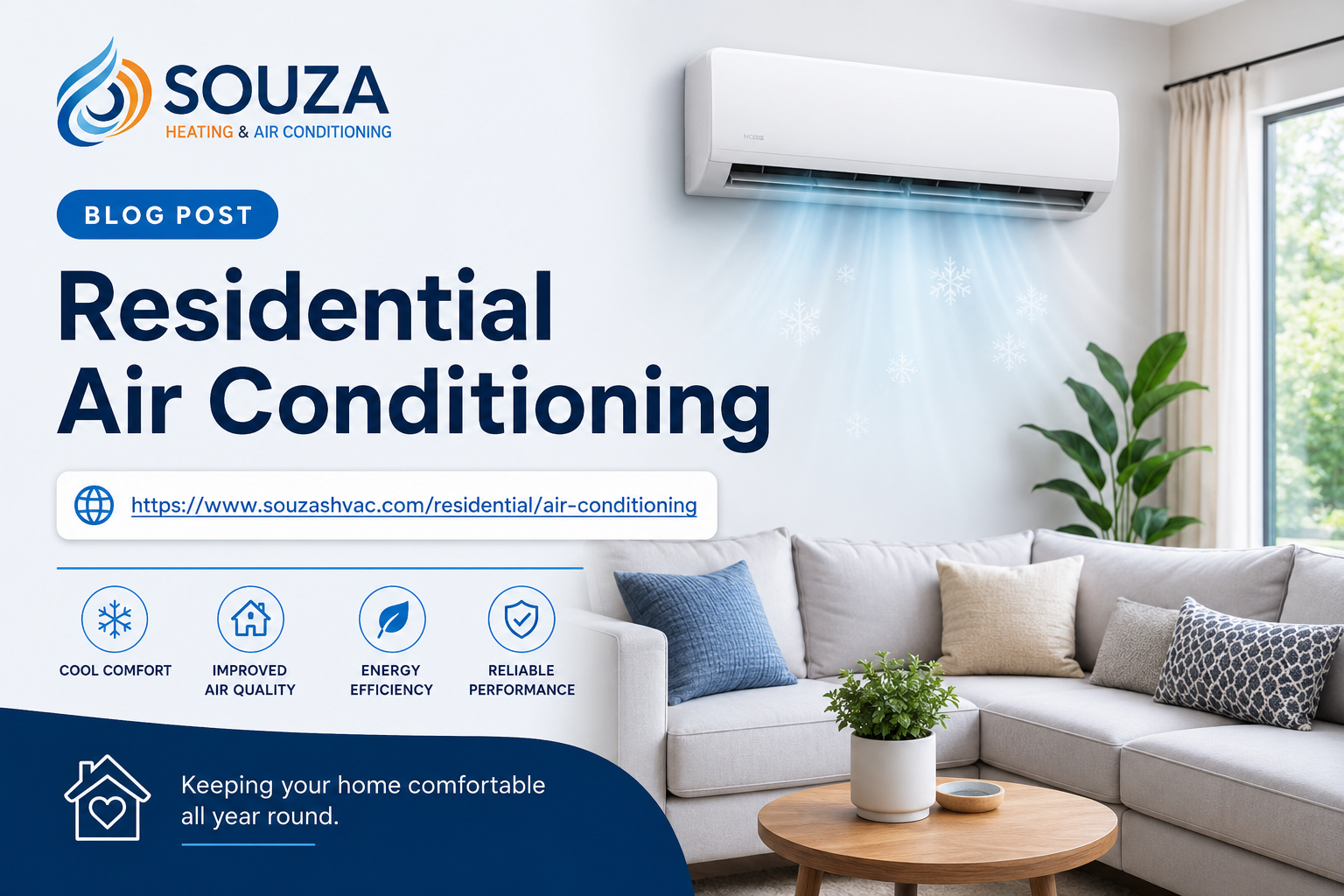
Central AC vs Ductless Mini Split: Which Cooling System Is Best for Summer?
When temperatures rise during summer, having a reliable and energy-efficient air conditioning system becomes essential for indoor comfort. Homeowners often face one major question: should they choose a central air conditioning system or a ductless mini split AC system?
Both cooling solutions offer excellent performance, but the right choice depends on your home's size, energy efficiency goals, budget, and cooling preferences. In this guide, we’ll compare central AC vs ductless mini split systems to help you decide which option is best for your summer cooling needs.
What Is a Central Air Conditioning System?
A central air conditioning system cools your entire home through a network of ducts connected to an indoor and outdoor unit. It distributes cool air evenly throughout multiple rooms using vents and a thermostat.
Benefits of Central AC
- Whole-home cooling from one system
- Consistent indoor temperatures
- Improved indoor air quality with filtration
- Works well for larger homes
- Quiet operation indoors
Drawbacks of Central AC
- Higher energy usage in some homes
- Requires ductwork installation
- Energy loss through leaking ducts
- More expensive installation in homes without existing ducts
Central air conditioning remains one of the most popular home cooling systems because of its ability to maintain consistent comfort during extreme summer heat.
What Is a Ductless Mini Split System?
A ductless mini split AC system consists of an outdoor compressor connected to one or more indoor air-handling units. Unlike central AC, it does not require ductwork.
Benefits of Ductless Mini Splits
- Energy efficient cooling
- Zoned temperature control
- No ductwork required
- Lower energy bills
- Easy installation
- Great for room additions or older homes
Drawbacks of Mini Split Systems
- Higher upfront cost per zone
- Indoor units are visible on walls
- Multiple units may be needed for large homes
Ductless systems are becoming increasingly popular because homeowners want energy efficient AC systems that reduce summer utility costs.
Energy Efficiency Comparison
One of the biggest differences between central AC and mini split systems is energy efficiency.
Central AC Efficiency
Modern central air conditioners can be highly efficient, especially high-SEER2 models. However, ductwork can reduce efficiency if there are leaks or poor insulation.
Mini Split Efficiency
Ductless mini split systems are generally more energy efficient because they avoid duct losses and allow zoned cooling. You can cool only the rooms you use most, helping reduce electricity consumption.
If lowering cooling bills is your top priority, a ductless mini split may provide greater long-term savings.
Which Cooling System Is Better for Summer?
The answer depends on your home and cooling goals.
Choose Central AC If:
- Your home already has ductwork
- You want whole-home cooling
- You prefer hidden air vents
- You need consistent temperatures throughout the house
Choose a Mini Split If:
- Your home has no existing ducts
- You want zoned cooling
- You want lower monthly energy bills
- You need cooling for additions, garages, or specific rooms
Both systems can help you stay cool during summer, but the ideal solution depends on your budget, home layout, and comfort preferences.
Installation Costs
Central AC Installation
Central air conditioning installation typically costs more when ductwork needs to be added or replaced. However, it may be more cost-effective for larger homes with existing ducts.
Mini Split Installation
Ductless mini splits usually have lower installation complexity but can become expensive if multiple indoor units are needed.
A professional HVAC contractor can evaluate your home and recommend the most cost-effective solution.
Maintenance Requirements
Regular maintenance is essential for both systems to ensure reliable cooling performance during summer.
Central AC Maintenance
- Change air filters regularly
- Inspect ductwork
- Schedule annual AC tune-ups
- Clean condenser coils
Mini Split Maintenance
- Clean indoor unit filters
- Keep outdoor units debris-free
- Inspect refrigerant lines
- Schedule professional maintenance yearly
Routine maintenance helps improve efficiency, extend equipment lifespan, and prevent costly AC repairs.
Signs It May Be Time to Upgrade Your Cooling System
If your current AC system struggles during hot weather, it may be time for a replacement.
Common Warning Signs
- Rising energy bills
- Uneven cooling
- Frequent repairs
- Warm air from vents
- Strange noises
- System age over 10–15 years
Upgrading to a modern energy-efficient air conditioning system can improve comfort while reducing operating costs.
Final Thoughts
Choosing between central AC and ductless mini split systems depends on your home's structure, cooling needs, and energy-saving goals. Central air conditioning is ideal for whole-home comfort, while mini split systems offer excellent flexibility and efficiency.
No matter which option you choose, professional installation and routine HVAC maintenance are essential for reliable summer cooling.
If you’re considering a new air conditioning system, consulting with experienced HVAC professionals can help you select the best cooling solution for your home and budget.


 English
 Arabic
 Spanish
 Portuguese
 Deutsch
 Turkish
 Dutch
Dutch
 Italiano
 Russian
 Romaian
 Portuguese (Brazil)
 Greek
Greek