


Best Clinical Treatments for Melasma
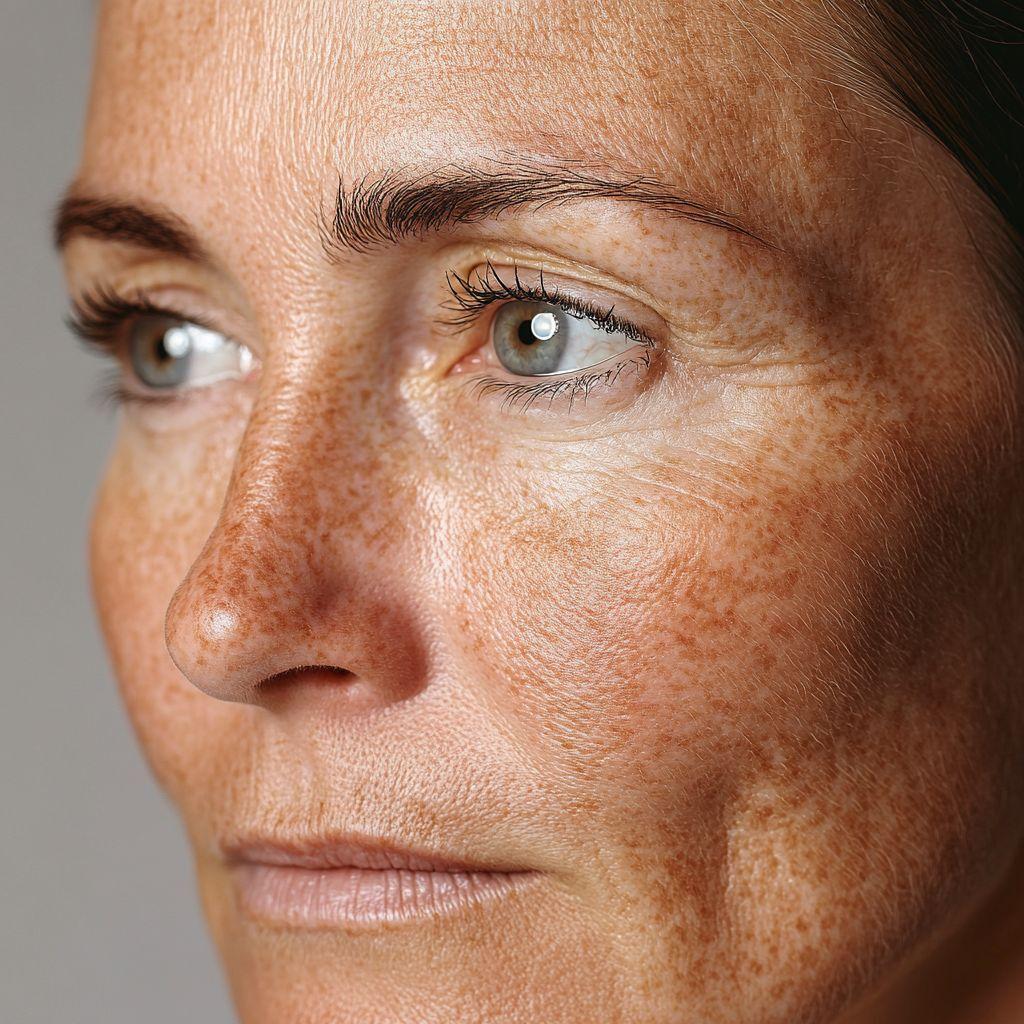
Melasma is a common skin pigmentation disorder that causes dark brown or gray patches to appear on the face, particularly on the cheeks, forehead, nose, chin, and upper lip. It develops when the skin produces excess melanin due to hormonal changes, prolonged sun exposure, genetics, or certain medications. While melasma is harmless, it can affect self-confidence and often requires consistent care to improve its appearance. Many people prefer natural remedies to manage melasma, especially during the early stages or alongside professional treatments. Although natural methods may not eliminate melasma completely, they can support healthier skin, reduce pigmentation, and help prevent further discoloration when combined with a proper skincare routine.
Understanding Melasma and Its Causes:
Melasma develops when melanocytes, the cells responsible for producing skin pigment, become overactive. The condition is most common in women, particularly during pregnancy or while taking hormonal medications. However, men can also experience melasma due to genetics and environmental factors. Excessive sun exposure remains one of the biggest triggers because ultraviolet rays stimulate melanin production. People looking for professional solutions for melasma in Islamabad often combine dermatologist-recommended treatments with natural skincare habits to achieve better and longer-lasting results.
Protect Your Skin from the Sun:
Sun protection is the most important step in treating melasma naturally. Even brief exposure to sunlight can worsen pigmentation and reduce the effectiveness of any treatment.
To protect your skin:
- Apply a broad-spectrum sunscreen with SPF 50 or higher every day.
- Reapply sunscreen every two hours when outdoors.
- Wear a wide-brimmed hat for additional protection.
- Use UV-protective sunglasses.
- Avoid direct sunlight during peak afternoon hours.
- Stay in shaded areas whenever possible.
Daily sun protection prevents existing patches from becoming darker and reduces the risk of new pigmentation developing.
Follow a Gentle Skincare Routine:
Using harsh skincare products can irritate the skin and worsen melasma. A gentle routine helps maintain the skin barrier while reducing inflammation that may contribute to pigmentation.
An effective daily routine includes:
- Cleansing with a mild, fragrance-free cleanser.
- Applying a hydrating moisturizer.
- Using antioxidant-rich serums such as Vitamin C.
- Avoiding over-exfoliation.
- Removing makeup before bedtime.
- Keeping the skin hydrated throughout the day.
Healthy skin responds better to both natural remedies and professional treatments.
Natural Ingredients That May Help:
Several natural ingredients contain antioxidants and anti-inflammatory properties that may gradually brighten the skin and reduce uneven pigmentation.
Popular natural remedies include:
- Aloe vera gel
- Turmeric
- Licorice extract
- Green tea extract
- Honey
- Yogurt
- Oatmeal masks
These ingredients may help soothe the skin and improve overall complexion when used consistently. However, they should always be patch-tested before regular use to avoid irritation.
Eat a Skin-Friendly Diet:
Nutrition plays an important role in maintaining healthy skin. Foods rich in vitamins, minerals, and antioxidants help protect skin cells from oxidative damage while supporting natural skin repair.
Many individuals researching the melasma treatment cost also focus on improving their lifestyle because healthy habits often enhance treatment results.
Consider including:
- Citrus fruits
- Berries
- Leafy green vegetables
- Carrots
- Tomatoes
- Nuts and seeds
- Fatty fish rich in omega-3 fatty acids
Drinking plenty of water throughout the day also helps maintain healthy skin function.
Manage Hormonal and Lifestyle Triggers:
Hormonal fluctuations are one of the leading causes of melasma. Pregnancy, birth control pills, and hormone replacement therapy may contribute to pigmentation changes. Although these factors cannot always be avoided, discussing alternatives with a healthcare provider may be helpful in some cases.
Lifestyle changes that support healthier skin include:
- Getting adequate sleep.
- Reducing stress through relaxation techniques.
- Exercising regularly.
- Avoiding smoking.
- Limiting excessive heat exposure.
A healthy lifestyle supports better skin healing and reduces inflammation.
Use Antioxidants Daily:
Antioxidants help protect the skin from environmental damage caused by pollution and UV radiation. Incorporating antioxidant-rich skincare products into your daily routine may reduce pigmentation over time.
Some effective antioxidants include:
- Vitamin C
- Vitamin E
- Niacinamide
- Ferulic acid
- Resveratrol
These ingredients work best when combined with daily sunscreen use and consistent skincare habits.
Avoid Common Melasma Triggers:
Understanding what worsens melasma is just as important as choosing the right treatment.
Common triggers include:
- Direct sunlight
- Heat exposure
- Hormonal changes
- Harsh skincare products
- Excessive exfoliation
- Inconsistent sunscreen use
Avoiding these triggers can help maintain your results and prevent pigmentation from becoming darker.
When Natural Remedies Are Not Enough:
Natural treatments may improve mild melasma, but deeper pigmentation often requires professional intervention. If home remedies fail to produce noticeable improvement after several months, consulting a dermatologist is recommended.
Professional treatment options include:
- Prescription creams
- Chemical peels
- Laser therapy
- Microneedling
- Oral medications
- Combination treatment plans
A personalized approach offers better long-term results while reducing the risk of recurrence.
Tips for Long-Term Melasma Management:
Melasma is considered a chronic skin condition, meaning it can return even after successful treatment. Long-term maintenance is essential to keep pigmentation under control.
Helpful maintenance tips include:
- Wear sunscreen every day.
- Continue using gentle skincare products.
- Stay hydrated.
- Eat a balanced diet.
- Schedule regular dermatology checkups.
- Treat new pigmentation early.
Consistency is the key to maintaining clearer, healthier skin over time.
Final Thoughts:
Natural remedies can play an important role in managing melasma by supporting healthy skin, reducing inflammation, and preventing further pigmentation. However, combining these habits with professional dermatological care often provides the most noticeable and lasting improvements. Protecting your skin from the sun, maintaining a healthy lifestyle, and using scientifically supported skincare products can significantly improve your complexion over time. If you are looking for expert guidance and advanced pigmentation treatments, Royal cosmetic surgery clinic offers personalized consultations and modern solutions designed to help you achieve clearer, brighter, and healthier-looking skin.

 English
 Arabic
 French
 Spanish
 Portuguese
 Deutsch
 Turkish
 Italiano
 Russian
 Romaian
 Portuguese (Brazil)
 Greek
Greek