


Why Wall Climbing Has Become the Activity Kids Ask to Go Back to Again and Again
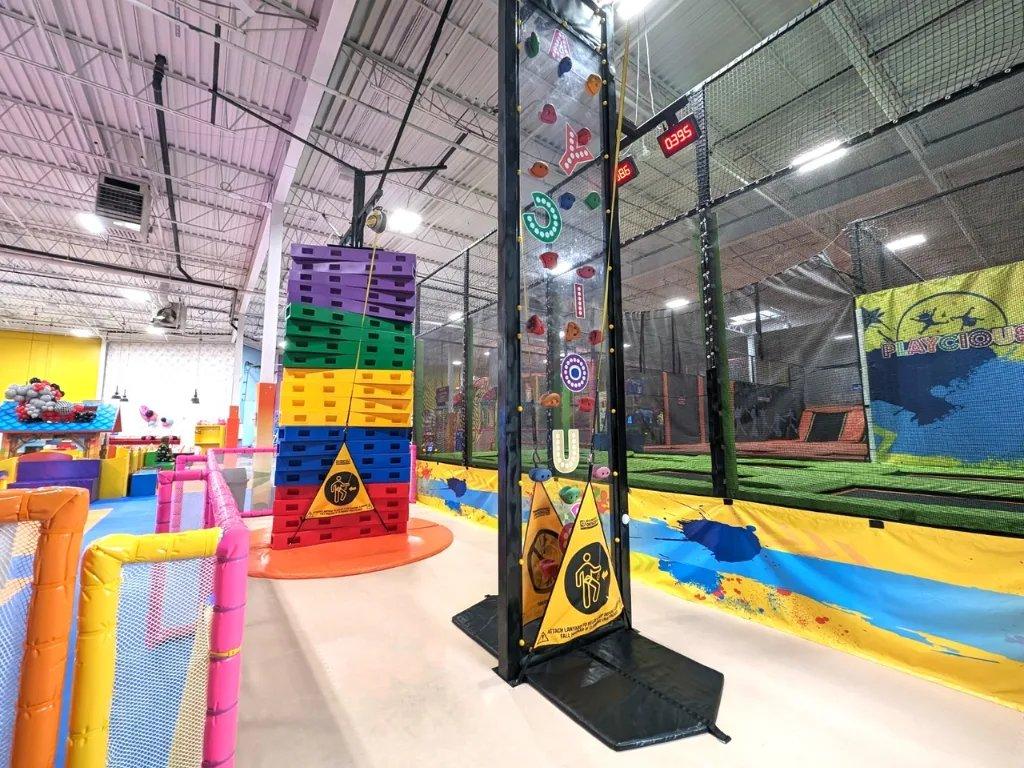
Most kids' activities have a shelf life. The excitement peaks somewhere around the third visit and then the requests stop coming. A new video game, a trampoline park, a craft class — all fine, all forgotten within a few weeks once the novelty wears off.
Wall climbing doesn't seem to work that way. Children who try it for the first time tend to come home talking about it, and they tend to ask when they're going back before the week is out. Something about the combination of physical challenge, visible progress, and the particular satisfaction of reaching the top keeps pulling them back in a way that passive entertainment simply doesn't.
What Makes an Indoor Climbing Wall Different from Other Kids' Activities
The physical element is obvious — arms working, legs pushing, core engaged in ways that sitting in front of a screen never demands.
Every route on an indoor climbing wall is a problem to solve. Which handhold comes next? Whether the left foot or the right foot gives better leverage from this position. How to rest without losing ground. Children who struggle to focus on structured tasks for more than a few minutes will spend twenty minutes on a climbing wall without noticing the time passing — because the feedback loop is immediate and the goal is visible from the ground.
Falling is part of it too, in the best possible way. Safety mats and controlled environments mean falling carries no real consequence, which means trying a harder route and not making it becomes a normal, unremarkable part of the experience rather than something to avoid. That relationship with manageable failure — trying something difficult, not succeeding immediately, trying again — transfers into other areas of life in ways that take parents a while to notice and then seem obvious in retrospect.
Why Wall Climbing Works Differently for Children Than Adults Expect
When adults see a climbing wall for the time they usually feel a little nervous about climbing the climbing wall. They think about the climbing wall and how to climb the climbing wall. They worry about the technique for the climbing wall. If they have the strength to climb the climbing wall.
That absence of self-consciousness produces faster progress than most parents anticipate. A child who has never climbed before often reaches two-thirds of the way up a beginner wall on their first attempt purely through enthusiasm and the natural problem-solving instinct that kicks in when the body encounters a physical challenge.
The confidence that builds from repeating this process — attempting something difficult, improving, eventually succeeding — shows up in children's behaviour in ways that extend well beyond the climbing wall. Kids who climb regularly tend to think they can do things. They feel like they can handle mental challenges. These kids think they are capable of doing things that might seem hard to others. Kids who climb regularly have an idea about what they can do. They believe in themselves. They think they can try new physical and mental things because they climb a lot.
What to Look for in a Quality Indoor Climbing Wall for Children
Height variety matters — routes that suit complete beginners alongside ones that give experienced young climbers something genuinely challenging to work toward. A single difficulty level produces a single visit; a range of routes produces a reason to return and improve.
Safety matting and wall design at children's venues needs specific consideration that adult climbing gyms don't always prioritise. Holds sized for smaller hands, angles that suit developing upper body strength, and landing zones designed around how children actually fall rather than how adults fall all determine whether the experience stays positive across multiple visits.
Supervision and support from staff who understand children's climbing rather than just climbing in general makes a meaningful difference for first-timers who need encouragement alongside instruction.
Playcious incorporates wall climbing within a broader indoor play environment across its Ontario locations — Vaughan, Oakville, and Mississauga — alongside jungle gyms, arcade games, and café facilities, which means a climbing session sits within a full activity day rather than being the only option available for children with varying energy levels and interests.
Climbing tends to do that reliably and consistently — which is why the requests to go back keep coming.


 English
 Arabic
 French
 Spanish
 Portuguese
 Deutsch
 Dutch
Dutch
 Italiano
 Russian
 Romaian
 Portuguese (Brazil)
 Greek
Greek