


How to Respond to a Mental Health Crisis at Work
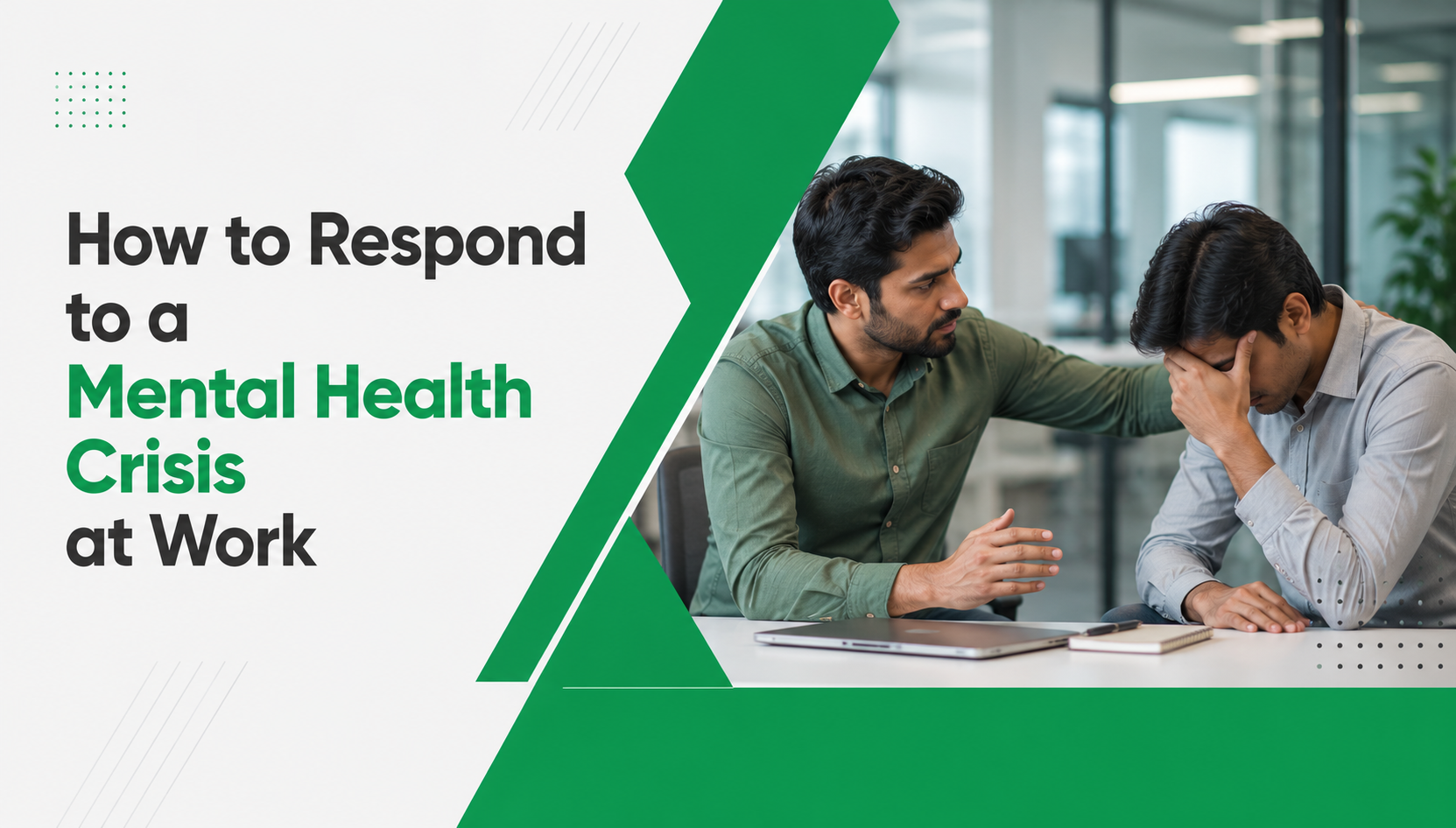
Most managers and colleagues hope they will never encounter a genuine mental health crisis at work — but statistically, given how common mental health conditions are across the workforce, many eventually will. Having a clear, practiced sense of what to do in these moments matters far more than good intentions alone. This guide walks through how to recognise a workplace mental health crisis and respond in a way that genuinely helps.
What Counts as a Mental Health Crisis at Work
A mental health crisis is a situation where someone's emotional or psychological state poses an immediate risk to their safety or wellbeing, or where their distress has escalated beyond what they can manage on their own in that moment. This can include:
- A panic attack severe enough that the person cannot function or communicate normally
- Expressions of suicidal thoughts or intent
- A severe emotional breakdown following distressing news
- Acute symptoms of a condition such as psychosis, where someone appears disconnected from reality
- Signs of severe intoxication or substance use that pose immediate risk
Not every difficult moment is a crisis. Ordinary sadness, stress, or frustration, while important to take seriously, generally does not require the same immediate response as a genuine crisis.
The First Priority: Safety
In any crisis situation, the first and most important question is whether the person is safe right now. This means:
- Ensuring they are not at immediate risk of harming themselves or others
- Moving them to a private, calm space if the current environment is contributing to distress
- Staying with them, or ensuring someone stays with them, rather than leaving them alone if there is any concern about immediate safety
Recognising Signs That Require Urgent Escalation
Certain signs should always be treated as urgent and escalated immediately to professional or emergency support:
- Direct or indirect statements about wanting to die or not wanting to be alive
- Specific plans or means to harm oneself
- Severe agitation, confusion, or apparent disconnection from reality
- Signs of a medical emergency alongside psychological distress, such as loss of consciousness
If any of these signs are present, the appropriate response is to involve emergency services or a mental health crisis helpline immediately, not to attempt to manage the situation alone, regardless of how confident or well-trained a colleague or manager feels.
A Practical Response Framework
Step 1: Stay Calm and Present
Your own composure directly affects the person in crisis. Speak in a calm, steady voice, and avoid visible panic, even if you feel uncertain about what to do next.
Step 2: Ensure Immediate Safety
Move the situation to a private space if possible, remove any immediate means of harm if relevant and safe to do so, and ensure the person is not left alone if there is concern about their safety.
Step 3: Listen Without Judgment
Ask simple, direct questions about how they're feeling and what they need, without minimising their experience or rushing to reassure them that "everything will be fine." Direct, calm questions — including asking directly about thoughts of self-harm if you have genuine concern — do not increase risk and can open the door to getting someone the help they need.
Step 4: Connect to Professional Help
Depending on severity, this may mean contacting a mental health helpline together, reaching out to the person's emergency contact, involving occupational health or an employee assistance programme, or, in acute situations, calling emergency medical services.
Step 5: Follow Organisational Crisis Protocols
Most organisations with mature mental health infrastructure have a documented crisis response protocol. Following this ensures consistency, appropriate escalation, and that the situation is handled with the seriousness it requires — rather than being managed informally and inconsistently.
Step 6: Document and Debrief Appropriately
After the immediate crisis has been addressed, appropriate documentation (respecting confidentiality) and a debrief with relevant HR or mental health support functions help ensure follow-up care is arranged and that the organisation learns from the situation where relevant.
What Not to Do
- Don't leave someone alone if you have safety concerns, even if they ask you to.
- Don't promise complete confidentiality if there is a genuine safety risk. Be honest that you may need to involve others to keep them safe.
- Don't dismiss or minimise what they're experiencing with comments like "it's not that bad" or "just calm down."
- Don't attempt to handle a severe crisis entirely alone without involving professional or emergency support — this is not a reflection of failure, but appropriate recognition of the limits of workplace-level support.
- Don't discuss the incident with colleagues beyond those who genuinely need to know, in order to protect the individual's privacy and dignity.
Supporting the Person Afterward
A crisis moment is rarely the end of the story. Meaningful follow-up matters:
- Check in privately and consistently in the days and weeks following the incident
- Coordinate with HR on any necessary accommodations, such as adjusted workload or flexible return-to-work arrangements
- Respect the person's privacy — avoid speculation or unnecessary discussion among colleagues
- Ensure they have clear, ongoing access to professional mental health support, not just crisis-moment intervention
Preparing Your Organisation Before a Crisis Happens
- Establish a clear, written crisis response protocol that all managers are trained on, not something improvised in the moment
- Ensure emergency mental health resources are visible and accessible, including national crisis helplines and internal emergency contacts
- Train managers and mental health champions in psychological first aid so a practical response framework exists before it's urgently needed
- Review and update the protocol periodically, incorporating lessons learned from any real incidents
Conclusion
A mental health crisis at work is one of the most difficult situations a manager or colleague can face — but a calm, structured, and practiced response can make a genuine difference to someone's safety and wellbeing. Prioritising safety, listening without judgment, and connecting the person to appropriate professional support, all guided by a clear organisational protocol prepared well in advance, gives everyone involved the best chance of navigating a crisis moment safely and with dignity.


 Arabic
 French
 Spanish
 Portuguese
 Deutsch
 Turkish
 Dutch
Dutch
 Italiano
 Russian
 Romaian
 Portuguese (Brazil)
 Greek
Greek