


A Homeowner’s Guide to Boiler Installation: What to Expect and How to Get It Right
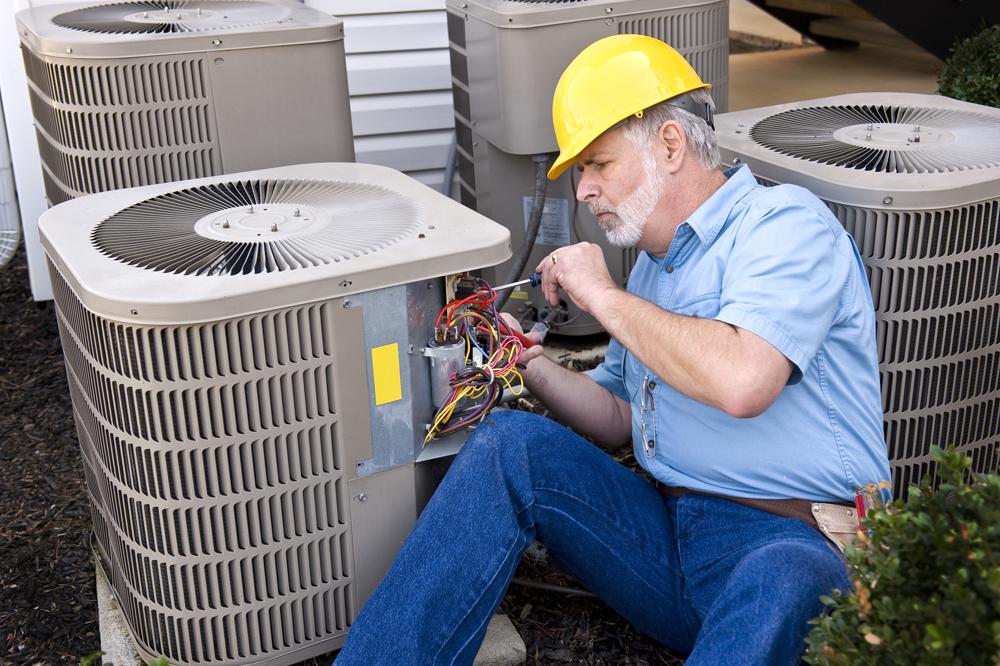
A reliable heating system is essential for comfort, safety, and energy efficiency, especially during colder months. For many homes, a boiler remains one of the most dependable ways to deliver consistent heat. Proper boiler installation plays a critical role in how well the system performs, how long it lasts, and how much it costs to operate over time.
This guide explains the boiler installation process, why professional installation matters, and how homeowners can make informed decisions for long-term comfort.
What Is Boiler Installation?
Boiler installation involves setting up a heating system that uses water or steam to distribute heat throughout a home. Unlike forced-air systems, boilers provide radiant or baseboard heat, offering steady warmth without blowing air.
The installation process includes:
-
Selecting the correct boiler size and type
-
Connecting piping and heating zones
-
Ensuring proper ventilation and safety controls
-
Testing system pressure and performance
Each step must be done correctly to ensure safe and efficient operation.
Types of Boilers Commonly Used in Homes
Understanding boiler types helps homeowners choose the right system for their needs.
Conventional Boilers
These systems use a separate hot water tank and are common in larger homes with multiple heating zones.
Combi Boilers
Combination boilers provide both heating and hot water from a single unit. They are compact and ideal for homes with limited space.
System Boilers
System boilers work with a hot water cylinder but don’t require a separate cold-water tank, making them more efficient than traditional setups.
Choosing the right type depends on household size, hot water demand, and existing infrastructure.
Why Proper Boiler Installation Matters
Even the highest-quality boiler won’t perform well if it’s installed incorrectly. Poor installation often leads to uneven heating, higher energy bills, and frequent repairs.
Correct boiler installation helps:
-
Ensure even heat distribution
-
Improve energy efficiency
-
Reduce the risk of leaks or pressure issues
-
Extend system lifespan
Professional installation protects both the equipment and the home.
The Boiler Installation Process Explained
A professional boiler installation follows a structured approach to avoid costly mistakes.
The process typically includes:
-
Assessing home size, insulation, and heating needs
-
Removing old equipment safely
-
Installing the new boiler and connecting pipework
-
Configuring thermostats and controls
-
Testing the system for safety and efficiency
This careful process ensures reliable performance from day one.
Energy Efficiency and Modern Boiler Systems
Newer boilers are designed to operate more efficiently than older models. Modern systems use advanced controls to reduce fuel consumption while maintaining consistent comfort.
Energy-efficient boilers:
-
Use less fuel to produce the same heat
-
Reduce monthly heating costs
-
Lower environmental impact
-
Provide better temperature control
Proper installation ensures these efficiency benefits are fully realized.
Common Mistakes to Avoid During Boiler Installation
Homeowners often run into issues when installation decisions are rushed or based solely on cost.
Common mistakes include:
-
Choosing an undersized or oversized boiler
-
Ignoring existing pipe or radiator conditions
-
Skipping professional system testing
-
Overlooking ventilation requirements
Avoiding these mistakes saves money and prevents future breakdowns.
When to Replace Instead of Repair
In some cases, replacing an old boiler makes more sense than repeated repairs. Older systems often lose efficiency and require frequent service.
Boiler replacement may be the better option if:
-
The system is over 15 years old
-
Repairs are becoming more frequent
-
Heating costs continue to rise
-
Performance no longer meets household needs
A professional assessment helps determine the most cost-effective solution.
Maintenance After Boiler Installation
Once installed, routine maintenance keeps the system running safely and efficiently.
Recommended maintenance includes:
-
Annual inspections
-
Monitoring system pressure
-
Checking for leaks or unusual noises
-
Keeping vents and radiators clear
Well-maintained boilers operate more reliably and last longer.
Final Thoughts
Boiler installation is a long-term investment in home comfort and energy efficiency. Choosing the right system and ensuring professional installation can make a significant difference in performance, safety, and operating costs.
With proper planning, expert installation, and ongoing care, a boiler can provide dependable warmth and peace of mind for many years to come.


 English
 Arabic
 French
 Portuguese
 Deutsch
 Turkish
 Dutch
Dutch
 Italiano
 Russian
 Romaian
 Portuguese (Brazil)
 Greek
Greek