


Cleaning for Compliance: Reducing Liability in the Law Firm
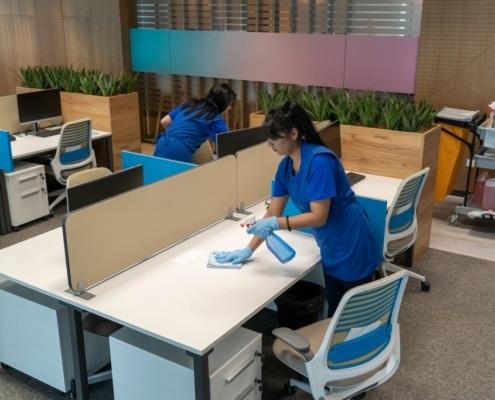
Law firms are experts in risk mitigation for their clients, but they must also manage their own internal risks. In New York City, workplace safety regulations (OSHA) and fire codes create a complex web of compliance requirements. The physical condition of the office plays a central role in meeting these standards. Clutter, blocked egress paths, and poor air quality are not just nuisances; they are potential violations. Professional law office cleaning in NYC is a critical component of your compliance strategy, ensuring that the physical environment meets all legal standards for worker safety and health.
Keeping Egress Paths and Fire Exits Clear
One of the most common fire code violations in office buildings is the obstruction of emergency exits and corridors. In a law firm, boxes of files, delivery carts, and overflow storage often find their way into hallways. A diligent cleaning crew does more than sweep the floors; they act as a nightly compliance check. They are trained to identify and report blocked egress paths. While they may not move heavy legal files without permission, their reporting allows the office manager to address the issue immediately. Keeping these arteries clear is essential for the safe evacuation of staff and clients in an emergency.
Chemical Storage and SDS Management
Cleaning creates its own set of chemical risks. Under OSHA’s Hazard Communication Standard, every workplace must maintain Safety Data Sheets (SDS) for any chemical used on-site. If a law firm employs an in-house cleaner or uses a sub-par service, these documents are often missing, creating liability. A professional cleaning company manages this entirely. They use compliant, labeled containers and maintain an up-to-date SDS binder on-site. They ensure that no incompatible chemicals are stored together (like bleach and ammonia) and that janitorial closets are organized and locked, preventing unauthorized access and potential accidents.
Mitigating "Sick Building" Liability
Air quality is a growing area of concern for worker's compensation and liability. Mold, dust mites, and accumulated allergens can lead to respiratory illnesses among staff. If a firm is found to have neglected the hygiene of the workspace, it could face claims from employees suffering from chronic issues. A robust cleaning program that includes HEPA vacuuming, mold prevention in wet areas (kitchens/bathrooms), and regular HVAC vent dusting is the best defense. It demonstrates a duty of care. Documentation of these cleaning cycles provides proof that the firm took reasonable steps to provide a safe working environment.
Slip, Trip, and Fall Prevention
Slips and trips are the leading cause of workplace injuries. In a law office with polished marble lobbies or smooth wood floors, the risk is real. Cleaning protocols must focus on traction. This means using the correct dilution of floor cleaners to prevent slippery residue and ensuring that wet floor signs are used correctly during cleaning. Furthermore, the cleaning team should proactively dry entryways during rainy NYC days. By managing the friction of the floors and removing trip hazards like loose rugs or cables during their rounds, the cleaning crew actively reduces the firm’s exposure to personal injury lawsuits.
Conclusion
Compliance is not just about paperwork; it is about physical reality. A messy, obstructed, or chemically hazardous office is a liability waiting to explode. Partnering with a professional cleaning service ensures that your facility adheres to safety codes, protecting your staff and shielding the firm from avoidable regulatory penalties.
Call to Action
Ensure your office meets the highest safety and compliance standards.
Visit: https://sanmarbuildingservices.com/


 English
 Arabic
 French
 Spanish
 Portuguese
 Turkish
 Dutch
Dutch
 Italiano
 Russian
 Romaian
 Portuguese (Brazil)
 Greek
Greek