


The Cutlass: More Than a Pirate’s Blade
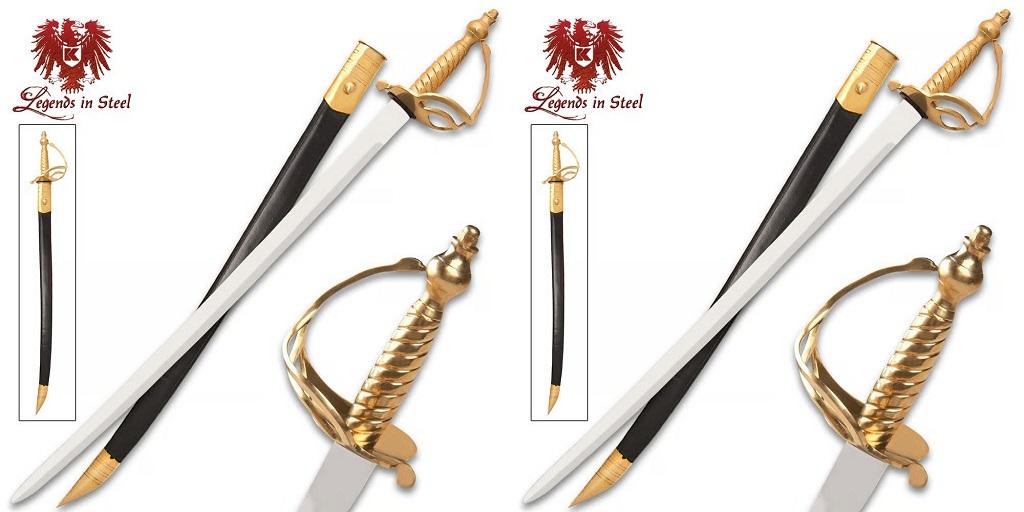
The cutlass holds a distinctive place in the history of close-quarters combat, particularly in maritime culture. While its image is often tied to pirates and naval boarding actions, the story of the cutlass spans several centuries and crosses multiple military traditions.
To understand why the cutlass sword became so iconic and why it differs so markedly from other swords, it’s important to explore both its origins and its evolving purpose.
The History Behind the Blade
The cutlass first appeared in Europe around the 16th century, but its roots run even deeper. The term itself originates from French and Latin words associated with the concept of a “large knife.” This connection matters, because the cutlass didn’t develop from the long, elegant dueling weapons of the aristocracy.
Instead, it emerged from utilitarian blades: short, robust, single-edged swords used by soldiers, sailors, and workers who needed something dependable rather than refined. Similar weapons appeared across Europe, such as the German messer and the English falchion.
These short, sturdy, single-edged blades formed the foundation of what eventually became the naval cutlass.
By the 17th and 18th centuries, the cutlass had become standard equipment at sea. Sailors, privateers, and naval forces adopted it for a simple reason: shipboard combat demanded a weapon optimized for cramped, chaotic conditions.
Unlike a long sword or saber, a cutlass didn’t require sweeping space to swing effectively. Its shortened blade allowed fighters to strike with precision even in narrow gangways or crowded decks. And because sailors commonly dealt with rope, wood, and canvas, a blade that could function both as a weapon and a practical cutting tool was invaluable.
The Look and Feel of the Cutlass
One common misconception is that all cutlasses were curved, broad, and “pirate-like.” In reality, historical examples varied widely. Many regulation naval cutlasses were completely straight and relatively narrow.
The defining characteristics were not shape but function: the ability to cut and thrust, compact size, and durability. Some had simple crossguards, while others incorporated figure-eight or bowl-shaped guards to protect the hand from blades, splinters, and rigging.
Even the weight could vary dramatically, depending on the era and the intended user. Some models were light and agile; others were heavy, built for strength and endurance rather than finesse.
A Maritime Weapon for All
What truly sets the cutlass apart from other swords is its deep integration into maritime life. While many European swords were designed around specific social classes, the cutlass belonged to everyday sailors.
It needed to be inexpensive, easy to mass-produce, and simple to wield even without formal training. Its users were rarely elite warriors; they were seamen who needed a reliable tool more than a ceremonial weapon.
This practical origin separated the cutlass from weapons like rapiers, cavalry sabers, broadswords, or even the more refined military hangers used on land.
Over time, the cutlass evolved beyond naval warfare. In the 19th century, institutions such as police forces, customs officers, and coast guards adopted their own cutlass-like weapons. Although many of these resembled traditional land-based hangers more than maritime blades, the term “cutlass” persisted because of its association with reliability and straightforward practicality.
A Sword Forged By the Sea
In the end, the cutlass remains one of history’s most adaptable and recognizable short swords. Its development was shaped not by fashion or ceremony but by the unforgiving environment of life at sea.
Designed for tight spaces, unpredictable movement, and rugged daily use, the cutlass sword stands apart from other weapons as the quintessential sailor’s sword: simple, sturdy, and perfectly suited to the world that created it.
For more information about Spring Steel Katana and Wooden Handle Katana Please visit: True Swords.


 English
 Arabic
 French
 Spanish
 Deutsch
 Turkish
 Dutch
Dutch
 Italiano
 Russian
 Romaian
 Portuguese (Brazil)
 Greek
Greek