


Nepheline Market to Reach US$ 230.63 Million by 2033
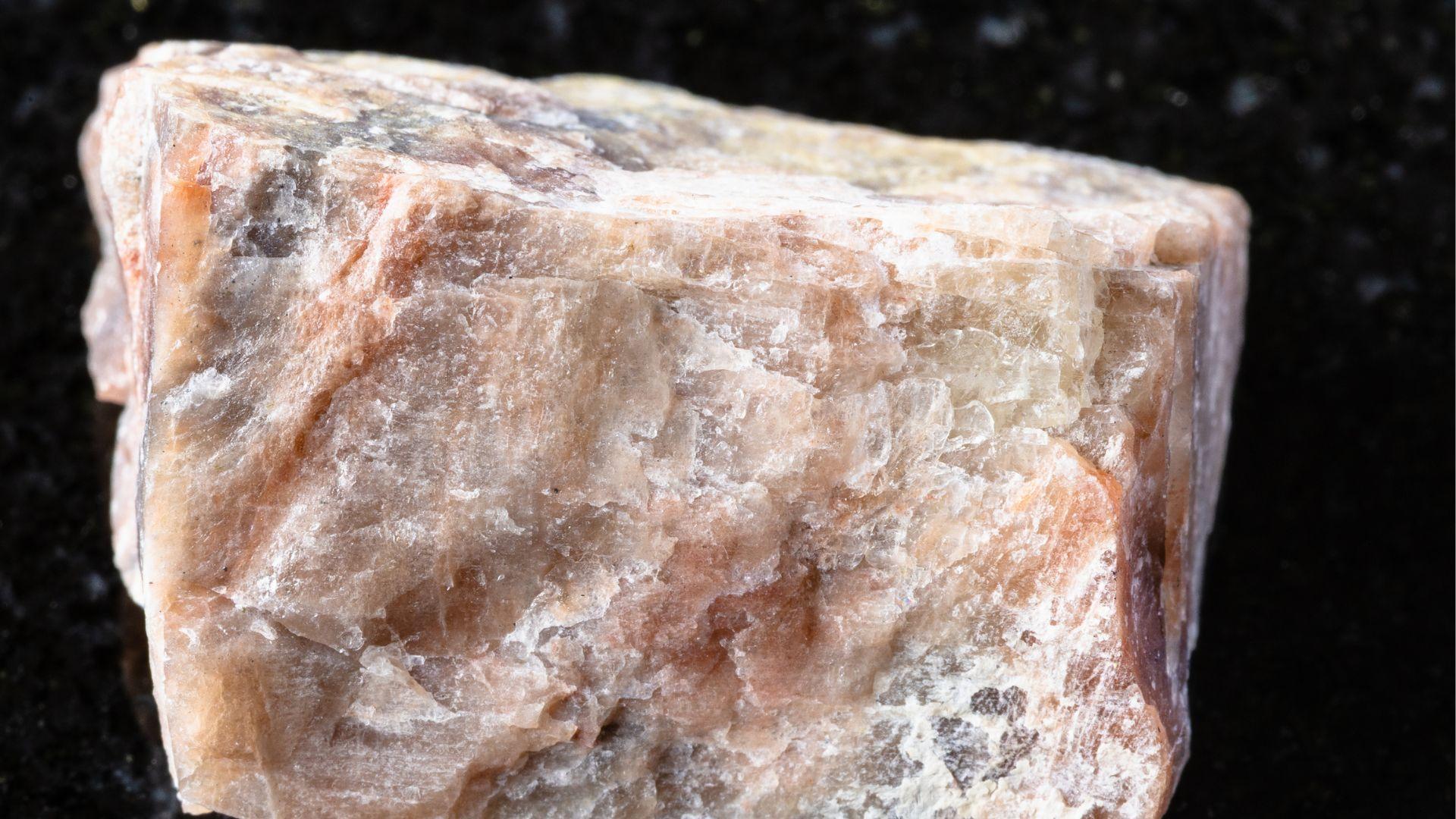
Global Nepheline Market Size and Forecast 2025–2033
The global nepheline market is projected to expand from US$ 179.25 million in 2024 to US$ 230.63 million by 2033, reflecting a CAGR of 2.84% during 2025–2033. Market growth is primarily driven by rising demand from the glass, ceramics, construction, and refractory industries, along with increasing recognition of nepheline’s advantages over conventional raw materials such as feldspar.
As industries prioritize energy efficiency, durability, and sustainable production, nepheline’s chemical composition and performance characteristics position it as a strategic mineral within the global materials economy.
Global Nepheline Market Outlook
Nepheline is a tectosilicate mineral composed mainly of sodium, aluminum, and silica. It typically forms in alkaline igneous rocks and is commonly found in regions with significant volcanic activity. Its mineralogical composition allows it to function as a high-performance industrial raw material.
Nepheline is widely used in the manufacturing of glass and ceramics. Its ability to reduce melting temperatures, improve workability, and enhance finished product quality makes it a preferred alternative to feldspar in many applications.
Major deposits are concentrated in countries such as Canada, Norway, and Russia, ensuring relatively stable industrial supply chains. As manufacturers increasingly seek sustainable, energy-efficient materials, nepheline continues gaining importance across global industrial sectors.
Download Free Sample Report:https://www.renub.com/request-sample-page.php?gturl=global-nepheline-market-p.php
Growth Drivers in the Global Nepheline Market
Growing Demand in Glass Manufacturing
Nepheline’s high alumina and alkali content enhances chemical durability, transparency, and thermal resistance in glass products. By lowering melting temperatures, nepheline reduces energy consumption during glass production, improving process efficiency and lowering emissions.
Global growth in construction and automotive industries has increased demand for flat and container glass. Additionally, renewable energy expansion—especially solar panel production—and the growing use of advanced electronic displays are boosting specialty glass consumption.
In January 2025, AGC Glass Europe announced investment in a new production line in Belgium for ultra-thin insulating vacuum glazing, reflecting rising demand for advanced glass technologies. Such investments strengthen the long-term demand outlook for nepheline-based formulations.
Environmental regulations encouraging sustainable manufacturing further support nepheline’s adoption due to its energy-saving properties.
Increasing Usage in Ceramic and Refractory Applications
Nepheline plays a vital role in ceramics by reducing firing temperatures and enhancing sintering efficiency. Its alumina content improves mechanical strength, brightness, and surface finish in tiles, sanitary ware, and tableware.
In refractories, nepheline contributes to thermal stability and chemical resistance, making it suitable for furnace linings and kiln furniture used in metallurgy and cement industries.
In May 2022, CeramTec GmbH launched a high-performance ceramic substrate for power converter applications, highlighting continued innovation in ceramic technologies that indirectly support nepheline demand.
Rapid urbanization and infrastructure expansion worldwide continue driving ceramic tile and refractory material consumption, strengthening nepheline’s market prospects.
Industrial Shift Toward Lightweight and Sustainable Materials
Energy efficiency and sustainability goals are reshaping raw material selection across industries. Nepheline reduces energy usage in glass and ceramic manufacturing, aligning with global carbon reduction targets.
Its chemical composition allows the production of lightweight yet high-strength materials—critical in sectors such as automotive, aerospace, and construction. Additionally, nepheline produces cleaner melts with reduced emissions, supporting circular economy initiatives.
As industries balance cost, performance, and environmental responsibility, nepheline is increasingly recognized as a strategic mineral.
Challenges in the Global Nepheline Market
Limited Availability and Regional Resource Concentration
High-quality nepheline deposits are geographically concentrated in a few countries, including Canada, Norway, and Russia. This regional concentration creates supply chain risks linked to geopolitical tensions and trade restrictions.
Transportation costs for bulk minerals also affect price competitiveness in distant markets. Establishing new mining operations requires significant capital investment and regulatory approvals, which may delay supply expansion.
Such limitations may restrict broader market penetration despite growing industrial demand.
Competition from Substitute Materials
Nepheline faces competition from feldspar, kaolin, and alumina—materials that are more widely available and often less expensive.
Many manufacturers are hesitant to reformulate established production processes due to cost sensitivity and equipment compatibility concerns. Variations in chemical composition across deposits may also pose consistency challenges.
Unless suppliers ensure price stability and consistent quality, adoption may remain concentrated in high-performance or specialized applications.
Product Segment Analysis
Global Nepheline Syenite Market
Nepheline syenite, an igneous rock rich in feldspathoid minerals, is widely used in glass, ceramics, paints, and plastics. Its low iron content and consistent chemical composition improve product clarity and durability.
The coatings industry benefits from nepheline syenite as a functional filler that enhances smoothness, UV resistance, and mechanical performance. Continued investment in sustainable manufacturing strengthens demand for nepheline syenite globally.
Global Nepheline Monzonite Market
Nepheline monzonite, containing plagioclase and mafic minerals, is utilized in decorative stone, aggregates, and specialized refractory materials. Its strength and durability make it suitable for architectural applications and dimension stone production.
Although smaller in scale compared to syenite, rising awareness of its dual ornamental and industrial utility supports gradual market development.
Application Segment Analysis
Ceramic Products
Nepheline improves glaze quality, reduces firing temperatures, and enhances ceramic brightness and density. Demand for advanced ceramics in electronics and aerospace applications further strengthens this segment.
Glass Products
Nepheline enhances melt fluidity, transparency, and thermal resistance in glass production. It supports sustainable manufacturing by reducing energy usage.
Growth in architectural glass, container glass, and solar panel applications reinforces demand for nepheline-based formulations.
Refractories
Nepheline-based refractories offer superior thermal stability and corrosion resistance in high-temperature environments. Increasing industrialization in emerging economies sustains demand for durable furnace materials.
Regional Market Insights
United States
The U.S. nepheline market benefits from stable demand in glass, ceramics, and coatings industries. Imports—primarily from Canada—ensure supply continuity.
According to the Department of Commerce, U.S. glass production reached 12.8 million tons in 2023, with container glass accounting for 65% of total output. Rising electric vehicle production and advanced automotive glass applications further strengthen demand.
France
France’s glass and ceramics industries emphasize sustainability and energy efficiency. Nepheline’s low melting point aligns with EU environmental standards.
Partnerships with Northern European suppliers ensure stable access to high-purity material, supporting advanced applications in luxury ceramics and specialty glass.
China
China’s expanding construction, automotive, and electronics sectors drive strong demand for nepheline. Domestic exploration efforts aim to reduce reliance on imports.
Energy-efficient manufacturing initiatives align with nepheline’s emission-reduction benefits, supporting long-term growth.
Saudi Arabia
Saudi Arabia’s Vision 2030 initiative promotes industrial diversification and mineral development. Infrastructure expansion and growing local glass and ceramic production stimulate nepheline demand.
Government investment in mining and processing facilities supports supply chain development and long-term industrial sustainability.
Market Segmentation
By Product Type
· Nepheline Syenite
· Nepheline Monzonite
· Nephelinites
By Application
· Ceramic Product
· Glass Product
· Refractories
· Others
By Region
North America (United States, Canada)
Europe (France, Germany, Italy, Spain, United Kingdom, Belgium, Netherlands, Turkey)
Asia Pacific (China, Japan, India, South Korea, Thailand, Malaysia, Indonesia, Australia, New Zealand)
Latin America (Brazil, Mexico, Argentina)
Middle East & Africa (Saudi Arabia, UAE, South Africa)
Key Players Analysis
Leading companies in the global nepheline market include:
· 3M Company
· Agsco Corporation
· Anglo Pacific Minerals Ltd.
· PhosAgro
· SCR Sibelco
· Unimin Corporation
· North Cape Minerals AS
· Anyang Country Mining Co. Ltd.
All companies are evaluated across five perspectives: company overview, key personnel insights, recent developments, SWOT analysis, and revenue performance.
Final Thoughts
The global nepheline market, though modest in size compared to other industrial minerals, plays a strategically important role in glass, ceramics, and refractory production. With projected growth to US$ 230.63 million by 2033, the market reflects steady industrial demand supported by sustainability and energy-efficiency trends.
While supply concentration and competition from substitutes pose challenges, nepheline’s technical advantages—lower melting temperatures, improved durability, and reduced emissions—position it as a valuable component in next-generation manufacturing.
As industries worldwide prioritize greener and more efficient production processes, nepheline is expected to maintain its relevance within the global mineral economy for years to come.

 English
 Arabic
 French
 Spanish
 Portuguese
 Deutsch
 Turkish
 Italiano
 Russian
 Romaian
 Portuguese (Brazil)
 Greek
Greek