


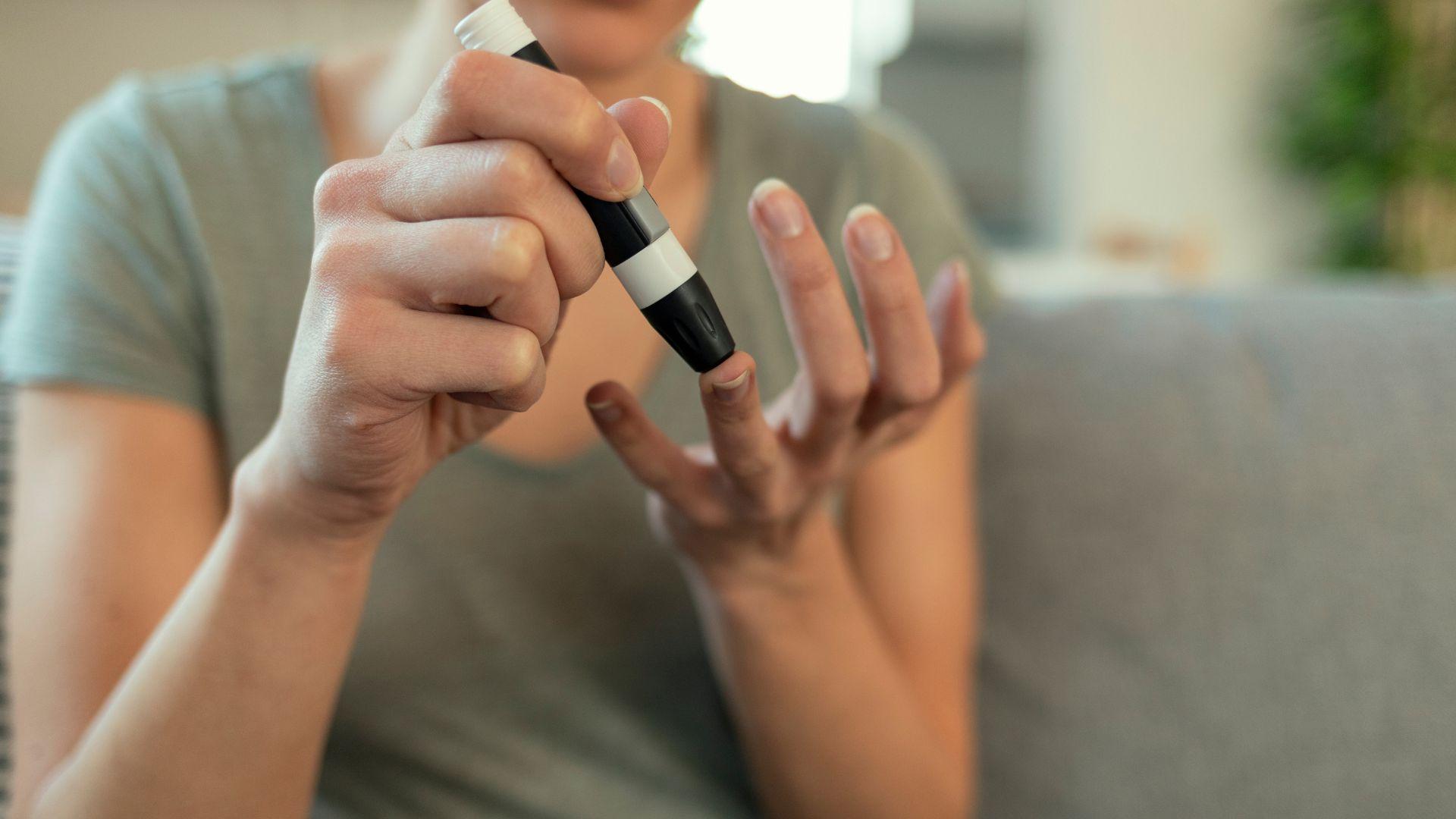
Germany Diabetes Devices Market Size & Forecast, 2026–2034
Germany’s diabetes devices market is poised for strong and sustained growth over the next decade. According to Renub Research, the market is projected to expand from US$ 1,588.90 Million in 2025 to US$ 3,002.0 Million by 2034, registering a robust CAGR of 7.34% from 2026 to 2034.
The expansion is fueled by a rising diabetic population, strong reimbursement support under Germany’s statutory health insurance framework, and high adoption of advanced technologies such as Continuous Glucose Monitoring (CGM) systems and insulin delivery devices. Furthermore, the country’s strategic shift toward digital health and home-based disease management is reinforcing long-term market momentum.
Download Free Sample Report:https://www.renub.com/request-sample-page.php?gturl=germany-diabetes-market-p.php
Germany Diabetes Devices Market Outlook
Diabetes devices refer to medical technologies used to monitor blood glucose levels and administer insulin for effective diabetes management. These include:
-
Self-Monitoring of Blood Glucose (SMBG) meters
-
Continuous Glucose Monitoring (CGM) systems
-
Insulin pumps
-
Insulin pens
These tools help patients track glucose levels in real time, adjust insulin dosages, and reduce risks associated with complications such as hypoglycemia, cardiovascular disease, neuropathy, and kidney damage.
Modern devices are increasingly integrated with mobile applications, cloud connectivity, and data-sharing capabilities, enabling patients and healthcare providers to monitor trends remotely. Germany’s advanced healthcare infrastructure and widespread awareness among physicians and patients have contributed to strong adoption rates.
Key Market Growth Drivers
Increasing Prevalence of Diabetes and Aging Population
Germany has one of the largest diabetic populations in Europe. Lifestyle factors, urbanization, and demographic shifts are contributing to rising incidence rates, particularly type 2 diabetes.
The aging population plays a critical role in market expansion. Individuals aged 65–74 are more susceptible to type 2 diabetes, requiring ongoing glucose monitoring and insulin therapy. Forecasts suggest that the number of people living with type 2 diabetes could potentially double by 2040 compared to 2015 levels.
As prevalence rises, demand for reliable glucose monitoring systems and efficient insulin delivery devices will continue to accelerate.
Strong Reimbursement and Universal Healthcare Coverage
Germany’s healthcare system, particularly its Statutory Health Insurance (SHI) scheme, is central to the rapid adoption of diabetes devices. Approximately 90% of the population is covered under statutory insurance, reducing out-of-pocket expenses for eligible medical technologies.
Reimbursement coverage includes:
-
Glucose monitoring devices
-
Insulin pens
-
Insulin pumps
-
CGM systems for insulin-dependent patients
Disease Management Programs (DMPs) further encourage structured diabetes monitoring, promoting device usage and adherence to treatment protocols. With affordability barriers minimized, physicians are more likely to prescribe advanced technologies, ensuring stable and predictable market growth.
Rapid Adoption of Advanced and Digital Health Technologies
Germany is among Europe’s leaders in digital health adoption. The integration of mobile health (mHealth), telemedicine, and cloud-based monitoring platforms has significantly strengthened diabetes care.
CGM systems, sensor-enabled insulin pumps, and smart insulin pens align with Germany’s evidence-based medical approach. These technologies offer:
-
Real-time glucose tracking
-
Predictive alerts for hypoglycemia
-
Data-driven treatment optimization
-
Remote patient monitoring
In April 2025, the World Health Organization Regional Office for Europe appointed the European Campus Rottal-Inn (DIT-ECRI) at the Deggendorf Institute of Technology as a collaborating center in digital health, highlighting Germany’s growing influence in healthcare digitization.
National digital initiatives and telemedicine expansion are further supporting the integration of connected diabetes devices into routine care.
Market Challenges
Stringent Regulatory Framework
Germany follows strict European regulatory standards emphasizing clinical safety, performance validation, and post-market surveillance. While these safeguards protect patients, they can extend approval timelines and increase compliance costs—particularly for startups and smaller manufacturers.
Securing reimbursement approvals requires demonstrating both clinical effectiveness and economic value, adding complexity to market entry.
Cost Containment Pressures
Despite strong reimbursement, public insurers continuously evaluate cost-effectiveness. Competitive bidding processes and reference pricing mechanisms may place downward pressure on device pricing.
Hospitals and clinics may favor standardized or cost-efficient devices unless premium technologies demonstrate clear clinical superiority.
Segment Analysis
Germany SMBG Devices Market
Self-Monitoring of Blood Glucose (SMBG) devices remain foundational in diabetes care, especially for type 2 patients. The segment includes:
-
Glucometers
-
Test strips
-
Lancets
SMBG continues to be widely prescribed under statutory healthcare coverage. While CGM adoption is increasing, SMBG devices remain relevant due to affordability, reliability, and ease of use.
Manufacturers focus on improving:
-
Measurement accuracy
-
Faster results
-
Reduced blood sample requirements
-
App connectivity
Although competitive, the SMBG segment maintains steady demand.
Germany CGM Devices Market
The CGM segment is the fastest-growing category in the German diabetes devices market. Favorable reimbursement policies and strong physician endorsement are driving adoption among:
-
Type 1 diabetics
-
Insulin-dependent type 2 patients
CGM systems provide continuous, real-time glucose readings and alerts for low or high blood sugar levels. Clinical studies demonstrate improved HbA1c control and reduced glucose variability.
Product differentiation in this segment depends on:
-
Sensor accuracy
-
Wear duration
-
User comfort
-
Data analytics capabilities
Integration with smartphones and cloud platforms enhances convenience and patient engagement.
Germany Insulin Pumps Market
Insulin pumps serve patients requiring intensive insulin therapy, particularly those with type 1 diabetes. These devices provide precise basal-bolus insulin delivery and support tighter glycemic control.
Recent innovations include:
-
Integration with CGM systems
-
Automated insulin delivery (AID) functionality
-
Smart algorithms
Although pump therapy requires patient training and education, Germany’s specialized diabetes centers and clinics support structured onboarding, encouraging gradual but steady adoption.
Germany Insulin Pens Market
Insulin pens represent the largest segment for insulin delivery due to ease of use and affordability. They are widely preferred among type 2 diabetics and elderly patients.
Advantages include:
-
Reduced dosing errors
-
Improved portability
-
Greater adherence
-
Simplified insulin administration
Smart insulin pens featuring memory tracking and smartphone connectivity are gaining traction, bridging traditional methods with digital monitoring capabilities.
Distribution Channel Insights
Hospital Pharmacies Market
Hospital pharmacies play a vital role in initiating advanced diabetes therapies. Patients often receive their first CGM system or insulin pump during hospital stays or specialist consultations.
Hospitals influence brand preference through formularies and procurement contracts, making them strategic gateways for manufacturers. Education and device training conducted in hospitals further drive adoption.
Online Pharmacies Market
Online pharmacies are emerging as a significant sales channel for diabetes consumables, including:
-
Test strips
-
Needles
-
CGM accessories
Convenience, transparent pricing, and home delivery services appeal to digitally engaged patients. As Germany’s digital health ecosystem expands, online pharmacies are transitioning from supplementary channels to mainstream distribution platforms.
City-Level Insights
Frankfurt Diabetes Devices Market
Frankfurt’s strong healthcare infrastructure and high disposable income contribute to substantial demand for SMBG systems and insulin pens. CGM devices are increasingly adopted among insulin-dependent patients, particularly due to access to advanced hospital facilities and educational programs.
Online pharmacies are popular among working professionals seeking convenient refills.
Hamburg Diabetes Devices Market
Hamburg demonstrates steady demand driven by chronic disease management and strong hospital networks. SMBG and insulin pens remain dominant due to affordability and familiarity, while CGMs are gaining traction in specialized diabetes clinics.
Retail and online pharmacies continue serving as primary distribution channels.
Berlin Diabetes Devices Market
Berlin’s diverse and technology-driven population supports strong demand across all device categories. CGM systems are particularly popular in university hospitals and tech-savvy patient communities.
Public healthcare facilities emphasize cost-effectiveness, sustaining SMBG and insulin pen adoption, while digital connectivity strengthens the appeal of smart devices.
Market Segmentation
By Type
-
Self-Monitoring Devices
-
Continuous Glucose Monitoring Devices
-
Insulin Pumps
-
Insulin Pens
By End User
-
Hospitals
-
Diagnostic Centers
-
Homecare
By Cities
-
Frankfurt
-
Munich
-
Hamburg
-
Berlin
-
Düsseldorf
-
Stuttgart
-
Cologne
-
Leipzig
-
Nuremberg
-
Dortmund
-
Rest of Cities
Competitive Landscape
Major companies shaping the Germany diabetes devices market include:
-
Abbott Laboratories
-
Roche
-
Dexcom Inc.
-
Medtronic
-
Novo Nordisk A/S
-
Eli Lilly
-
Sanofi
These companies focus on product innovation, digital integration, clinical research, and strategic collaborations to strengthen their market presence.
Final Thoughts
Germany’s diabetes devices market is on a high-growth trajectory, expected to surpass US$ 3.0 Billion by 2034. Strong reimbursement support, advanced healthcare infrastructure, and rapid digital health adoption create a highly favorable environment for innovation.
While regulatory complexities and pricing pressures pose challenges, the increasing burden of diabetes and the country’s commitment to evidence-based care ensure sustained demand for advanced monitoring and insulin delivery technologies.
As digital health solutions mature and home-based care becomes central to chronic disease management, Germany is positioned to remain one of Europe’s most dynamic and technologically advanced diabetes device markets.

 Arabic
 French
 Spanish
 Portuguese
 Deutsch
 Turkish
 Dutch
Dutch
 Italiano
 Russian
 Romaian
 Portuguese (Brazil)
 Greek
Greek