


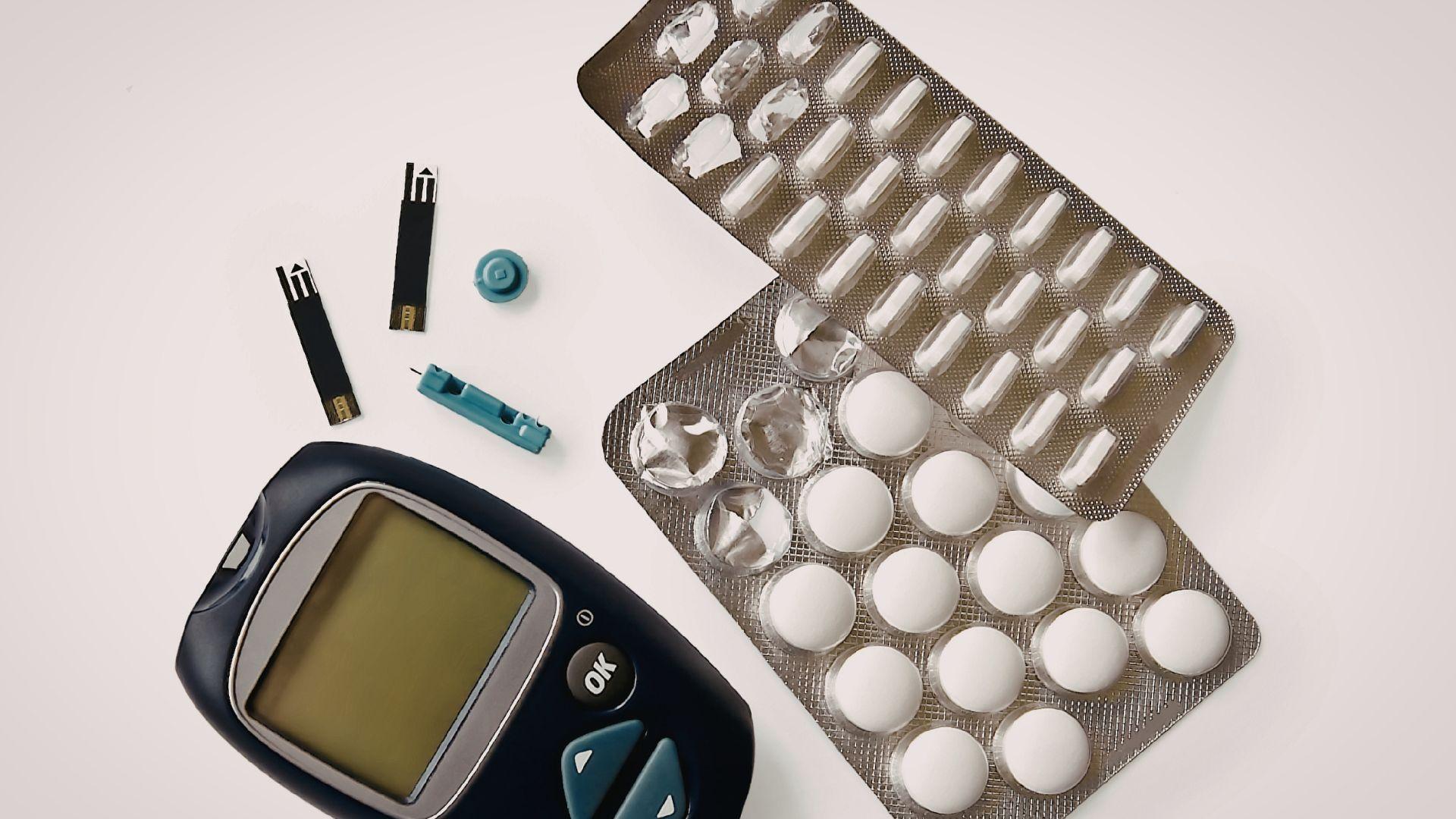
Australia Diabetes Devices Market Size & Forecast 2026-2034
The Australia Diabetes Devices Market is projected to witness steady growth over the next decade. According to Renub Research, the market is forecasted to expand from US$ 662.81 Million in 2025 to US$ 1,246.29 Million by 2034, registering a CAGR of 7.28% between 2026 and 2034.
The expansion is fueled by rising diabetes prevalence, an aging population, strong government-backed reimbursement mechanisms, and growing adoption of advanced technologies such as Continuous Glucose Monitors (CGMs) and insulin pumps. As Australia continues strengthening its public healthcare system and digital health infrastructure, diabetes device adoption is expected to accelerate nationwide.
Australia Diabetes Device Market Outlook
Diabetes devices are medical technologies designed to help individuals monitor blood glucose levels and administer insulin effectively. These include:
-
Self-Monitoring of Blood Glucose (SMBG) meters
-
Continuous Glucose Monitoring (CGM) systems
-
Insulin pens
-
Insulin pumps
-
Connected digital health platforms
Modern devices increasingly integrate with smartphones and cloud-based systems, enabling real-time data tracking and remote physician monitoring. This connectivity improves glycemic control and reduces the risk of complications.
In Australia, diabetes device usage remains widespread due to high disease prevalence and a well-established public healthcare system. Government reimbursement schemes and private insurance plans improve affordability and encourage adoption of both monitoring and insulin delivery technologies.
The country’s geographically dispersed population further strengthens demand for home-based diabetes management solutions, reducing reliance on frequent hospital visits.
Download Free Sample Report:https://www.renub.com/request-sample-page.php?gturl=australia-diabetes-market-p.php
Key Growth Drivers
Rising Diabetes Incidence and Aging Population
Australia’s aging demographic plays a critical role in driving diabetes device demand. Over 16% of the population is already aged 65 and above, and this proportion is projected to rise significantly in the coming decades.
Lifestyle-related risk factors such as obesity, sedentary habits, and dietary changes continue to increase type 2 diabetes cases. Currently, around 1.9 million Australians live with diabetes, including approximately 500,000 undiagnosed individuals with type 2 diabetes.
Older adults require long-term glucose monitoring and insulin therapy management. This creates sustained demand for:
-
SMBG devices
-
CGM systems
-
Insulin pens
-
Insulin pumps
Healthcare professionals increasingly emphasize continuous monitoring to prevent complications such as cardiovascular disease, neuropathy, and kidney disorders. Devices that allow patients to manage their condition from home are especially valued, particularly in remote regions.
Strong Government Support and Reimbursement Mechanisms
Australia’s healthcare system provides comprehensive support for diabetes care through structured funding programs and subsidy schemes. Government-backed initiatives reduce patient out-of-pocket costs for glucose meters, insulin delivery pens, and consumables.
This funding certainty encourages physicians to prescribe advanced devices and accelerates adoption of newer technologies like CGMs and automated insulin systems.
Supportive healthcare policies align with national strategies focused on reducing long-term healthcare expenditure by preventing complications. Investment in early diagnosis, preventive care, and chronic disease management strengthens market growth conditions for manufacturers and distributors.
Market Challenges
High Device and Consumable Costs
Despite reimbursement support, advanced diabetes technologies — particularly CGM systems and insulin pumps — remain relatively expensive. Ongoing costs for sensors, consumables, and upgrades may discourage long-term compliance among some patients.
Manufacturers also face pricing pressure from government agencies and insurers aiming to balance cost-effectiveness with innovation. This can limit profit margins and influence technology rollout strategies.
Access Barriers in Rural and Remote Areas
Australia’s vast geography presents logistical challenges in healthcare delivery. Rural and remote populations may face limited access to specialist services and diabetes education programs.
Advanced technologies such as insulin pumps and CGMs often require specialist supervision and patient training, which may not be readily available outside major urban centers. While telehealth has improved monitoring capabilities, equitable access to cutting-edge devices remains an ongoing policy focus.
Segment Analysis
Australia SMBG Device Market
The SMBG segment remains foundational in Australian diabetes care. Glucose meters and test strips are widely used, especially among type 2 diabetes patients and those not yet transitioned to CGM systems.
Government subsidies and insurance coverage enhance affordability, particularly for elderly populations. Although CGM adoption is increasing, SMBG remains crucial for short-term monitoring and therapy adjustments.
Competition in this segment focuses on accuracy, ease of use, minimal blood sample requirements, and mobile connectivity features.
Australia CGM Device Market
The CGM market represents one of the fastest-growing segments within the diabetes technology industry in Australia. Real-time glucose tracking, automated alerts, and smartphone connectivity have transformed diabetes management.
CGMs are particularly prevalent among type 1 diabetes patients and insulin-dependent type 2 patients. Integration with telehealth systems enables physicians to monitor patient data remotely, reducing the need for in-person visits.
Companies such as Dexcom Inc and Abbott Laboratories are expanding their footprint in Australia through innovative sensor platforms.
Government reimbursement initiatives further support widespread CGM adoption.
Australia Insulin Pump Device Market
The insulin pump market in Australia is specialized but steadily expanding. These devices provide continuous subcutaneous insulin infusion, offering improved flexibility compared to multiple daily injections.
Advanced systems now integrate CGM technology for semi-automated insulin delivery based on glucose readings. Companies such as Medtronic and Insulet Corporation are active in this segment.
However, high upfront costs and the need for specialized patient training limit broader adoption.
Australia Insulin Pen Device Market
Insulin pens remain the most widely used insulin delivery devices in Australia. Their portability, dosing accuracy, and convenience make them particularly popular among elderly and type 2 diabetes patients.
Both prefilled and reusable pens are commonly used. Increasing innovation in connected “smart pens” — which record and sync dosage data — is gradually enhancing adherence and monitoring efficiency.
Leading pharmaceutical players include Novo Nordisk A/S and Eli Lilly.
End-User Analysis
Hospital Market
Hospitals play a central role in diagnosis, device initiation, and patient education. First-time adoption of CGM systems and insulin pumps frequently occurs in hospital settings under specialist supervision.
Procurement decisions within hospitals are influenced by national clinical guidelines and reimbursement frameworks, ensuring stable institutional demand.
Homecare Market
Homecare represents a rapidly expanding segment in Australia. Patients increasingly prefer managing diabetes outside traditional healthcare settings.
Remote monitoring technologies, telehealth consultations, and smartphone-connected devices support patient autonomy. This trend is particularly significant for rural and remote communities, where travel to healthcare facilities can be challenging.
Government initiatives encouraging patient-centered care models continue to support home-based management growth.
State-Level Insights
Victoria
Victoria stands among the most advanced diabetes device markets in Australia. Melbourne’s strong healthcare infrastructure and high digital health literacy drive adoption of CGMs, insulin pumps, and smart insulin pens.
Public hospitals and pharmacies contribute to strong device distribution and utilization.
Queensland
Queensland’s market reflects a blend of urban and regional dynamics. SMBG systems and insulin pens dominate in rural areas, while CGM adoption grows in major cities like Brisbane.
Telehealth services significantly enhance remote patient monitoring across the state.
South Australia
South Australia’s market is characterized by stable growth driven by an aging population. While cost sensitivity affects rapid adoption of advanced technologies, established SMBG and insulin pen markets remain strong.
Tasmania
Tasmania has one of the highest diabetes prevalence rates in Australia. Demand centers primarily on SMBG systems and insulin pens, with limited but growing access to advanced CGM technologies.
Telemedicine and home-delivery models are increasingly important in improving healthcare accessibility across the state.
Market Segmentation
By Type
-
Self-Monitoring Devices
-
Continuous Glucose Monitoring Devices
-
Insulin Pumps
-
Insulin Pens
By End User
-
Hospitals
-
Diagnostic Centers
-
Homecare
By State
New South Wales, Victoria, Queensland, Western Australia, South Australia, Australian Capital Territory, Tasmania, Northern Territory
Competitive Landscape
The Australia Diabetes Devices Market features both global leaders and regional distributors. Key companies include:
-
Novo Nordisk A/S
-
Eli Lilly
-
Roche
-
Abbott Laboratories
-
Insulet Corporation
-
Dexcom Inc
-
Medtronic
-
Ypsomed AG
Companies are focusing on innovation, reimbursement collaboration, telehealth integration, and strategic partnerships to expand market presence.
Final Thoughts
The Australia Diabetes Devices Market is on a stable upward path, supported by demographic trends, government-backed healthcare frameworks, and technological innovation.
With the market projected to grow from US$ 662.81 Million in 2025 to US$ 1,246.29 Million by 2034 at a CAGR of 7.28%, opportunities remain strong across CGM systems, insulin pumps, and connected insulin pens.
While challenges such as cost pressures and rural access disparities persist, ongoing policy support and digital health expansion are expected to drive sustainable long-term growth. As patient-centered care models continue evolving, diabetes device innovation will remain central to Australia’s chronic disease management strategy.

 English
 Arabic
 French
 Spanish
 Portuguese
 Deutsch
 Turkish
 Dutch
Dutch
 Russian
 Romaian
 Portuguese (Brazil)
 Greek
Greek