


Dead Animals in Your Walls: What to Do and How to Prevent It
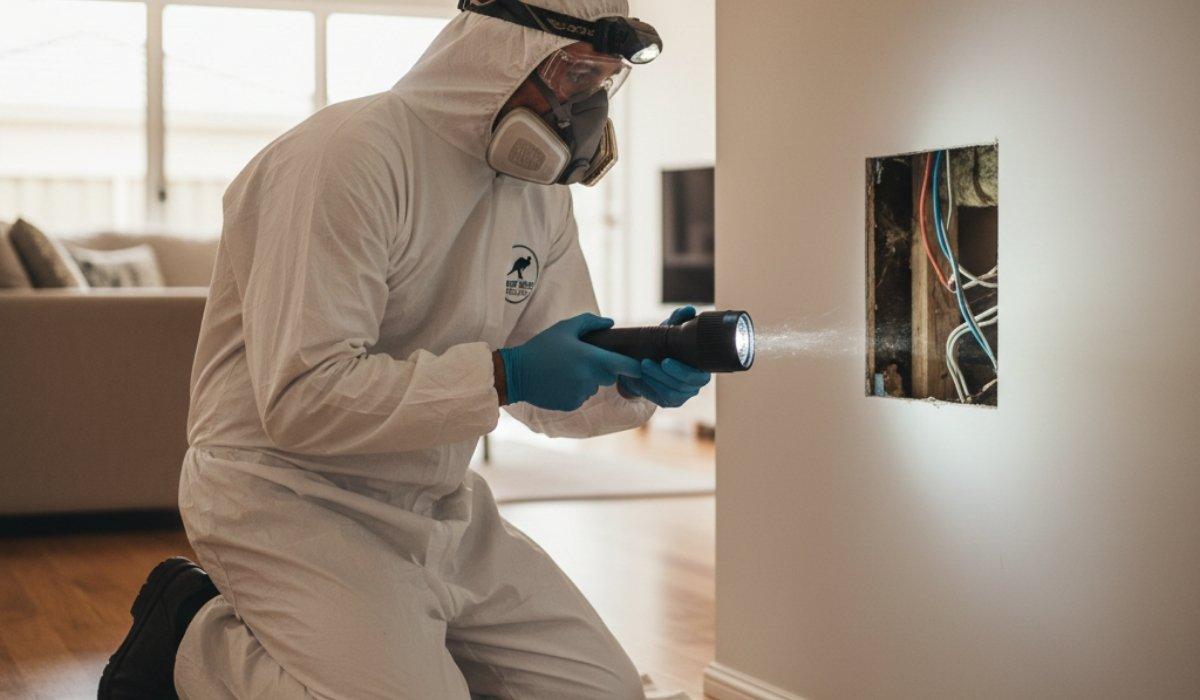
There are few things more unsettling for a homeowner than catching a whiff of something foul with no obvious source. You check the bins, clean the kitchen, and still — the smell persists. If you have been dealing with an unexplained, intensifying odour inside your home, there is a very real chance that a dead animal is decomposing somewhere inside your wall cavities. It is a more common problem than most people realise, and for households across Melbourne's inner suburbs, timely Dead Animal Removal Reservoir services have become an increasingly sought-after solution as older homes with accessible roof voids and wall gaps continue to attract rodents and wildlife.
Why Do Animals End Up Inside Walls?
Understanding how animals get into your walls in the first place is the foundation of both solving the immediate problem and preventing it from happening again.
Rodents — particularly rats and mice — are natural burrowers and explorers. They squeeze through gaps as small as a 20-cent coin and routinely travel through wall cavities, roof voids, and subfloor spaces in search of warmth, food, and shelter. Possums, too, are notorious for finding their way into roof spaces and occasionally falling into wall gaps from which they cannot escape.
In many cases, the animal enters the wall cavity deliberately, drawn in by the warmth or the scent of food. In other instances, particularly with younger or smaller animals, they simply become trapped and are unable to find their way back out. Without food or water, they deteriorate quickly — and that is when the real problem begins.
Australian homes, especially those built before the 1980s, tend to have more entry points due to ageing materials, deteriorating weatherboards, and gaps around plumbing and electrical conduits. This makes older suburban homes particularly vulnerable to exactly this type of situation.
How to Tell If There Is a Dead Animal in Your Wall
Identifying the presence of a dead animal inside a wall is not always straightforward, but there are several telltale signs that can help you pinpoint the issue early.
Persistent, Worsening Odour The most obvious indicator is smell. A dead animal produces a pungent, sweet-yet-putrid odour that intensifies over the first few days before gradually fading as decomposition progresses. If the smell seems to be concentrated in one area of your home — near a particular wall, corner, or vent — that is a strong indicator of a nearby carcass.
Increased Fly and Insect Activity Blowflies are acutely sensitive to the smell of decomposing matter. If you are suddenly noticing clusters of flies around a specific wall, window, or vent — particularly if they appear to be coming from inside rather than outside — this is a significant warning sign.
Unexplained Stains on Walls or Ceilings As a carcass decomposes, it releases fluids that can seep through plasterboard or timber, creating dark, irregular stains on interior surfaces. If you notice a stain appearing with no clear explanation such as a leak, a dead animal in the wall cavity could be responsible.
Scratching or Movement Sounds That Have Stopped Many homeowners notice scratching, scurrying, or movement sounds in their walls before the smell begins. If those sounds have suddenly stopped, it may indicate that the animal has died and decomposition has begun.
Secondary Pest Activity An uptick in rodent sightings, flea activity, or other pest-related issues can indicate that a carcass inside your wall is attracting additional pests looking for either food or a new host.
The Health Risks You Cannot Ignore
A dead animal inside a wall is not merely an unpleasant inconvenience — it is a genuine health hazard. The confined space of a wall cavity concentrates the bacteria, gases, and fluids produced during decomposition, and these can enter your living spaces through gaps, vents, and cracks.
Exposure to airborne pathogens released by decomposing animals has been linked to respiratory issues, nausea, and in more serious cases, bacterial infections. Families with young children, elderly members, or anyone with a compromised immune system face elevated risks and should treat the situation with particular urgency.
Parasites including fleas, mites, and ticks that previously lived on the animal will quickly seek out new hosts once the carcass is no longer viable. Inside a wall cavity, these parasites can travel through gaps into your living areas, creating a secondary infestation that compounds the original problem.
What to Do When You Suspect a Dead Animal in Your Wall
If you suspect a dead animal is present inside your wall, the steps you take in the hours and days immediately following that discovery make a significant difference to how much damage occurs and how quickly the situation is resolved.
Step 1 — Do Not Attempt to Open the Wall Yourself While it may be tempting to cut into plasterboard to investigate, doing so without knowing exactly where the carcass is located can expose you directly to decomposition fluids and bacteria. It can also cause unnecessary structural damage if the animal is not where you expect it to be.
Step 2 — Identify the Strongest Odour Point Walk along the wall slowly and note where the smell is most concentrated. Check nearby vents, skirting boards, and light switches, as these gaps can carry odour outward and may help narrow down the location.
Step 3 — Ventilate Where Possible Open windows and doors to improve airflow through your home. Use fans to direct airflow outward rather than circulating potentially contaminated air. Avoid using air conditioning systems set to recirculate, as this can spread airborne particles throughout the home.
Step 4 — Keep Children and Pets Away from the Area Until the carcass has been removed and the area sanitised, restrict access to the affected part of the home as much as possible.
Step 5 — Contact a Professional Removal Service This is the most critical step. Professional pest and animal removal technicians have thermal imaging tools, borescopes, and extensive experience locating carcasses within wall cavities without unnecessary damage to your home. They can remove the animal safely, sanitise the affected area, and advise on how to seal entry points to prevent recurrence.
For homeowners in Melbourne's inner south, professional Dead Animal Removal South Yarra services offer exactly this kind of targeted, efficient response — minimising both the health risk and the disruption to your household.
The Removal and Remediation Process
Once a professional locates the carcass, the removal process involves carefully accessing the wall cavity through the least invasive point possible. The technician will remove the animal using appropriate protective equipment and dispose of it in accordance with local regulations — particularly important if the animal turns out to be a protected native species such as a possum.
Following removal, the cavity is treated with a specialised deodoriser and disinfectant to neutralise bacterial contamination and eliminate residual odour. In cases where decomposition fluids have saturated surrounding materials, additional remediation may be required, including the replacement of insulation or sections of plasterboard.
The technician should also conduct a thorough inspection of entry points — identifying and recommending the sealing of gaps, holes, or damaged areas that allowed the animal access in the first place.
How to Prevent Dead Animals in Your Walls
Prevention is always more straightforward than dealing with the aftermath. Here are the most effective measures Australian homeowners can take to reduce the likelihood of animals entering wall cavities.
Seal All Entry Points Inspect the exterior of your home regularly for gaps around pipes, cables, vents, and weatherboards. Use steel wool, metal mesh, or purpose-made gap fillers to seal any openings larger than a centimetre. Pay particular attention to the roofline, eaves, and areas where utilities enter the building.
Install Proper Vent Covers Subfloor and roof vents are common entry points for rodents and possums. Ensure all vents are fitted with fine metal mesh covers that cannot be chewed through or pushed aside.
Manage Vegetation Around Your Home Overhanging branches, dense shrubs, and climbing plants provide easy access routes onto roofs and into eaves. Trim trees and vegetation back from the structure of your home to reduce the likelihood of wildlife gaining access.
Address Existing Pest Problems Promptly If you already have a rodent problem inside your home, addressing it quickly and comprehensively reduces the chance of an animal dying in an inaccessible location. Work with a licensed pest control professional to implement a full eradication and exclusion program rather than relying solely on baits or traps.
Schedule Annual Property Inspections Having your roof void, subfloor, and wall cavities inspected annually by a pest professional allows you to identify and address vulnerabilities before they result in a more serious problem.
Final Thoughts
A dead animal inside your walls is one of those household problems that does not get better with time — it only gets worse. The odour intensifies, the health risks compound, and the structural damage deepens the longer the situation goes unaddressed. Acting quickly, calling in experienced professionals, and taking proactive steps to seal your home against future entry are the three pillars of handling this issue effectively.
If you are dealing with this situation right now, do not wait. The sooner it is addressed, the sooner your home is safe, fresh, and back to normal.


 English
 Arabic
 French
 Spanish
 Portuguese
 Deutsch
 Turkish
 Dutch
Dutch
 Italiano
 Romaian
 Portuguese (Brazil)
 Greek
Greek