


Common Electrical Wire Applications by Gauge
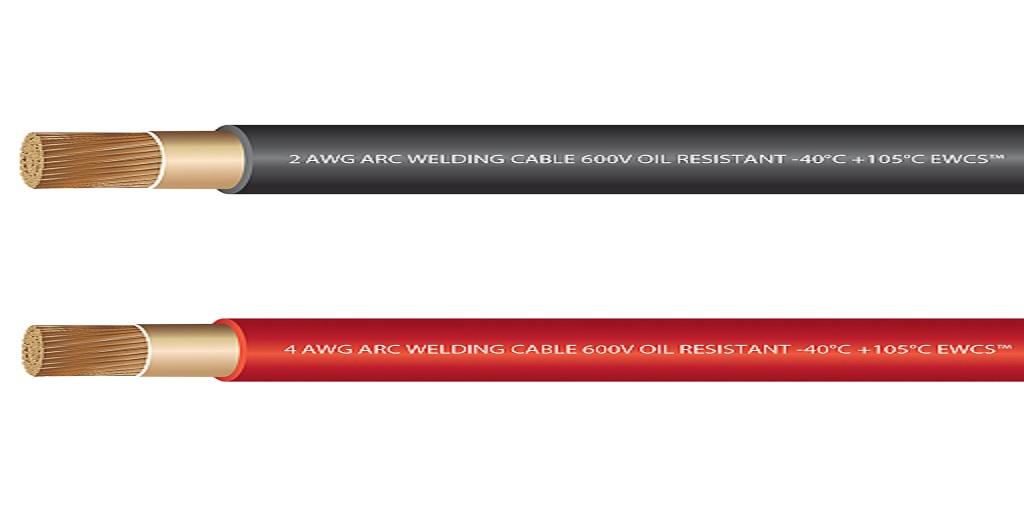
Electrical wire gauge is one of the most important aspects of selecting the right wire for the job. Qualified according to AWG, or American Wire Gauge, gauge is basically the diameter of the wire or cable.
This short post will break down some common wires by AWG size as well as what they are used for.
What Is American Wire Gauge (AWG)
American Wire Gauge is a system commonly used in North America which gives the diameter of a wire. One important note regarding AWG is that it is an inversely proportional scale, so a larger number corresponds to a smaller wire.
The following are among the most common American wire gauges as well as what they are used for.
18 AWG and Smaller
At .040” in diameter, 18 AWG wire is one of the smallest sizes commonly encountered, although thinner wires are also sometimes used like it in circuits for doorbells, thermostats, and alarm systems, such as fire alarm systems.
14 AWG
Slightly thicker than 18 AWG wire, 14 AWG wire is .064” in diameter and since it is larger it can be used for slightly higher current or voltage applications. It is commonly used for standard residential applications like outlet wiring, lighting, and general residential wiring.
12 AWG
Another step up from 14 AWG, 12 AWG, at .081”, has a higher ampacity than 14 AWG wires is used for similar applications to 14 AWG wire, but those requiring slightly higher voltage and amp ratings.
10 AWG
At .102” inches, 10 AWG wire is used for even higher voltage and ampacity circuits. It is commonly used for small appliances such as window air conditioner units and small electric ovens.
8 AWG and 6 AWG
Both 8 AWG (.129”) and 6 AWG wire (.162”) are among the biggest wires you will commonly encounter in a domestic residence. They are used for larger circuits responsible for powering somewhat larger appliances, such as central air conditioning systems and electric ranges.
4 AWG and Larger
Anything larger than 6 AWG wire is only rarely encountered around a home and these larger wires are generally reserved for higher voltage and ampacity applications. For instance, 4 AWG wire (.204”) and larger wires are used in industrial and commercial applications for equipment and service feeds.
A Note on What Makes “Appropriate” Gauge
A thinner diameter wire is less capable of handling a higher voltage and current than a thicker wire, which can do so safely without the risk of overheating, and without a higher risk of electrical shock.
Conductor Count
However, it is also important to note that as the diameter of a wire increases, so too do the weight and the stiffness of the wire.
Therefore, as a wire increases in thickness, the higher the likelihood is that it will be made with a higher conductor count. The use of a larger number of more finely stranded conductors helps keep a wire more flexible and less likely to break when it is bent numerous times.
Hence, specialty cables, such as battery cable and solar panel cable, as well as thicker wires, are usually made with a larger conductor count.
Explore High Quality Electrical Wire and EWCS Wire
Want to learn more about speciality electrical cable and what it’s used for? Visit EWCS Wire. They run an informative blog with plenty of useful high-level information for those interested in electrical wire and cable.
They also carry a wide range of high quality electrical wire and cable as well. Visit their website and if you have any questions get in touch with them.
For more information about Marine Battery Wire and Security Alarm Cables Please visit: Electrical Wire & Cable Specialists.


 Arabic
 French
 Spanish
 Portuguese
 Deutsch
 Turkish
 Dutch
Dutch
 Italiano
 Russian
 Romaian
 Portuguese (Brazil)
 Greek
Greek