


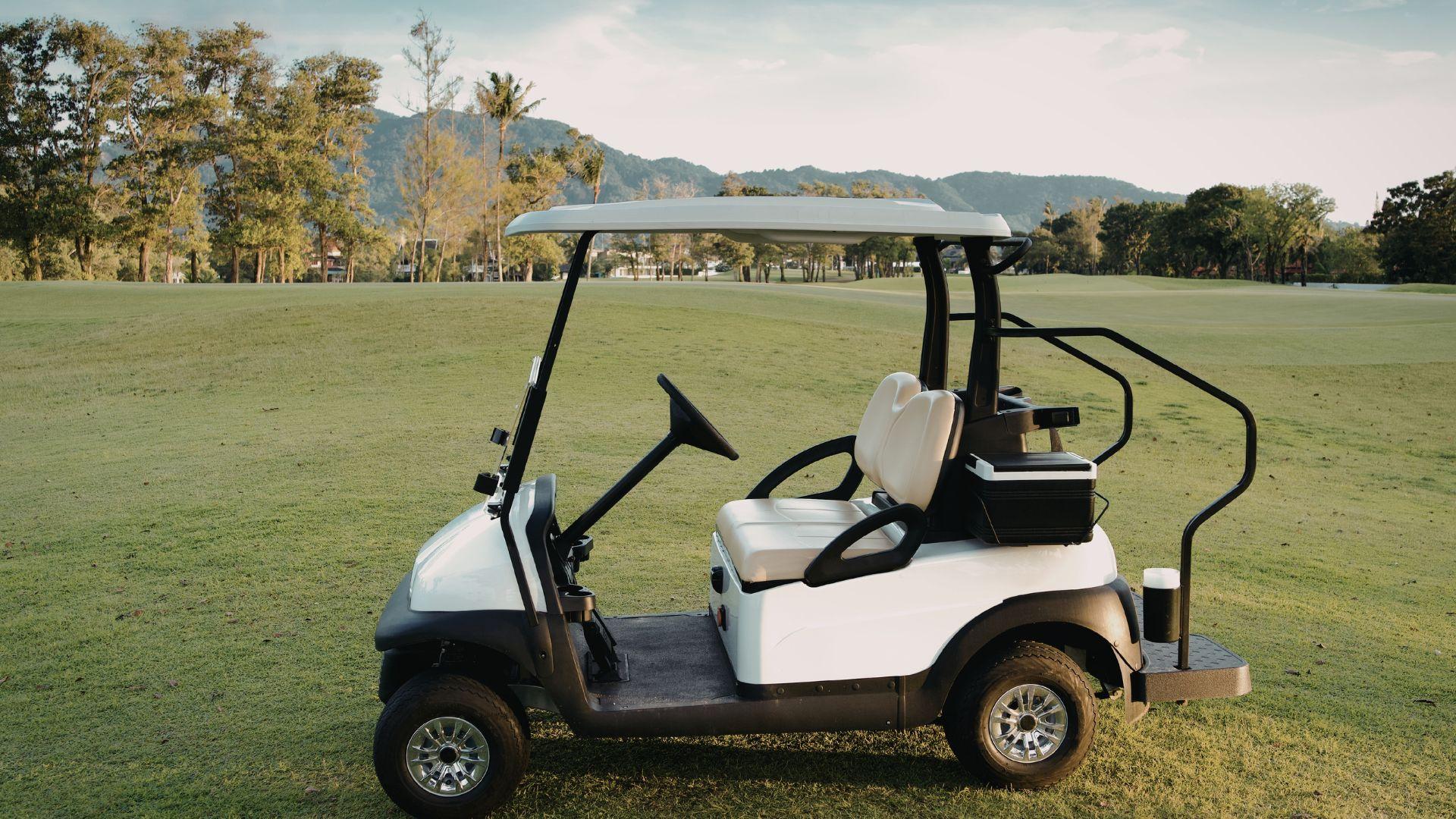
United States Golf Cart Market Forecast 2033: Electric Mobility and Lifestyle Communities Drive Growth
The United States golf cart market is experiencing steady growth as these compact vehicles evolve beyond traditional golf course transportation into versatile mobility solutions for residential, commercial, and industrial environments. Increasing participation in golf, the expansion of tourism and lifestyle communities, and the rising demand for eco-friendly electric vehicles are contributing to the market’s expansion.
According to analysis by Renub Research, the United States Golf Cart Market is expected to grow from US$0.59 billion in 2024 to US$0.92 billion by 2033, representing a compound annual growth rate (CAGR) of 5.05% between 2025 and 2033.
Golf carts are increasingly being used in residential communities, resorts, universities, airports, and industrial campuses as convenient short-distance transportation solutions. Combined with advancements in electric mobility technology and customizable vehicle designs, these factors are transforming golf carts into an important segment within the broader light electric vehicle market in the United States.
Golf Carts Expanding Beyond Golf Courses
Traditionally, golf carts were designed as small vehicles used to transport golfers and their equipment across golf courses. Powered by either gasoline or electric motors, these vehicles offered efficient mobility while minimizing disruption on course grounds.
However, in recent years, golf carts have evolved into versatile vehicles used for a variety of applications beyond the sport itself. Their compact size, low operating costs, and ease of maneuverability make them suitable for short-distance transportation in many environments.
Today, golf carts are commonly used in:
-
Gated residential communities
-
Resorts and tourism destinations
-
University campuses
-
Airports and large commercial complexes
-
Industrial and warehouse facilities
Modern golf carts also incorporate advanced design features such as improved seating comfort, safety enhancements, digital dashboards, and energy-efficient electric drivetrains.
As sustainability and lifestyle mobility trends continue to grow, golf carts are increasingly recognized as practical transportation solutions for both recreational and commercial settings.
Rising Golf Participation Supporting Market Demand
One of the primary factors supporting the growth of the U.S. golf cart market is the increasing popularity of golf as a recreational sport.
Golf participation has expanded significantly in recent years, attracting new demographics including younger players, women, and corporate professionals. This growth is increasing demand for golf carts not only for player transportation but also for course maintenance and management operations.
Many communities and municipalities are also investing in public golf courses to make the sport more accessible. These developments create consistent demand for golf carts across both private and public golf facilities.
Additionally, golf tourism is growing in the United States, with many travelers visiting resort destinations known for their premium golf courses. This trend further contributes to the demand for golf carts within the hospitality and tourism sectors.
Shift Toward Electric Golf Carts
The U.S. golf cart market is undergoing a significant transition from gasoline-powered vehicles to electric models.
Electric golf carts are gaining popularity due to their environmental advantages, lower maintenance costs, and quieter operation compared with gas-powered alternatives. These benefits align with growing consumer interest in sustainable mobility solutions.
Manufacturers are introducing advanced electric models equipped with lithium-ion batteries, regenerative braking systems, and intelligent control technologies that improve vehicle efficiency and driving range.
For example, new electric golf carts equipped with high-capacity batteries and smart digital features are entering the market, offering improved performance and enhanced user experiences.
These innovations are making electric golf carts more appealing to both individual consumers and commercial operators seeking eco-friendly transportation solutions.
Technological Innovations Enhancing Golf Cart Performance
Technological advancements are significantly improving the functionality and appeal of modern golf carts.
Manufacturers are integrating a range of innovative features to enhance comfort, safety, and connectivity. Some of the latest golf cart models include:
-
GPS navigation systems
-
Digital touchscreen displays
-
Smartphone connectivity
-
Improved suspension systems
-
Advanced battery management technology
These features enhance the overall user experience while making golf carts more practical for everyday transportation.
Advances in lithium-ion battery technology are particularly important, as they provide longer driving ranges, faster charging times, and improved durability compared with traditional lead-acid batteries.
Manufacturers are also exploring telematics and automation technologies that allow fleet operators to monitor vehicle performance, optimize routes, and manage maintenance schedules more efficiently.
Lifestyle Communities Driving New Applications
Lifestyle communities and retirement developments are emerging as major drivers of golf cart adoption in the United States.
In many gated communities and planned residential developments, golf carts are widely used for short-distance transportation between homes, community centers, and recreational facilities.
These communities often encourage golf cart use as an eco-friendly and convenient alternative to traditional vehicles.
In addition to residential applications, golf carts are commonly used in hospitality environments such as resorts, theme parks, and large event venues.
Universities and industrial campuses are also adopting golf carts for internal transportation and maintenance operations.
This expanding range of applications is helping broaden the market beyond traditional golf course use.
Market Challenges: High Initial Costs
Despite the positive growth outlook, the golf cart market faces certain challenges.
One of the main barriers to wider adoption is the relatively high upfront cost of advanced electric golf carts. Models equipped with lithium-ion batteries, smart displays, and luxury features can be expensive for budget-conscious consumers and smaller businesses.
Although electric carts offer lower operating and maintenance costs compared with gas-powered vehicles, the initial investment may discourage some buyers.
Limited financing options and leasing programs can also affect purchasing decisions for both individual consumers and commercial operators.
Manufacturers and financial institutions are responding by introducing new financing and payment solutions to improve accessibility for potential buyers.
Regulatory and Infrastructure Challenges
Another challenge affecting the market is the lack of consistent regulations governing the use of golf carts and low-speed vehicles on public roads.
Different states and municipalities have varying rules regarding licensing, safety requirements, and permissible road usage for golf carts. These regulatory inconsistencies can create confusion for consumers and limit broader adoption.
In addition, the expansion of electric golf carts in urban and residential areas requires improved charging infrastructure. Without adequate charging facilities, the convenience of electric mobility solutions may be limited.
Developing standardized regulations and expanding charging infrastructure will be important for supporting long-term market growth.
Regional Market Insights
California
California represents one of the most significant markets for golf carts in the United States. The state’s strong environmental policies and commitment to sustainable transportation encourage the adoption of electric golf carts.
High-income residential communities, luxury resorts, and tourism destinations contribute to consistent demand. Many coastal communities also use golf carts as eco-friendly transportation for short-distance travel.
Texas
Texas is one of the fastest-growing markets for golf carts due to its large number of golf courses and extensive residential communities.
Residents frequently use golf carts for neighborhood transportation, recreational activities, and property management. The state also hosts several golf cart manufacturers and customization companies that produce specialized vehicle designs.
New York
In New York, golf carts are commonly used in resorts, golf clubs, and suburban residential communities. Although seasonal weather conditions limit year-round golf activities, tourism destinations and luxury clubs continue to generate strong demand during warmer months.
Florida
Florida represents the largest golf cart market in the United States. The state’s warm climate, strong golf culture, and extensive retirement communities create ideal conditions for golf cart use.
Communities such as The Villages have integrated golf carts into daily transportation systems, where residents rely on them for commuting within neighborhoods.
Tourism, hospitality, and recreation industries further strengthen Florida’s position as a key market for golf carts.
Market Segmentation
The United States golf cart market is segmented based on propulsion type, seating capacity, vehicle format, application, and sales channels.
By Propulsion Type
-
Electric Golf Carts
-
Gasoline Golf Carts
-
Solar-Hybrid Golf Carts
By Seating Capacity
-
Two-Seater
-
Four-Seater
-
Six-Seater
-
Eight or More Seats
By Vehicle Format
-
Open-Top
-
Enclosed or Weatherproof
By Application
-
Golf Courses
-
Personal and Residential Mobility
-
Commercial Services (Resorts, Campuses, Theme Parks)
-
Industrial and Airport Utility
By Sales Channel
-
Offline Dealers and Distributors
-
Online Direct-to-Consumer Sales
Competitive Landscape
The U.S. golf cart market includes several manufacturers specializing in electric and utility vehicles.
Key companies operating in the market include:
-
Yamaha Golf-Car Company
-
Columbia Vehicle Group (ParCar)
-
HDK Electric Vehicles
-
Suzhou Eagle EV Manufacturing Co.
-
JH Global Services (Star EV)
-
ICON EV
-
Marshell Electric Vehicle
-
Bintelli Electric Vehicles
-
Xiamen Dalle Electric Car
-
Speedways Electric
These companies continue to invest in technological innovation, electric vehicle development, and product customization to strengthen their market presence.
Final Thoughts
The United States golf cart market is evolving rapidly as these vehicles expand beyond their traditional role on golf courses to become versatile mobility solutions for residential, commercial, and recreational environments.
With the market expected to grow from US$0.59 billion in 2024 to US$0.92 billion by 2033, demand will continue to be supported by rising golf participation, the expansion of lifestyle communities, and the growing adoption of electric mobility solutions.
Technological advancements, eco-friendly vehicle designs, and innovative product features will play a key role in shaping the future of the industry. As regulations and infrastructure continue to evolve, golf carts are likely to become an increasingly important component of sustainable short-distance transportation across the United States.

 English
 Arabic
 French
 Spanish
 Portuguese
 Deutsch
 Turkish
 Dutch
Dutch
 Italiano
 Russian
 Romaian
 Greek
Greek