


?How to Deal with Dead Animals Found on Your Roof
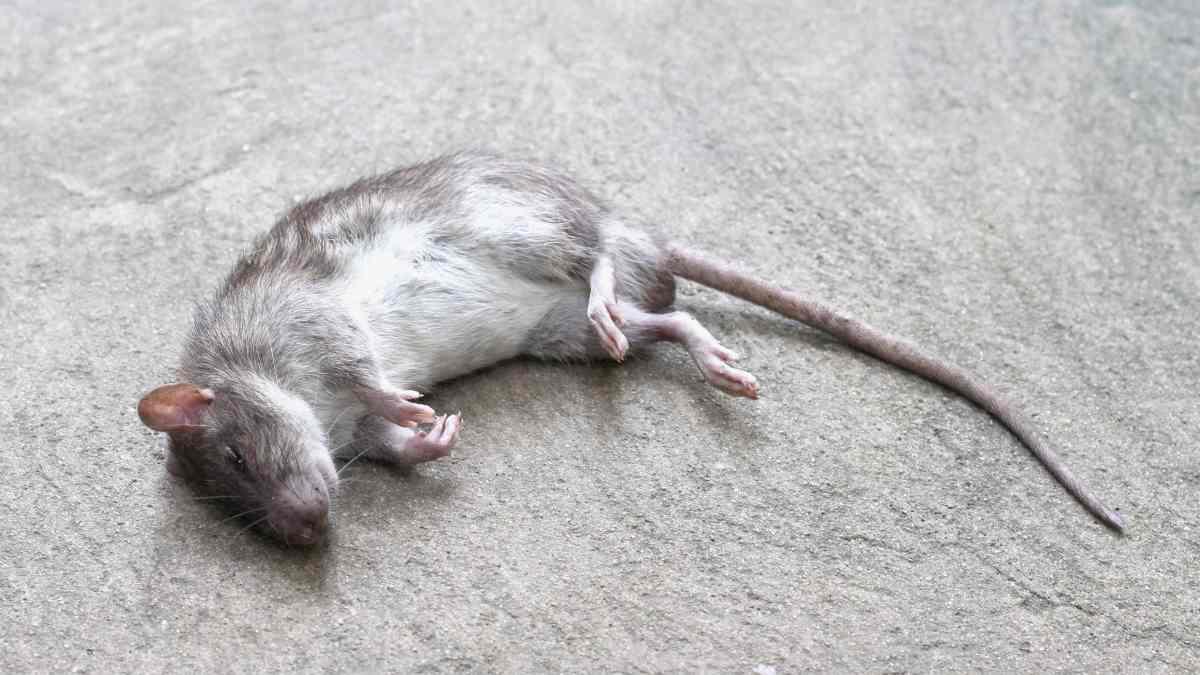
Finding a dead animal on your roof is one of those unpleasant situations that many Australian homeowners are wholly unprepared for. Whether it is a possum that has dragged itself to a resting spot, a rat that has succumbed to bait, or a bird that has fallen, the presence of a decomposing carcass above your living space is a health and property risk that demands prompt attention. For residents across Melbourne's leafy eastern suburbs, professional Dead Animal Removal Surrey Hills services are often the fastest and safest way to resolve the situation before the damage — and the smell — has a chance to escalate.
Why Animals End Up on Roofs
Before diving into what to do, it helps to understand why animals find their way onto roofs in the first place. Australian rooftops, particularly those surrounded by established trees and gardens, are attractive environments for a wide range of native and introduced wildlife.
Possums are perhaps the most common culprit. These nocturnal marsupials are extraordinarily agile climbers and routinely use rooftops as pathways between trees, as well as entry points into roof cavities. Rats and mice, too, are well-known roof dwellers — roof rats in particular are named for their preference for elevated environments. Birds such as pigeons, mynas, and even the occasional raptor may also end up on your roof, whether nesting, roosting, or simply passing through.
In many cases, animals that die on a roof have either been poisoned — by rodent baits placed by neighbouring properties or pest controllers — or have succumbed to illness, injury, or old age. During heatwaves, which are a regular feature of the Australian summer, dehydration and heat stress can also cause animals to collapse and die on exposed surfaces such as roofing tiles and metal sheeting.
Regardless of the cause, the result is the same: a carcass that needs to be dealt with quickly, carefully, and correctly.
The Immediate Risks of a Dead Animal on Your Roof
A dead animal on your roof may seem less immediately threatening than one inside your wall or ceiling, but the risks are just as real — and in some respects, more far-reaching.
Odour Penetration Even from the exterior of your home, the smell of a decomposing animal can permeate roof tiles, enter through ridge vents, and travel into ceiling cavities. Within 24 to 48 hours in warm weather, the odour can become noticeable inside your home, intensifying rapidly over the following days.
Attracting Scavengers and Secondary Pests A carcass on your roof acts as a beacon for scavengers. Foxes, feral cats, large birds, and other opportunistic wildlife may be drawn onto your roof, potentially causing tile damage, noise disturbances, and the spread of whatever disease or parasite the original animal was carrying.
Flies descend on decomposing matter almost immediately. In the Australian climate, a blowfly infestation can take hold within hours, with maggots present by the following day. These insects do not stay confined to the roof — they will find their way inside through any available gap.
Disease and Contamination Risk Decomposing animals carry and release a range of harmful bacteria including Salmonella, Leptospira, and various strains of E. coli. Rainwater that flows over a carcass on your roof can carry these pathogens into gutters, downpipes, and water tanks — a particularly serious concern for homes with rainwater harvesting systems.
Roof and Gutter Damage Decomposition fluids are corrosive. On metal roofing, these fluids can accelerate oxidation and rust. In gutters, a decomposing carcass combined with leaf debris and moisture creates a concentrated pool of bacteria and acidic fluid that can damage gutter lining and joints over time.
Step-by-Step: What to Do When You Find a Dead Animal on Your Roof
Handling this situation correctly from the outset minimises health risks and prevents secondary damage. Here is a practical, step-by-step approach.
Step 1 — Do Not Attempt to Climb the Roof Yourself Roof access is dangerous, particularly for those without the proper footwear, equipment, or experience. Beyond the risk of falling, approaching a decomposing animal without protective gear exposes you directly to bacteria, parasites, and decomposition fluids. This is not a DIY situation.
Step 2 — Observe and Document From a Safe Distance If the animal is visible from the ground or an upper-storey window, note its approximate location on the roof. This information is useful when briefing a professional removal service, as it allows them to plan access and bring the right equipment.
Step 3 — Restrict Roof-Level Access Points Inside Your Home Check your manhole and roof cavity access points and ensure they are properly sealed to prevent flies, parasites, or odour from entering your living space while you wait for professional assistance.
Step 4 — Avoid Using Your Rainwater Tank If your home uses a rainwater harvesting system, switch to your mains supply until the carcass has been removed and your gutters and roof surface have been cleaned and disinfected.
Step 5 — Contact a Licensed Professional Immediately The safest and most effective course of action is always to engage a licensed pest and animal removal professional. They will access your roof safely, remove the carcass using appropriate protective equipment, and treat the affected area with disinfectant to neutralise bacterial contamination.
What Professional Removal Involves
A reputable pest and animal removal service will do considerably more than simply pick up the carcass and leave. A thorough job involves several interconnected steps that address not only the immediate problem but also the conditions that allowed it to occur.
The technician will begin with a safe roof inspection, assessing the full extent of the situation — including whether the animal has been partially consumed by scavengers, whether there are additional carcasses, or whether the animal appears to have originated from inside the roof cavity.
Following removal, the area is cleaned and treated with a hospital-grade disinfectant and deodoriser designed specifically for biological contamination. Gutters are checked and cleared of any decomposition residue. If the animal appears to be a protected native species — which is not uncommon in suburban Melbourne — disposal is handled in compliance with Victorian wildlife regulations.
The technician will also inspect accessible areas of the roof cavity for signs of broader infestation activity, and provide recommendations for sealing entry points and preventing recurrence.
For households across Melbourne who are serious about maintaining a safe and pest-free home environment, working with a reliable Pest Control Melbourne professional is not just a reactive measure — it is an investment in long-term property health and family wellbeing.
Special Considerations for Native Wildlife
Australia's unique wildlife laws mean that not every dead animal on your roof can be handled in the same way. Possums, in particular, are protected under the Wildlife Act 1975 in Victoria, and even a deceased possum must be handled and disposed of in accordance with relevant legislation.
Attempting to dispose of a protected species incorrectly — even with the best intentions — can result in a fine or legal complication. Professional removal services are well-versed in these requirements and ensure that native wildlife is handled respectfully and lawfully, which is another compelling reason to avoid the DIY approach.
Preventing Future Incidents
Once the immediate situation has been resolved, turning your attention to prevention is the most productive next step. Rooftop animal incidents are rarely isolated events — if one animal has accessed your roof, others will too, unless the conditions that enabled it are addressed.
Trim Overhanging Branches Trees that hang over or brush against your roof provide a natural highway for possums, rats, and other climbing animals. Keeping branches trimmed back at least two metres from your roofline significantly reduces access.
Install Possum-Proof Barriers Metal collars or smooth plastic sheeting wrapped around tree trunks and downpipes make it considerably more difficult for possums and rodents to climb onto your roof.
Seal Roof Cavity Entry Points Gaps in eaves, broken roof tiles, and unsealed vents are open invitations. Have these inspected and repaired annually, particularly before the cooler months when wildlife is more actively seeking shelter.
Check Your Roof After Storms Severe weather can dislodge tiles and create new entry points or exposed surfaces. A post-storm roof inspection is a simple habit that can prevent a range of problems, including dead animal incidents.
Address Any Existing Rodent Activity If you have noticed signs of rodents in your roof space — droppings, gnaw marks, or nocturnal scratching sounds — address the problem comprehensively and promptly. Rodents that are baited and die in inaccessible locations, including on rooftops, are a direct consequence of unmanaged infestations.
Final Thoughts
A dead animal on your roof is not a problem that resolves itself. Left unaddressed, it becomes a health hazard, a pest magnet, a source of structural damage, and an ongoing source of odour that can make your home genuinely unpleasant to live in. The good news is that with the right professional help, the situation can be resolved quickly, safely, and thoroughly.
Act promptly, leave the roof access to the professionals, and take the time afterwards to address the vulnerabilities that allowed the problem to occur. Your home — and everyone in it — will be better for it.

 English
 Arabic
 French
 Spanish
 Portuguese
 Deutsch
 Turkish
 Dutch
Dutch
 Italiano
 Russian
 Portuguese (Brazil)
 Greek
Greek