


How to Troubleshoot Common Home Electrical Problems
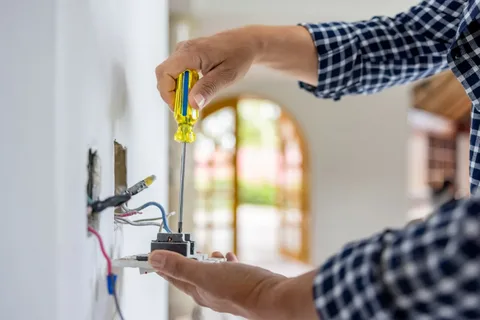
Home electrical problems cause frustration and worry. Some issues are minor and easy to address. Others signal deeper problems requiring professional attention. Knowing how to respond safely is essential knowledge. Troubleshooting electrical issues requires systematic thinking. This guide covers the most common problems homeowners face.
Safety First: Know When to Stop
Safety must always be the first consideration. Not every electrical problem should be investigated by homeowners. High-voltage work inside panels is extremely dangerous. Wiring inside walls should be handled by licensed professionals. Your first priority is always personal safety. When uncertain, stop immediately and call a professional.
When to Call a Professional Immediately
Some situations require immediate professional intervention. If you smell burning from an outlet or panel, call now. If breakers trip repeatedly and immediately, professional help is needed. Visible sparking inside a panel is a serious emergency. Any shock received from an outlet warrants urgent attention. These scenarios exceed safe homeowner troubleshooting boundaries.
Tools Needed for Basic Troubleshooting
Basic troubleshooting requires a few simple tools. A non-contact voltage tester is essential for safety. An outlet tester identifies wiring faults easily. A flashlight helps you see inside dark electrical spaces. A circuit directory helps you identify which breaker controls what. These tools cost little but provide significant diagnostic value.
Troubleshooting Tripped Circuit Breakers
Tripped breakers are the most common home electrical problem. Most homeowners encounter them regularly. Understanding why they trip helps prevent recurrence. Not all trips are the same in terms of cause. A single trip might be normal overload behavior. Repeated trips signal a more serious underlying issue.
How to Reset a Tripped Breaker Safely
First, turn off or unplug devices on the affected circuit. Go to your main electrical panel and open the door. Find the breaker in the middle position between on and off. Push it firmly to the off position first. Then push it firmly back to the on position. If it trips again immediately, do not reset it again.
Identifying an Overloaded Circuit
Overloaded circuits trip when demand exceeds rated capacity. Think about what was running when the breaker tripped. Multiple high-draw appliances on one circuit cause overloads. Move some devices to different circuits to redistribute load. If the same circuit repeatedly overloads, it may need upgrading. A licensed professional can add capacity safely and to code.
Recognizing a Short Circuit or Ground Fault
A short circuit produces a loud pop and immediate trip. It occurs when hot wires contact neutral or ground wires. A ground fault occurs when current finds an unintended path. Both scenarios require professional diagnosis and repair. Do not attempt to investigate shorts or ground faults yourself. The cause must be corrected before restoring power to the circuit.
Addressing Dead Outlets
Dead outlets are disruptive but often easily resolved. Several causes can result in a non-working outlet. Work through potential causes systematically and safely. Most dead outlets can be restored without professional help. However, some findings require professional follow-up. Never ignore a dead outlet without investigating the cause.
Check the Connected GFCI Outlet First
Many outlets share protection with a nearby GFCI outlet. If the GFCI tripped, all downstream outlets lose power. Find the GFCI outlet, which may be in a different room. Press the reset button firmly and check if power is restored. Bathroom GFCIs often protect kitchen or garage outlets nearby. This single step resolves many apparent dead outlet situations.
Check the Breaker for the Affected Circuit
Verify that the circuit breaker for the affected outlet is on. A breaker in the middle position has tripped. Reset it as described in the previous section. If resetting restores the outlet, monitor for repeat trips. Repeated tripping after reset indicates an overloaded or faulty circuit. At this point, professional evaluation is the appropriate next step.
Solving Flickering Lights
Flickering lights are annoying and potentially dangerous. They indicate a connection problem somewhere in the system. The cause may be minor or it may be serious. Systematic troubleshooting helps narrow down the source. Never ignore persistent flickering as simply a quirk. It often signals an issue that will worsen over time.
Start With the Bulb and Fixture Itself
The simplest cause of flickering is a loose bulb. Turn off the switch and check that the bulb is fully seated. For LED bulbs, verify compatibility with your dimmer switch. Some LEDs flicker with older dimmer technology. Try replacing the bulb with a known-good one first. If flickering stops, the issue was the bulb itself.
Investigate Loose Wiring Connections
If replacing the bulb does not help, wiring may be loose. A loose neutral wire is a common cause of flickering. Loose connections create resistance and inconsistent current flow. This troubleshooting step requires turning off the circuit breaker. Remove the light switch or outlet cover carefully. Check connections for tightness and call a residential electrician if needed.
Dealing With High Electricity Bills
Unexpectedly high electricity bills often point to electrical issues. While usage habits matter, wiring problems also contribute. Certain electrical faults cause continuous energy waste. Investigating your system can reveal money-saving opportunities. Addressing these issues reduces bills and improves safety simultaneously.
Check for Devices Left on Unintentionally
Review your home for devices running unnecessarily. Old appliances draw more power than modern efficient models. Phantom loads from electronics in standby mode accumulate. Use a smart power strip to eliminate phantom loads. An energy monitor plugged into outlets reveals which devices are costly. Behavioral changes alone can sometimes reduce bills significantly.
Investigate Possible Wiring Issues
Faulty wiring can cause continuous partial shorts. These partial faults waste energy without tripping breakers. Voltage drop from poor connections also wastes electricity. A professional energy audit can reveal hidden electrical inefficiencies. Correcting wiring faults often delivers measurable bill reductions. Combining efficiency measures with wiring repairs maximizes savings.
Resolving Hot Outlets and Switches
A warm outlet or switch cover is a warning sign. Outlets should not produce noticeable heat during normal operation. Heat indicates resistance in connections or wiring. Resistance creates heat, which accelerates deterioration rapidly. Do not ignore warm outlets under any circumstances. They represent a potential fire hazard that requires attention.
Turn Off the Circuit and Inspect Carefully
Turn off the affected circuit at the breaker panel. Remove the outlet or switch cover plate carefully. Inspect visible wiring connections for discoloration or melting. Scorch marks inside the box confirm overheating has occurred. If you see any of these signs, stop and call a professional. Do not restore power until the issue has been professionally assessed.
Conclusion
Troubleshooting common home electrical problems is manageable with knowledge. Start with the simplest explanations and work methodically. Use proper safety tools and never exceed your skill level. Many common issues like tripped breakers or dead outlets are easily resolved. However, persistent or complex problems always warrant professional evaluation. Protecting your home and family means knowing when to ask for help.

 English
 Arabic
 French
 Spanish
 Portuguese
 Turkish
 Dutch
Dutch
 Italiano
 Russian
 Romaian
 Portuguese (Brazil)
 Greek
Greek