


How Psychiatrists Work With Psychologists and Counselors
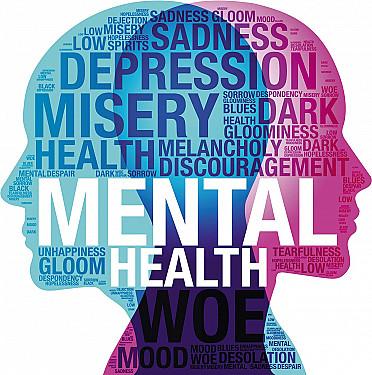
Mental health care has evolved into a collaborative and patient-centered field. Today, individuals experiencing emotional, psychological, or behavioral challenges often receive care from a team of professionals rather than a single provider. Among the most important collaborations in mental health treatment is the partnership between psychiatrists, psychologists, and counselors. Each professional brings specialized expertise, and together they create a comprehensive support system that addresses both the medical and emotional aspects of mental well-being.
Understanding how these professionals work together can help patients feel more confident about seeking mental health care and knowing what to expect from a multidisciplinary approach.
Understanding the Roles in Mental Health Care
To appreciate how collaboration works, it is important to understand the distinct roles each professional plays.
Psychiatrists are medical doctors who specialize in mental health. Because of their medical training, they can diagnose mental health disorders, prescribe medications, and assess how mental conditions interact with physical health issues.
Psychologists typically hold advanced degrees in psychology and focus on assessing behavior, emotions, and thought patterns. They use evidence-based therapies, psychological testing, and counseling techniques to help individuals understand and manage their mental health challenges.
Counselors, which may include clinical counselors, mental health counselors, or therapists, focus on talk therapy and emotional support. They help individuals cope with stress, relationship problems, trauma, life transitions, and day-to-day emotional struggles.
While their roles differ, their goals are aligned: improving mental health, emotional stability, and overall quality of life.
The Importance of a Collaborative Approach
Mental health conditions are rarely one-dimensional. Disorders such as depression, anxiety, bipolar disorder, or post-traumatic stress disorder often involve a combination of biological, psychological, and social factors. A collaborative approach ensures that all these dimensions are addressed.
Psychiatrists, psychologists, and counselors work together to create treatment plans that combine medical care with therapeutic support. This teamwork helps reduce gaps in care, improves treatment outcomes, and ensures that patients receive well-rounded support rather than isolated interventions.
Coordinated Diagnosis and Treatment Planning
Collaboration often begins during the diagnostic phase. Psychiatrists may conduct medical evaluations to rule out physical conditions or neurological factors that contribute to mental symptoms. Psychologists may perform detailed psychological assessments or testing to understand better cognitive patterns, emotional functioning, and behavioral triggers.
By sharing findings, these professionals can arrive at a more accurate diagnosis. Once a diagnosis is established, they jointly develop a treatment plan. This plan may include medication prescribed by the psychiatrist, psychotherapy sessions led by a psychologist, and ongoing counseling support to help the patient apply coping strategies in daily life.
Medication Management and Therapeutic Support
One of the most important areas of collaboration is medication management. Psychiatrists prescribe and monitor medications such as antidepressants, mood stabilizers, or antipsychotics. However, medication alone is often not enough.
Psychologists and counselors play a critical role in monitoring how patients respond emotionally and behaviorally to medication. They may notice changes in mood, motivation, or side effects during therapy sessions and share these observations with the psychiatrist. This feedback allows for timely adjustments to medication, ensuring safer and more effective treatment.
Ongoing Communication and Progress Monitoring
Effective collaboration depends on clear and consistent communication. Mental health professionals regularly share progress updates, treatment notes, and observations while respecting patient confidentiality.
For example, if a counselor notices that a patient is struggling with increased anxiety or emotional distress, they may inform the psychiatrist, who can evaluate whether medication changes or additional assessments are needed. Similarly, psychologists may adjust therapeutic techniques based on insights from the psychiatrist about diagnosis or medical factors.
This ongoing exchange ensures that treatment evolves as the patient’s needs change.
Supporting Different Levels of Care
Collaboration becomes especially important for patients with complex or severe mental health conditions. Some individuals may need short-term counseling for situational stress, while others require long-term therapy combined with medication.
In more serious cases, psychiatrists may coordinate care during hospitalizations or crises, while psychologists and counselors help patients transition back to daily life through therapy and emotional support. This continuity of care reduces relapse risks and helps patients maintain stability over time.
Benefits for Patients and Families
When psychiatrists, psychologists, and counselors work together, patients benefit from a more complete understanding of their mental health. They receive consistent messages, aligned treatment goals, and a supportive network of professionals who are aware of their progress.
Families also benefit from this approach, as coordinated care often includes guidance on communication, support strategies, and expectations during recovery. This team-based model reduces confusion and builds trust in the treatment process.
Conclusion
The collaboration between psychiatrists, psychologists, and counselors represents a modern and practical approach to mental health care. By combining medical expertise, psychological insight, and therapeutic support, these professionals address the full spectrum of mental well-being. This integrated model ensures accurate diagnosis, personalized treatment, and continuous support for individuals navigating mental health challenges. Platforms like Instacare.pk play an essential role in helping patients connect with qualified psychiatrist in Karachi, making it easier to access coordinated and compassionate care when it is needed most.


 English
 Arabic
 French
 Spanish
 Portuguese
 Deutsch
 Turkish
 Italiano
 Russian
 Romaian
 Portuguese (Brazil)
 Greek
Greek